
Hair Color for Indian Weather: How to Maintain Colour All Year
India experiences different weather conditions throughout the year. Hot summers, humid monsoons, strong sunlight and dry winters can all affect the appearance and feel of...


Category:Hair Color
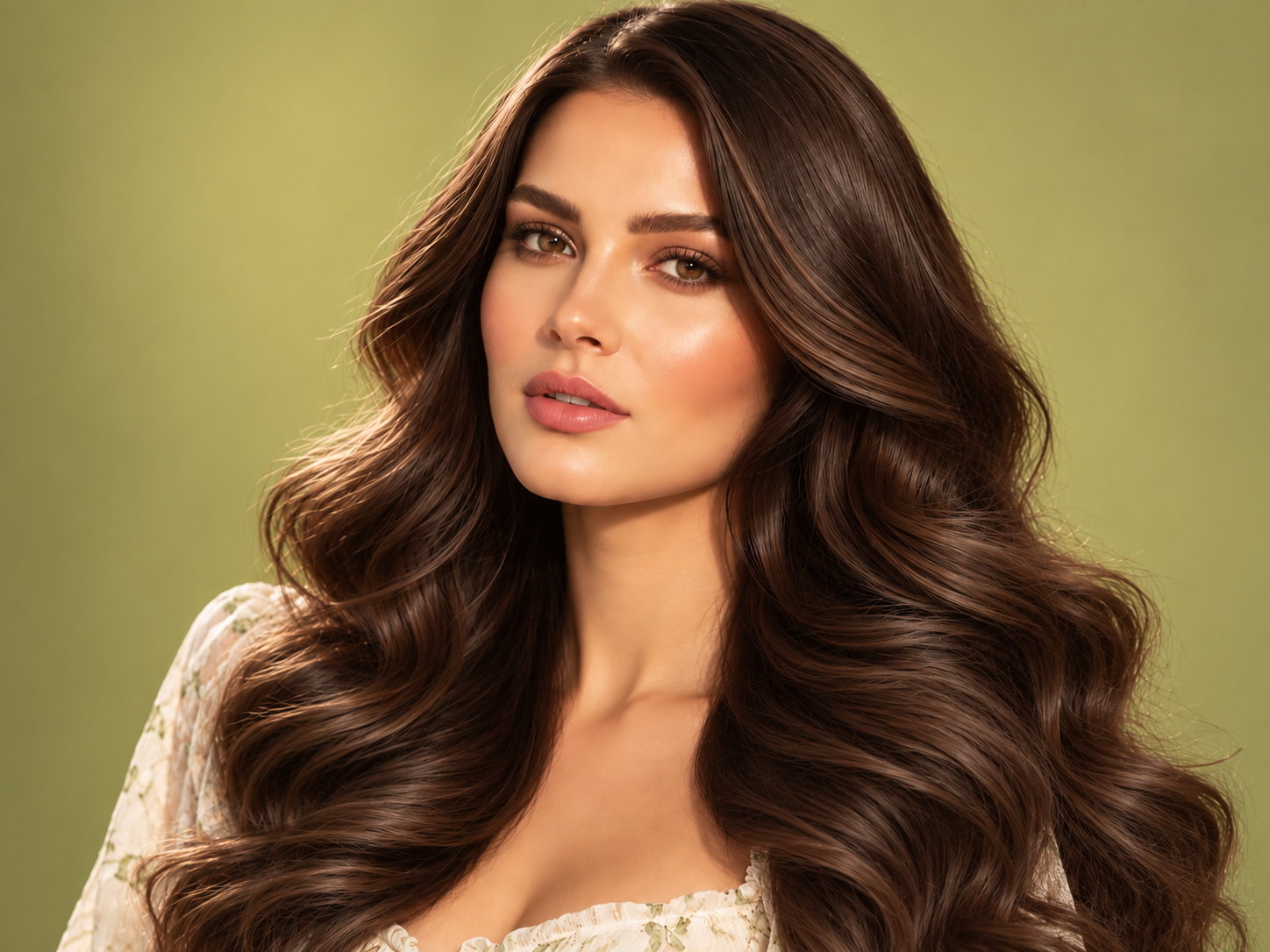
Sunlight can have a noticeable effect on coloured hair, especially when the hair is exposed to strong UV rays for long periods. Regular sun exposure may gradually reduce colour vibrancy, making the shade appear dull or faded. Heat and UV exposure can also contribute to dryness, roughness and loss of shine, which can make coloured hair look less healthy.
Protecting coloured hair from excessive sunlight is an important part of maintaining a fresh-looking shade. Wearing a hat or scarf outdoors, using nourishing hair care products, conditioning regularly and limiting excessive heat styling can help keep hair soft and manageable. With simple hair color care habits, you can support longer-lasting colour, shine and smoothness.
Hair colour can transform your overall appearance, add shine and help you achieve a fresh new look. However, keeping coloured hair looking fresh requires more than choosing the right shade. Everyday exposure to sunlight can affect the appearance and condition of coloured hair.
UV rays, heat and prolonged outdoor exposure can make hair feel dry and cause the colour to gradually lose its vibrancy. This is especially noticeable when you spend several hours outdoors without covering or protecting your hair.
Understanding the connection between hair colour and sun exposure can help you build a simple routine that protects your strands and keeps your chosen shade looking beautiful for longer.
Sunlight contains ultraviolet (UV) radiation that can affect the hair shaft. Coloured hair may already need extra care because the colouring process can change the hair’s structure and moisture balance.
Regular and prolonged sun exposure may contribute to:
The effect can become more noticeable during summer, holidays, beach trips and outdoor activities when hair is exposed to sunlight for several hours.
Colour molecules in the hair can gradually break down when exposed to environmental factors, including sunlight. As the colour loses intensity, your hair may appear lighter or less vibrant than it did immediately after colouring.
Bright shades such as red, burgundy and copper can be particularly noticeable when their vibrancy begins to change. Brown and blonde shades can also lose their fresh appearance over time.
This does not mean you need to avoid sunlight completely. Instead, simple protective habits can help reduce unnecessary exposure and support better colour maintenance.
Knowing the early signs can help you adjust your hair care routine before the hair becomes excessively dry or dull.
One of the first signs is a loss of brightness. The shade may still be visible, but it may not look as rich or fresh as it did after colouring.
Sun and heat can contribute to moisture loss, leaving coloured hair feeling less soft. Dryness may become more noticeable toward the mid-lengths and ends.
When hair becomes dry, the outer surface can appear rougher. This may make frizz more noticeable, especially in humid weather.
Healthy-looking hair usually reflects light well. When coloured hair becomes dry or weathered, it can appear less glossy.
Protecting coloured hair does not have to involve a complicated routine. A few consistent habits can make everyday care easier.
If you are going to spend several hours outside, use a hat, scarf or other suitable covering. This creates a physical barrier between your hair and direct sunlight.
A wide-brimmed hat can be especially useful during outdoor activities because it can provide additional coverage while completing your overall look.
Hair colour benefits from regular cleansing and conditioning. Choose products that help maintain softness and moisture without making the hair feel heavy.
A nourishing routine can include shampoo, conditioner, hair mask and a suitable serum depending on your hair type and needs.
Sun exposure is not the only source of heat that can affect the appearance of coloured hair. Frequent use of straighteners, curling irons and hot blow-drying can also leave hair feeling dry.
Try to reduce unnecessary heat styling, particularly when your hair is already exposed to strong sunlight.
The lengths and ends often need additional moisture because they are older parts of the hair. Apply conditioner mainly through the lengths and ends after shampooing.
For additional care, a nourishing hair treatment can be included once or twice a week according to your hair’s condition.
Beach holidays and outdoor trips can mean increased exposure to sunlight. Before spending long periods outdoors, plan simple protection such as a hat or scarf.
After returning, gently cleanse your hair and follow with conditioner. Avoid aggressive brushing when the hair is wet, as wet strands can be more prone to breakage.
Choosing a suitable colouring product is an important part of maintaining a healthy-looking appearance. Look for formulas designed to provide colour along with conditioning or nourishing benefits.
Crème Hair Color is available in multiple shades and is formulated with sunflower, avocado and henna extracts. The product information also highlights nourishment, shine and long-lasting colour.
Selecting a shade that suits your natural hair and maintaining it with a consistent care routine can help you enjoy a polished look between colour applications.
If your hair spends a lot of time outdoors, keep these simple tips in your routine:
If your hair feels dry after colouring or frequent outdoor exposure, adding a targeted hair-care product can help support a softer feel. You can also browse the hair colour range to compare available shades and colouring options.
Yes, the visible effect can vary depending on the shade, hair condition and amount of sun exposure.
Black and dark brown shades may gradually appear less intense when exposed to strong sunlight for long periods. Dryness can also make dark hair look less glossy.
Brown shades can lose some of their richness over time. Consistent conditioning and protection can help maintain a smoother and more polished appearance.
These shades can show changes in vibrancy more visibly. Protecting the hair from prolonged sunlight is particularly useful if you want to maintain a vibrant-looking result.
Blonde hair can also become dry and appear dull after frequent exposure to sun and heat. Regular conditioning is important for maintaining softness and shine.
A simple routine can make coloured hair easier to manage:
Morning:
Cover your hair if you expect prolonged outdoor exposure. Avoid unnecessary heat styling before going outside.
After Outdoor Activities:
Gently cleanse your hair when needed and use a conditioner to maintain softness.
Weekly:
Use a nourishing hair mask to give dry lengths and ends additional care.
During Colour Maintenance:
Follow the recommended application and aftercare instructions for your chosen product. A shade such as Chocolate Brown Crème Hair Color can provide a rich colour option while the formula includes sunflower, avocado and henna extracts.
Some everyday habits may make coloured hair look dry or faded faster.
Long periods outdoors without covering the hair can increase exposure. A hat or scarf is a simple way to reduce direct sunlight.
Combining strong sunlight with frequent hot styling can make dry hair feel even rougher.
Skipping conditioning regularly can leave coloured hair feeling less soft and manageable.
Frequent washing may contribute to faster loss of colour depending on the product, water temperature and hair condition. Follow a washing schedule that works for your scalp and hair type.
Dry ends can make the overall colour look less polished. Give the lengths and ends extra conditioning when needed.
Prolonged sunlight exposure can contribute to colour fading and may make coloured hair appear less vibrant over time. Protecting the hair and following a consistent care routine can help maintain its appearance.
Cover your hair with a hat or scarf during prolonged outdoor exposure, maintain regular conditioning and reduce unnecessary heat styling.
Sun exposure can contribute to dryness, particularly when hair is already chemically treated or exposed to frequent heat styling. Conditioning and nourishing treatments can help maintain softness.
The visible change depends on the shade, hair condition and exposure. Vibrant shades such as red, copper and burgundy may show changes in intensity more noticeably.
Yes. Hair can be coloured during summer, but it is important to follow proper aftercare and protect it from prolonged sunlight. Maintaining moisture and reducing unnecessary heat exposure can help coloured hair look fresh.
Sun exposure is a normal part of everyday life, but prolonged exposure can affect the appearance and feel of coloured hair. Simple habits such as covering your hair, conditioning regularly, reducing excessive heat and maintaining a nourishing routine can help support colour vibrancy and healthier-looking strands.
Sun exposure can gradually affect coloured hair by reducing vibrancy, increasing dryness and making the hair look dull. While occasional sunlight is not a reason to avoid outdoor activities, prolonged exposure without protection can make maintaining your desired shade more challenging.
Simple habits can make a difference. Cover your hair during long hours outdoors, use nourishing hair care products, condition regularly and reduce excessive heat styling. With consistent care and the right protection, you can help maintain the colour, softness and shine of your hair for longer.
India experiences different weather conditions throughout the year. Hot summers, humid monsoons, strong sunlight and dry winters can all affect the appearance and feel of...
Your wedding is a special occasion, and every detail of your look matters, including your hair. Whether you want to cover grey hair, refresh your...
Winter can be challenging for coloured hair because cold, dry air can reduce moisture and make the strands feel rough, dull and frizzy. Frequent use...