
Salon Professional Hair Color Products: Complete Guide
Choosing the right hair color product is important for achieving even coverage, rich-looking shades, and a polished finish. Professional coloring products are designed to make...


Category:Hair Color
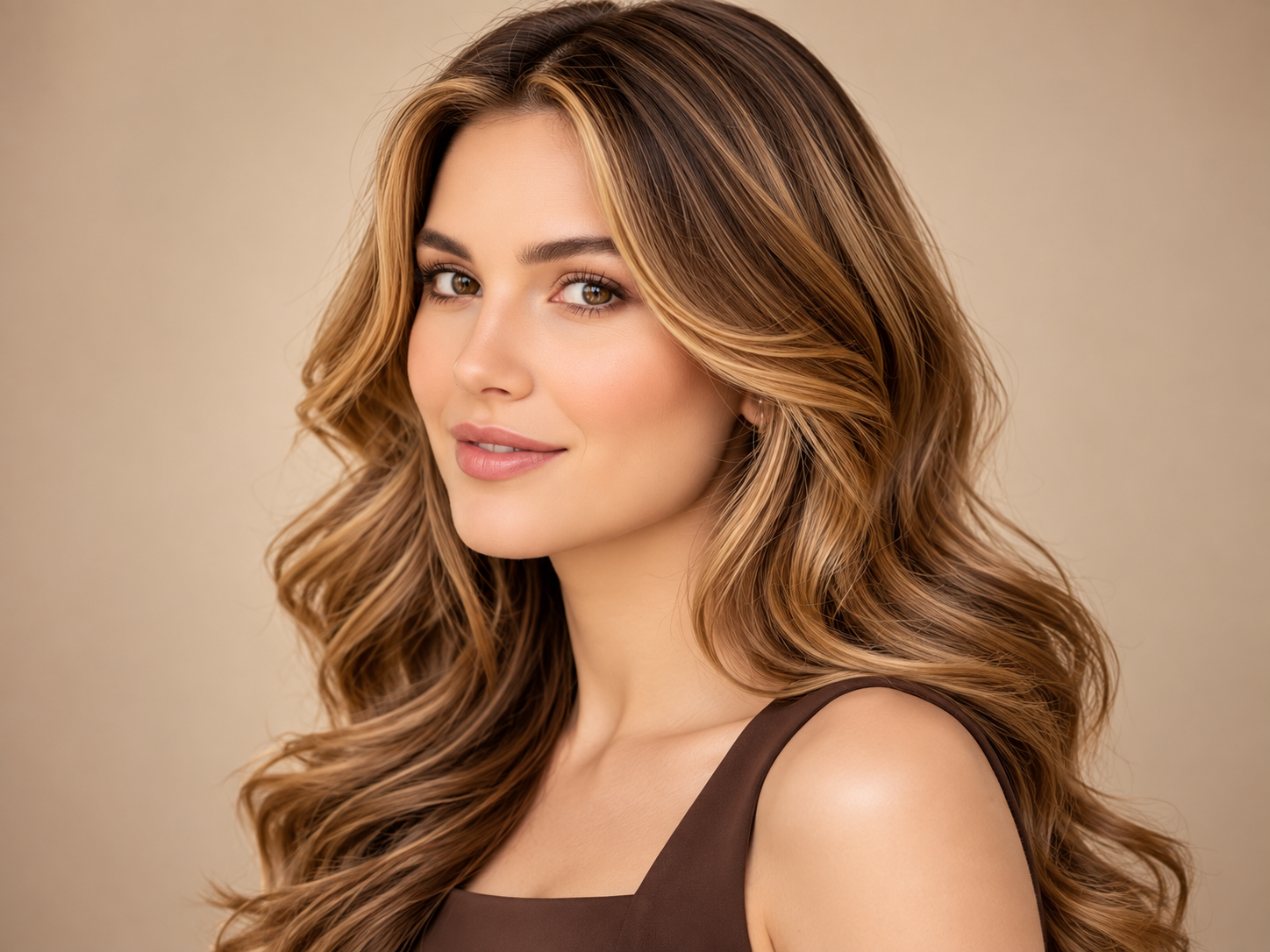
Choosing a new hair color can completely refresh your appearance, but with so many shades and different types of hair color available, finding the right one can feel confusing.
Should you choose Natural Black or Dark Brown? Would Chocolate Brown look more natural? Should you use crème hair color, shampoo-based color or a henna-based option?
The best hair color is not simply the most popular shade. It is one that suits your natural hair color, grey coverage requirement, skin undertone, lifestyle and desired result.
Here is a practical guide to making the right choice.
Before looking at shades, decide why you want to color your hair.
Your objective might be:
Someone covering greys has different requirements from someone coloring their hair purely for fashion.
If grey coverage is your main concern, prioritize a product specifically designed to provide reliable grey coverage.
2. Consider Your Natural Hair Color
Your existing hair color has a major influence on the final result.
If your natural hair is very dark, Natural Black, Dark Brown and Natural Brown generally create subtler transformations.
Chocolate Brown can provide a richer brown appearance, while Burgundy and Mahogany offer more noticeable color.
Very light shades can behave differently on naturally dark hair, so don’t assume that your result will look exactly like the shade shown on a pack.
3. Consider How Much Grey Hair You Have
The percentage and distribution of grey hair matter.
If you have only a few scattered greys, you may simply want them to blend with your natural color.
If you have substantial grey growth, particularly around the hairline and temples, complete and even coverage becomes more important.
Nisha Crème Hair Color, for example, is formulated for 100% grey coverage from roots to tips according to its official product information. The range is available across multiple shades and is suitable for both men and women.
Natural Black is suitable when you want to maintain a deep, classic hair color or cover greys while staying close to naturally black hair.
Dark Brown offers a softer alternative to intense black and can provide a subtle transformation.
Natural Brown is a versatile option for consumers who want visible brown tones without moving too far from naturally dark hair.
Chocolate Brown creates a richer and more noticeable brown result. Nisha Crème Hair Color includes a Chocolate Brown 3.5 option within its range.
These shades work well when you want your hair color to become a more visible part of your overall look.
Lighter browns and blonde families can create a greater transformation, but the final result depends considerably on your starting hair color.
5. Consider Your Skin Undertone
Your skin undertone can provide useful guidance when selecting hair color, although it should never become a rigid rule.
Warm undertones can work beautifully with rich browns and golden tones.
Neutral undertones provide considerable flexibility.
Burgundy, Mahogany and deeper browns can create stronger contrast.
Ultimately, the right shade is one you feel confident wearing.
Modern hair color is available in several formats.
Crème hair color provides controlled application and is particularly useful when you want even distribution from roots to lengths.
Shampoo-based hair color is designed around convenience and can suit people who want a straightforward coloring routine.
Henna-based hair color offers another approach for consumers who prefer henna as part of their coloring routine.
Yuthika Natural’s current hair-color portfolio includes crème, shampoo-based and henna-based options across brands such as Nisha and Neeta.
A good hair-color experience isn’t only about changing the shade.
Look at the overall product proposition, including:
Nisha Crème Hair Color is formulated with Sunflower, Avocado and Henna extracts and is positioned around color, grey coverage, softness and shine.
8. Think About Maintenance
The bigger the difference between your natural hair and your new color, the more noticeable regrowth can become.
If low maintenance is important, staying relatively close to your natural shade can make upkeep easier.
Natural Black, Dark Brown and Natural Brown are therefore practical choices for many Indian consumers primarily concerned with grey coverage.
9. Never Skip the Allergy Test
Choosing the right shade is important, but safety comes first.
Always follow the allergy-test directions and safety instructions supplied with your hair-color product.
Do this even if you have colored your hair previously.
If you want a classic natural appearance, consider Natural Black.
If you want a softer dark shade, consider Dark Brown.
If you want a natural brown transformation, consider Natural Brown.
If you want a richer brown, consider Chocolate Brown.
If you want a more noticeable transformation, explore Burgundy, Mahogany, Golden Brown or other expressive shades.
If you prioritize grey coverage, select a product specifically formulated for that requirement.
Learning how to choose the best hair color becomes much easier once you stop looking for one universal “best” shade.
Start with your natural hair color. Consider how much grey you have. Decide how visible you want the change to be. Then select the appropriate shade and application format.
Nisha and Neeta offer different hair-color options within the Yuthika Natural portfolio, including crème and henna-based solutions, allowing consumers to select a product according to their individual coloring requirements.
The best hair color is ultimately the one that complements your natural features, provides the result you need and fits comfortably into your lifestyle.
Consider your natural hair color, skin undertone, percentage of grey hair and how noticeable you want the transformation to be.
For naturally dark Indian hair, Natural Black, Dark Brown and Natural Brown can provide relatively subtle results.
Choose a product specifically formulated for grey coverage and select a shade that blends appropriately with your remaining natural hair.
Neither is universally better. Natural Black provides greater depth, while Dark Brown can produce a softer appearance.
Some products are specifically designed for both. Nisha Crème Hair Color, for example, is described by the manufacturer as suitable for both men and women.
Choosing the right hair color product is important for achieving even coverage, rich-looking shades, and a polished finish. Professional coloring products are designed to make...
Grey hair is a natural part of ageing, but many people prefer to maintain a consistent, polished hair look. Choosing the right hair color for...
Grey hair is a natural part of aging, but many people prefer to cover it for a more even and refreshed appearance. Choosing the right...