
Best Herbal Hair Color for Grey Hair: A Simple Guide
Grey hair is a natural part of ageing, but many people prefer to cover grey strands while keeping their hair looking soft, shiny, and healthy....


Category:Hair Color
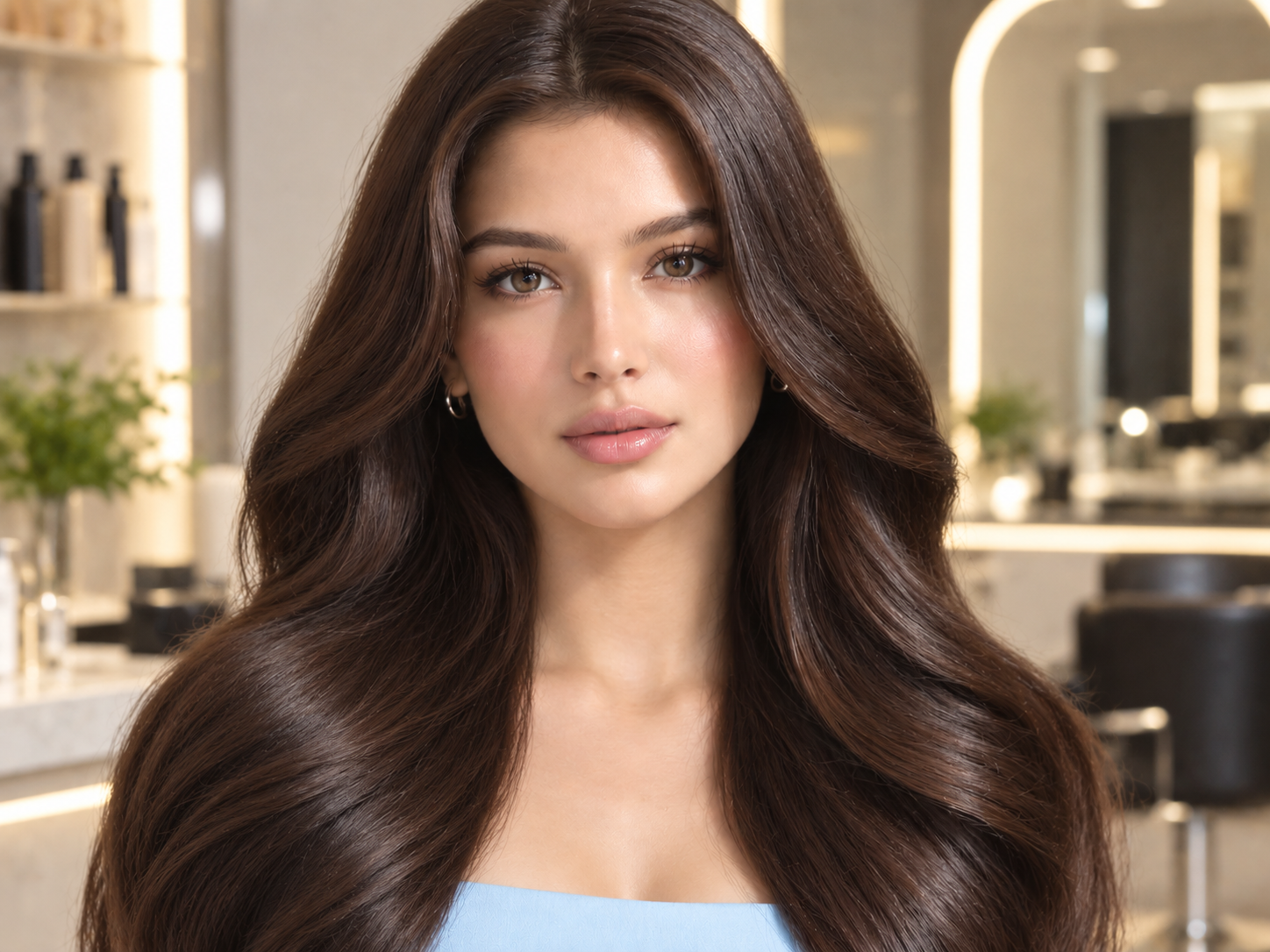
Hair color coverage does not always look the same across the entire head. Some areas may appear darker, while grey strands, roots, hairline, or resistant sections may show less color. This can happen because different parts of the hair have different textures, thicknesses, porosity, and levels of previous chemical treatment.
Understanding why uneven coverage happens can help you choose the right product, prepare your hair properly, and apply color more carefully. With the right technique, it is possible to achieve a more even and natural-looking result.
One of the main reasons for uneven hair color is that every section of the hair may react differently to the coloring formula.
Grey strands often have a different texture from naturally pigmented hair. Some grey hair can be coarse and resistant, making it harder for color to penetrate evenly.
Areas with a higher percentage of grey hair may therefore require more careful application. The roots, temples, and hairline can be particularly noticeable if the color is not distributed properly.
For dependable grey coverage, products such as Nisha Crème Hair Color are designed for even application and grey coverage. The product range includes multiple shades for different coloring needs.
Fine, thick, curly, straight, coarse, and damaged hair can absorb color differently.
Porous hair may absorb color quickly, while resistant hair may take longer to accept the color. This is one reason why the lengths and roots can sometimes look different after coloring.
Before applying hair color, consider the condition and texture of each section rather than treating the entire head as if every strand is identical.
New hair growth near the scalp has not experienced the same amount of styling, washing, sun exposure, or previous coloring as the lengths.
The lengths may already contain previous color, while the roots may be natural or grey. Because of these differences, the same shade can appear slightly different on each section.
For regular coloring, applying the product systematically can help prevent missed areas and inconsistent coverage.
Certain parts of the head commonly show uneven color coverage.
The hair around the face can be finer, shorter, or more resistant. It can also be easy to miss during application.
Apply enough product to fully coat these areas without applying excessive amounts.
The crown and visible parting are often exposed to sunlight and washing. These areas can make uneven color more noticeable.
Use a mirror or ask someone to check the back and crown so that no sections are accidentally missed.
Grey roots can be more noticeable because they contrast strongly with colored lengths. Proper sectioning and thorough application are especially important when grey coverage is the main goal.
The Dark Brown Crème Hair Color option, is specifically presented as providing 100% grey coverage from roots to tips when used as directed.
A few simple steps can make the coloring process more controlled.
Start by selecting a shade suitable for your natural hair, existing color, and desired result.
If the goal is grey coverage, consider shades designed to provide reliable coverage rather than choosing a color only because it looks attractive on the package.
A shade such as Natural Brown Crème Hair Color can be considered when a natural-looking brown result is desired. The product information states that it provides grey coverage from roots to tips.
Do not apply color randomly across the head.
Divide the hair into four or more manageable sections. Secure each section separately. This makes it easier to see where the product has already been applied and reduces the chance of missing small areas.
If grey roots or resistant sections are your main concern, pay close attention to these areas during application.
Use a color brush to apply the product close to the roots and work through each section carefully.
Uneven application can happen when some sections receive too little product.
Make sure each strand is properly coated according to the product instructions. Avoid applying an unnecessarily thick layer, but do not leave sections partially covered.
Processing time matters. Leaving color on for less time than recommended may affect the final result.
Always follow the instructions supplied with your selected product. The product instructions for Crème Hair Color specify mixing the crème and developer, applying it to washed and dried hair, leaving it for the recommended time, and conditioning afterward.
After processing, rinse the hair thoroughly according to the product instructions. Conditioning can help improve softness and manageability after coloring.
Do not judge the final shade only while the hair is wet. The color can look different after the hair has been completely rinsed and dried.
Even a good coloring product may give inconsistent results if the application process is rushed.
Common mistakes include:
Careful preparation can make a significant difference in the overall appearance of the result.
Hair that has been heavily exposed to heat, chemical treatments, bleaching, or repeated coloring may have different porosity from untreated hair.
Damaged or highly porous sections can absorb color differently from healthier sections. This may cause some parts to appear more intense or fade faster.
A consistent hair care routine can therefore support better-looking color between applications. Choose products according to your hair type and avoid unnecessary heat styling immediately after coloring.
Maintaining the result is just as important as the initial application.
Use a gentle hair care routine, avoid excessive washing, protect hair from unnecessary heat, and condition the lengths regularly. When new grey roots appear, focus future applications on regrowth instead of repeatedly applying permanent color to the entire length unless the product instructions recommend otherwise.
The Crème Hair Color collection includes shades such as Natural Brown, Dark Brown, Chocolate Brown, Light Brown, Mahogany, Burgundy, and other options, making it easier to select a shade that matches your desired look.
Different hair sections can have different porosity, thickness, previous color, and levels of damage. These differences can affect how strongly each section absorbs the color.
Grey hair can be more resistant than pigmented hair. Incomplete application, insufficient processing time, or uneven product distribution can also contribute to visible grey strands.
It depends on the product instructions and your coloring needs. If grey regrowth is the main concern, roots often require careful attention. Always follow the specific application directions provided with the product.
Yes. Thick, fine, coarse, curly, damaged, and porous hair can absorb color differently. This can cause variations in the final appearance.
Divide the hair into sections, apply enough product evenly, pay attention to grey or resistant areas, follow the recommended processing time, and rinse and condition according to the instructions.
Uneven hair color coverage is often caused by differences in hair texture, grey resistance, porosity, previous color, and application technique. Paying extra attention to roots, hairline, temples, crown, and grey areas can help create a more balanced result.
Choosing a suitable shade and following a careful section-by-section application process can make home coloring easier. With proper preparation and after-color care, you can maintain a richer, smoother, and more even-looking hair color for longer.

Grey hair is a natural part of ageing, but many people prefer to cover grey strands while keeping their hair looking soft, shiny, and healthy....
Choosing the right hair color can instantly refresh your appearance and add a new dimension to your overall style. From natural-looking browns to bold burgundy...
Hair color is one of the easiest ways to refresh your appearance, add dimension, or create a completely new style. From rich brown shades to...