
Best Herbal Hair Color for Grey Hair: A Simple Guide
Grey hair is a natural part of ageing, but many people prefer to cover grey strands while keeping their hair looking soft, shiny, and healthy....


Category:Hair Color
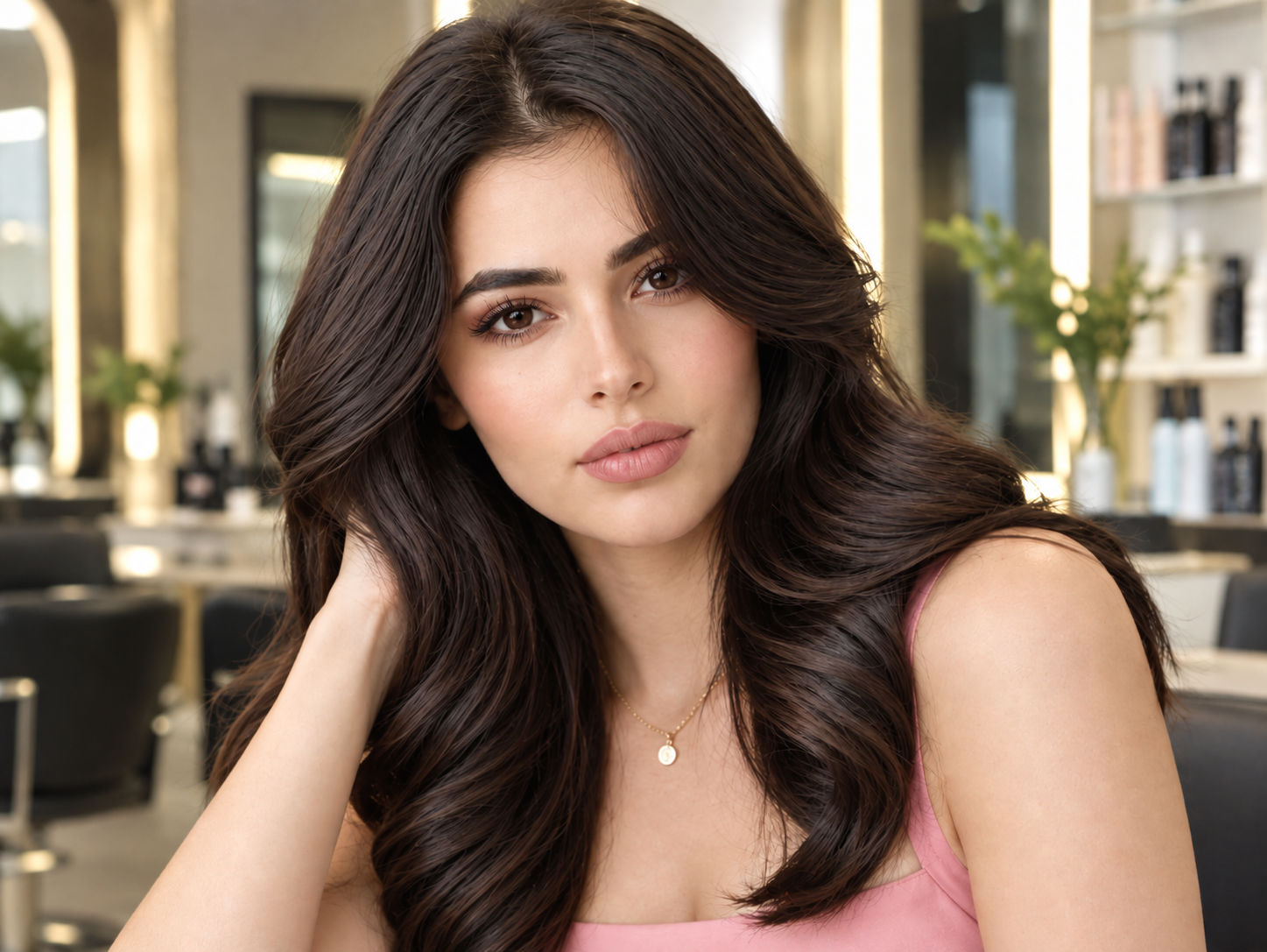
Indian hair is incredibly diverse. Natural shades range from deep black to different levels of brown, while hair texture can be straight, wavy, curly, fine, coarse or somewhere in between.
That means there cannot be a single “best hair color for Indian hair.”
The better approach is to select a shade and formula according to your natural hair color, skin undertone, percentage of greys and desired level of change.
Natural Black is a practical choice for people whose original hair is very dark and who primarily want to cover visible greys.
It creates minimal contrast with naturally black hair and is therefore useful when the goal is restoration rather than transformation.
Dark Brown is one of the most versatile choices for Indian hair.
It can soften the overall appearance compared with an intense black while remaining close enough to naturally dark hair to look understated.
For first-time color users who want something slightly different without a dramatic transformation, Dark Brown is worth considering.
Chocolate Brown is ideal for consumers who want their hair to look visibly brown without moving into very light shades.
On naturally dark hair, the result can vary depending on the formula and starting color, so always refer to the product’s shade guidance.
Burgundy and Mahogany are popular choices for people who want richer color while retaining depth.
They can appear subtle indoors and more noticeable under stronger light depending on the base hair color.
Nisha Crème Hair Color includes Burgundy and Mahogany among its broader shade offering. The range is available in 18 shades according to the official product information.
Golden Brown and other lighter shades can provide a more visible transformation.
However, your starting hair level matters considerably. Applying a lighter-looking shade to very dark hair does not necessarily mean the result will look exactly like the image on the package.
This becomes especially important when attempting significantly lighter shades.
If you have only a few scattered greys, your objective may simply be blending.
If you have significant grey growth, reliable coverage becomes more important.
Choose products that specifically state their grey-coverage purpose and follow the manufacturer’s processing instructions carefully.
Nisha Crème Hair Color, is positioned for grey coverage from roots to tips.
Indian consumers can choose among several formats.
Crème hair colors are useful for controlled application and broad shade selection.
Shampoo-based colors prioritize convenience.
Henna-based colors appeal to consumers interested in a henna-led approach.
Semi-permanent colors are useful when experimenting with fashion shades or less permanent transformations.
Yuthika Natural Pvt. Ltd.’s portfolio itself demonstrates this diversity, with crème, shampoo-based, gel and henna-based hair-color options available across its brands.
Skin undertone can be a useful guide, but it should not become a rigid rule.
Warm browns, chocolate tones and golden browns can complement many warm undertones.
Natural browns and neutral dark shades are versatile choices.
Burgundy and Mahogany can provide stronger contrast and more visible color.
Most importantly, choose a shade you feel comfortable wearing.
After coloring, avoid treating your hair exactly as you did before.
Use gentle cleansing, condition regularly and limit unnecessary exposure to excessive heat. How frequently you shampoo can also affect how quickly visible color changes over time.
Healthy-looking shine and smoothness can make a hair color appear considerably richer.
Trends change every season, but your natural base does not.
A shade trending on social media may have been created on pre-lightened hair, professionally colored hair or a completely different natural base.
Instead of copying the shade directly, determine:
What is my current hair color?
How much grey do I have?
How visible do I want the transformation to be?
Do I want warm, cool or neutral-looking color?
How much maintenance am I willing to do?
Answering these questions makes choosing a hair color much easier.
For many Indian consumers, Natural Black, Dark Brown, Natural Brown and Chocolate Brown provide versatile starting points. Burgundy and Mahogany offer richer transformations, while lighter shades require greater consideration of the starting hair color.
Nisha’s range includes numerous natural and expressive shades, while the broader Yuthika Natural portfolio includes multiple coloring formats for different consumer preferences.
Ultimately, the best hair color for Indian hair is not simply the shade receiving the most attention online. It is the shade and product format that work with your natural base, grey coverage requirement, desired look and maintenance preference.
Natural Black, Dark Brown and Natural Brown are common starting points for a natural-looking result.
Chocolate Brown can provide a richer brown appearance, although the final result depends on the starting hair color.
Look for a product specifically formulated for grey coverage and choose a shade that blends appropriately with your remaining natural hair.
Choose Black if you want greater depth and Dark Brown if you prefer a slightly softer-looking result.

Grey hair is a natural part of ageing, but many people prefer to cover grey strands while keeping their hair looking soft, shiny, and healthy....
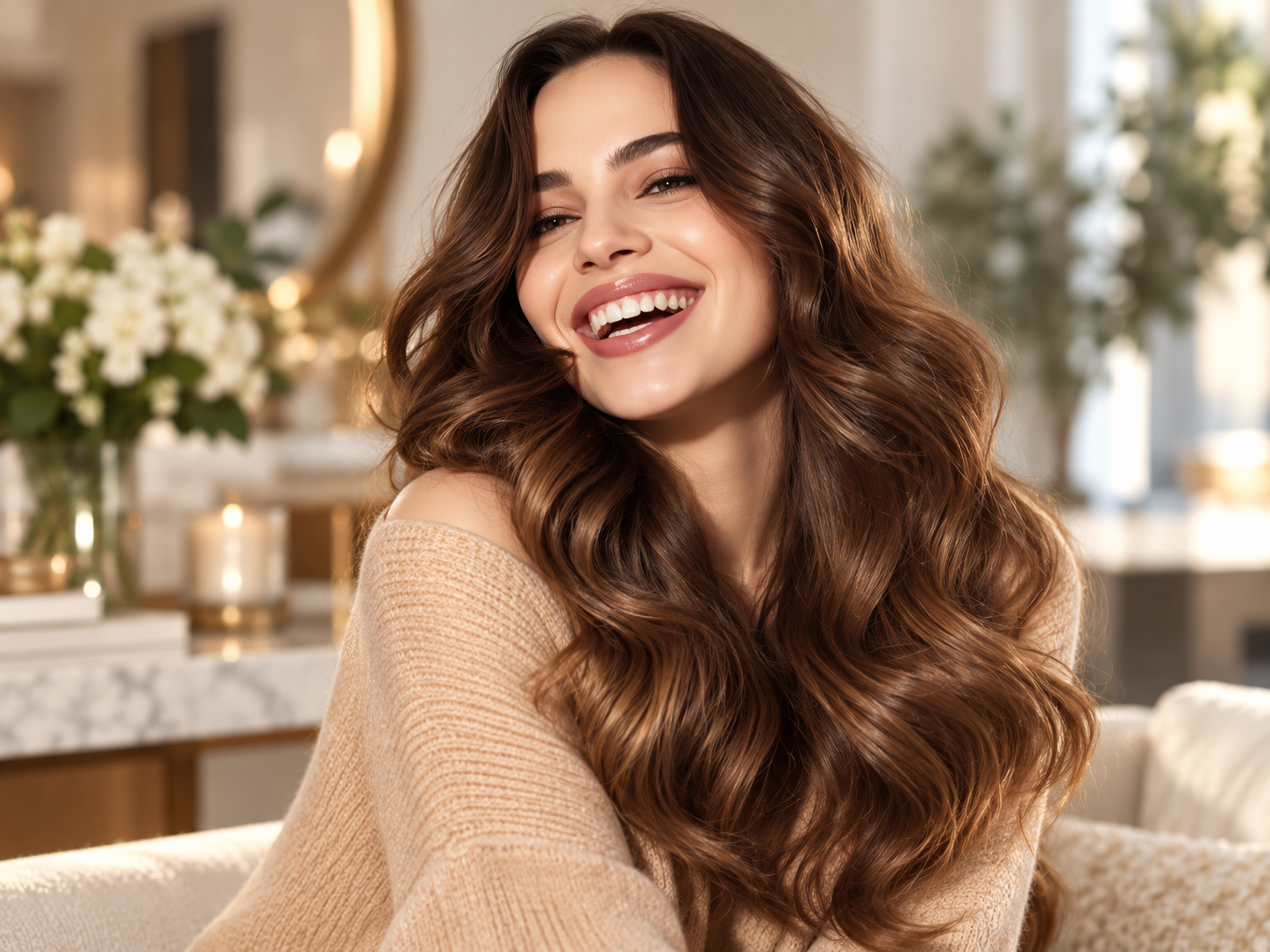
Choosing the right hair color can instantly refresh your appearance and add a new dimension to your overall style. From natural-looking browns to bold burgundy...
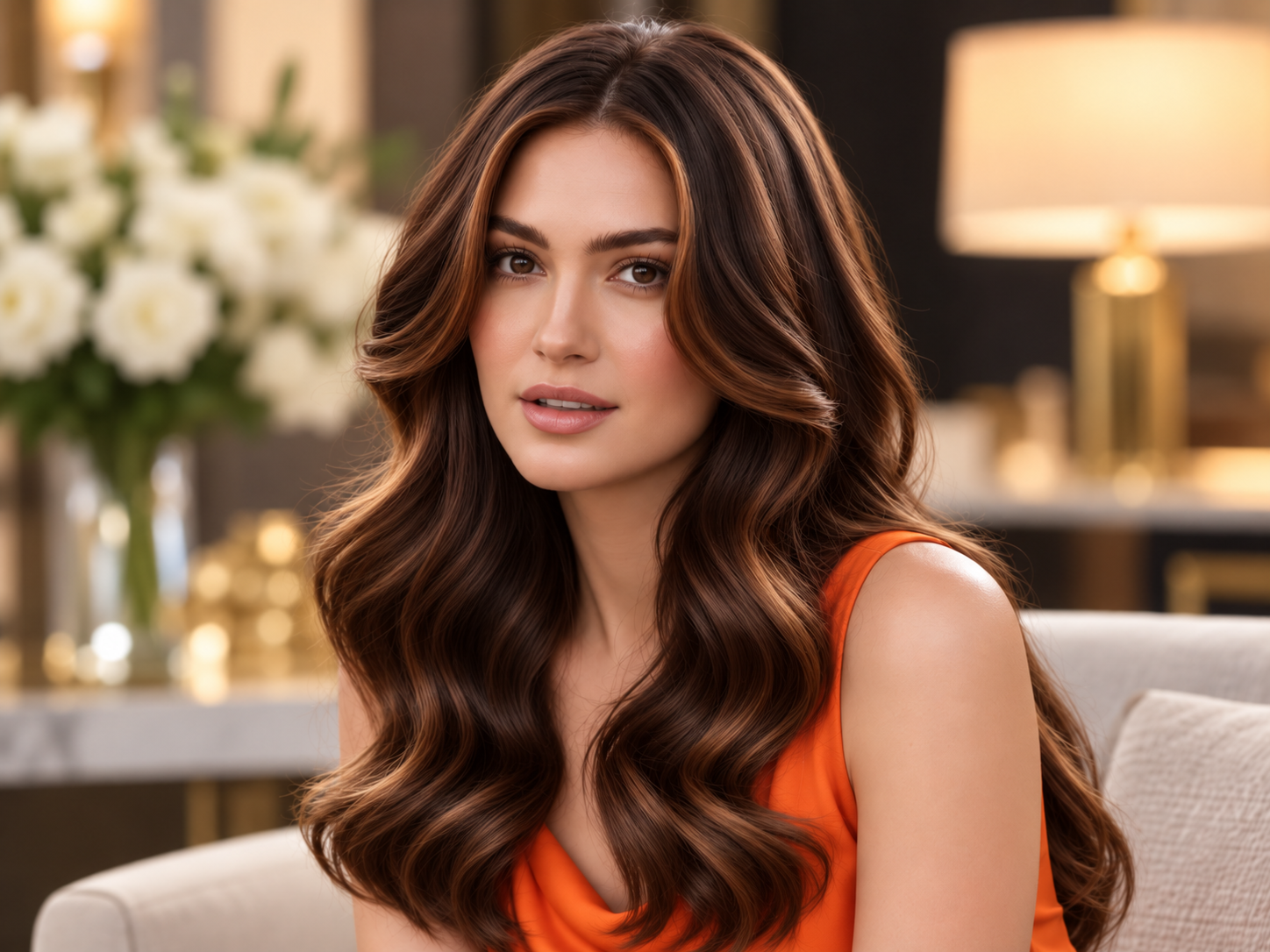
Hair color is one of the easiest ways to refresh your appearance, add dimension, or create a completely new style. From rich brown shades to...