
Best Organic Mehndi Cone for Hand Design
Mehndi is a beautiful part of Indian traditions, celebrations, weddings, and festivals. From delicate floral patterns to detailed bridal designs, the quality of the cone...


Category:Hair Color
Choosing the right hair color can be confusing, especially when hair fall, dryness, or breakage is already a concern. Many people wonder whether natural hair color is better than chemical hair color for maintaining stronger-looking hair.
The answer depends on the formula, ingredients, application method, hair condition, and individual scalp sensitivity. Natural does not automatically mean that a product cannot cause a reaction, while chemical hair color does not automatically mean it will cause hair fall. Understanding the difference can help you choose a suitable option for your hair.
Natural hair color commonly uses ingredients such as henna and other botanical ingredients to add color to the hair. Some henna-based products are designed to provide grey coverage while also conditioning the appearance and feel of the hair.
Chemical hair color may use oxidative colorants and other ingredients to change or deposit color. Certain permanent formulations can alter the hair shaft more significantly, particularly when used incorrectly or too frequently.
The Nisha Natural Henna Based Hair Color is a henna-based option listed for grey coverage. Another option is Nisha NatureMate Natural Henna-Based Hair Color, which contains henna and botanical ingredients such as amla, shikakai, aloe vera, and hibiscus.
The important point is to look beyond the words “natural” or “chemical” and check the actual ingredient list, instructions, and suitability for your hair and scalp.
Hair coloring and hair fall are not always directly connected.
There is an important difference between hair shedding and hair breakage. Hair shedding happens from the follicle, while breakage occurs when the hair shaft becomes weak and snaps.
A poorly formulated or improperly used permanent dye can damage the hair shaft. However, research on a specific ammonia-free permanent dye formulation found no increase in hair shedding or breakage in the study group.
At the same time, some hair dyes can cause allergic contact dermatitis. PPD, an ingredient found in many oxidative hair dyes, is a well-documented contact allergen. A severe allergic reaction can sometimes be accompanied by significant hair loss.
This means that the formula, individual sensitivity, application process, and frequency of use all matter.
Natural or henna-based hair color is often considered by people who want a gentler-looking coloring routine or prefer botanical ingredients.
Henna is a plant-derived coloring ingredient that can coat the hair and provide warm or darker-looking tones depending on the formulation and starting hair color.
Some henna-based products are also formulated with botanical ingredients. The Nisha NatureMate product page, lists henna along with amla, shikakai, aloe vera, and hibiscus.
People who regularly cover grey hair may prefer a formula that suits their routine and scalp. However, “natural” should not be treated as a guarantee against allergy or irritation. Always read the complete ingredient information and follow the manufacturer’s safety instructions.
A suitable henna-based formula can leave hair looking fuller, conditioned, and shiny. Results can vary according to the existing hair color, texture, grey percentage, and product formulation.
Chemical hair color can provide a wider range of shades and may be useful when you want a specific fashion color, grey coverage, or a noticeable change in tone.
However, some formulations contain ingredients that can irritate sensitive scalps or trigger allergic reactions. PPD is one of the most recognized hair-dye allergens, and research has also identified multiple contact sensitizers in commercially available hair dyes sold in India.
Chemical coloring can also contribute to dryness and hair breakage, particularly when the hair is already damaged or when coloring is combined with repeated bleaching, heat styling, or other chemical treatments.
Therefore, chemical hair color should be selected according to hair condition rather than simply avoiding every product described as chemical.
| Factor | Natural/Henna-Based Hair Color | Chemical Hair Color |
| Main purpose | Natural-looking color and grey coverage | Grey coverage, shade changes and fashion colors |
| Common ingredients | Henna and botanical ingredients | Oxidative colorants and other cosmetic ingredients |
| Shade range | Depends on the formulation | Usually broader |
| Hair feel | May provide a conditioned feel | Depends strongly on formulation and aftercare |
| Allergy risk | Still possible | Certain dye allergens are well documented |
| Hair breakage | Depends on formula and hair condition | Can occur with unsuitable or improper use |
| Best approach | Check ingredients and suitability | Check ingredients, instructions and sensitivity |
Neither category should automatically be labelled as the sole cause of hair fall. Product formulation, scalp sensitivity, hair condition, application frequency, and aftercare are important factors.
First, determine whether you are experiencing increased shedding, breakage, or both. If hair fall is sudden, severe, or persistent, consider speaking with a dermatologist instead of assuming that hair color is the cause.
Read the product label before use. If you have previously experienced an allergic reaction to hair dye, pay particular attention to ingredients associated with your previous reaction.
Dry, brittle, bleached, or heavily processed hair may require extra care before coloring. Avoid repeatedly processing already fragile lengths.
Do not leave the product on longer than recommended. Use the recommended quantity and application method. Wear gloves when instructed and avoid applying products to irritated or damaged skin.
Follow the manufacturer’s instructions for allergy or sensitivity testing before use. A previous uneventful application does not guarantee that an allergy cannot develop later.
After coloring, use a suitable shampoo and conditioner and reduce unnecessary heat styling. A hair serum can also help improve the appearance and manageability of dry-looking lengths. A dedicated hair care range can be incorporated into a regular post-color routine.
Color-treated hair needs consistent care. Try these simple steps:
If hair becomes noticeably weaker after repeated coloring, allow the hair to recover before another chemical process.
There is no universal answer that natural hair color is always better for hair fall. A natural or henna-based product may suit someone who prefers botanical ingredients, while another person may need a particular shade or coverage from a different type of formulation.
The more useful approach is to choose a hair color based on ingredients, scalp sensitivity, hair condition, desired result, and correct application.
It is also important not to confuse natural ingredients with a complete absence of risk. Even products based on plants can cause sensitivity in some individuals. Similarly, not every chemical hair color causes hair fall.
Natural or henna-based hair color may be preferred by people looking for botanical-based coloring options, but it cannot be guaranteed to prevent hair fall. Ingredient safety, scalp sensitivity, hair condition, and application technique all matter.
Chemical hair color does not automatically cause hair fall. However, certain ingredients can cause allergic reactions, and improper or repeated processing can contribute to hair damage and breakage. Some severe allergic reactions to hair dye have also been associated with hair loss.
Henna itself should not automatically be considered a cause of hair loss. However, individual sensitivity to a product or its additional ingredients is possible. Always check the complete ingredient information and follow the recommended safety test.
For damaged hair, focus on a formula appropriate for the condition of the hair and avoid unnecessary repeated chemical processing. A gentle coloring routine combined with conditioner and suitable aftercare can help reduce additional breakage.
If hair fall is sudden, severe, or persistent, it is better to identify the underlying cause rather than assuming that hair color is responsible. A dermatologist can help determine whether the problem is shedding, breakage, scalp irritation, or another condition.
The comparison between natural hair color and chemical hair color is not simply about choosing one category over the other. Both types can have different formulations, ingredients, benefits, and potential concerns.
If hair fall is your main concern, look at the complete product formula, your scalp sensitivity, existing hair condition, and coloring frequency. A well-suited product used correctly, together with consistent hair care, can help you maintain healthier-looking colored hair.
The goal should be to choose a hair color that gives the desired shade while fitting comfortably into your overall hair-care routine.
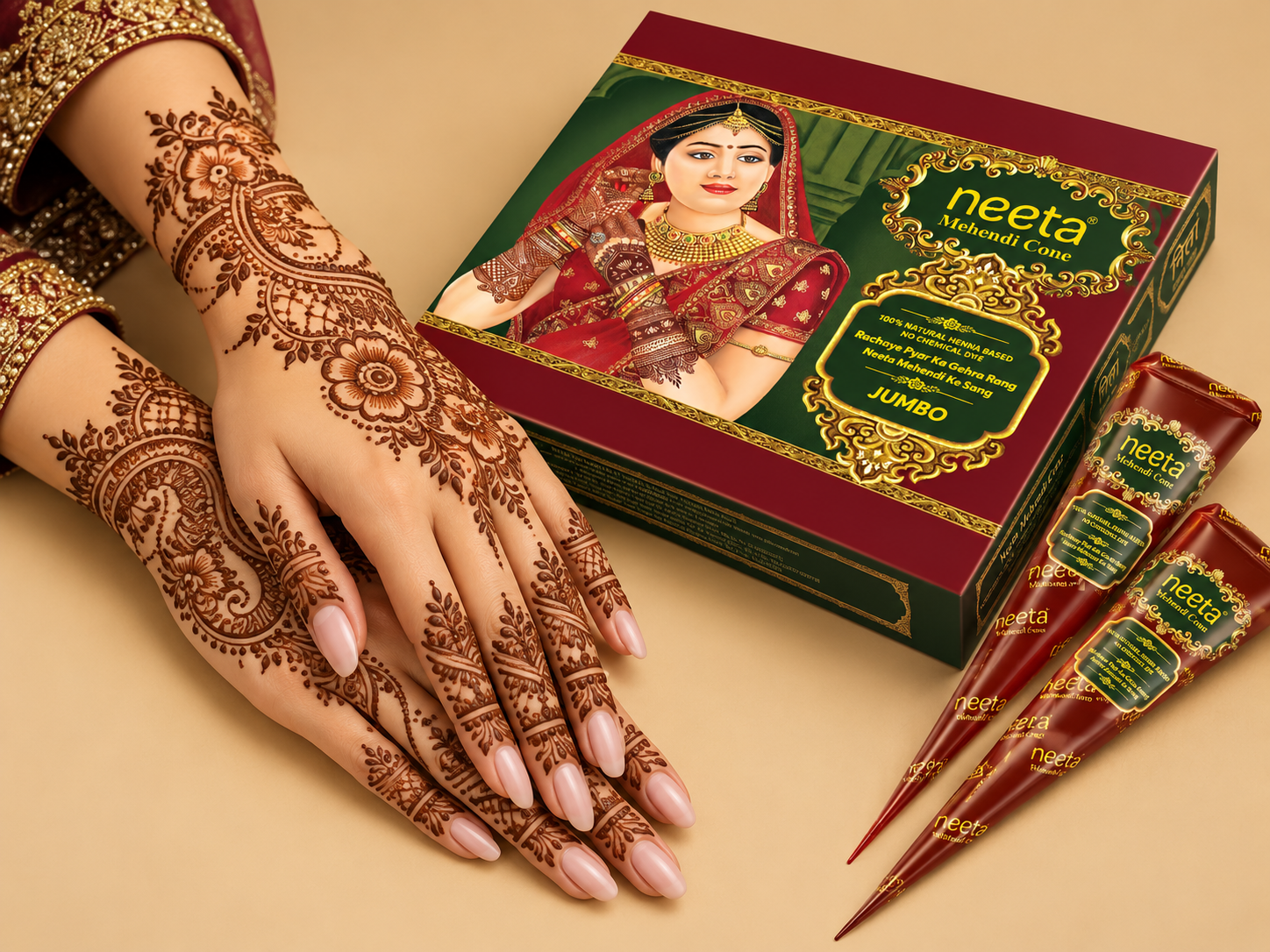
Mehndi is a beautiful part of Indian traditions, celebrations, weddings, and festivals. From delicate floral patterns to detailed bridal designs, the quality of the cone...
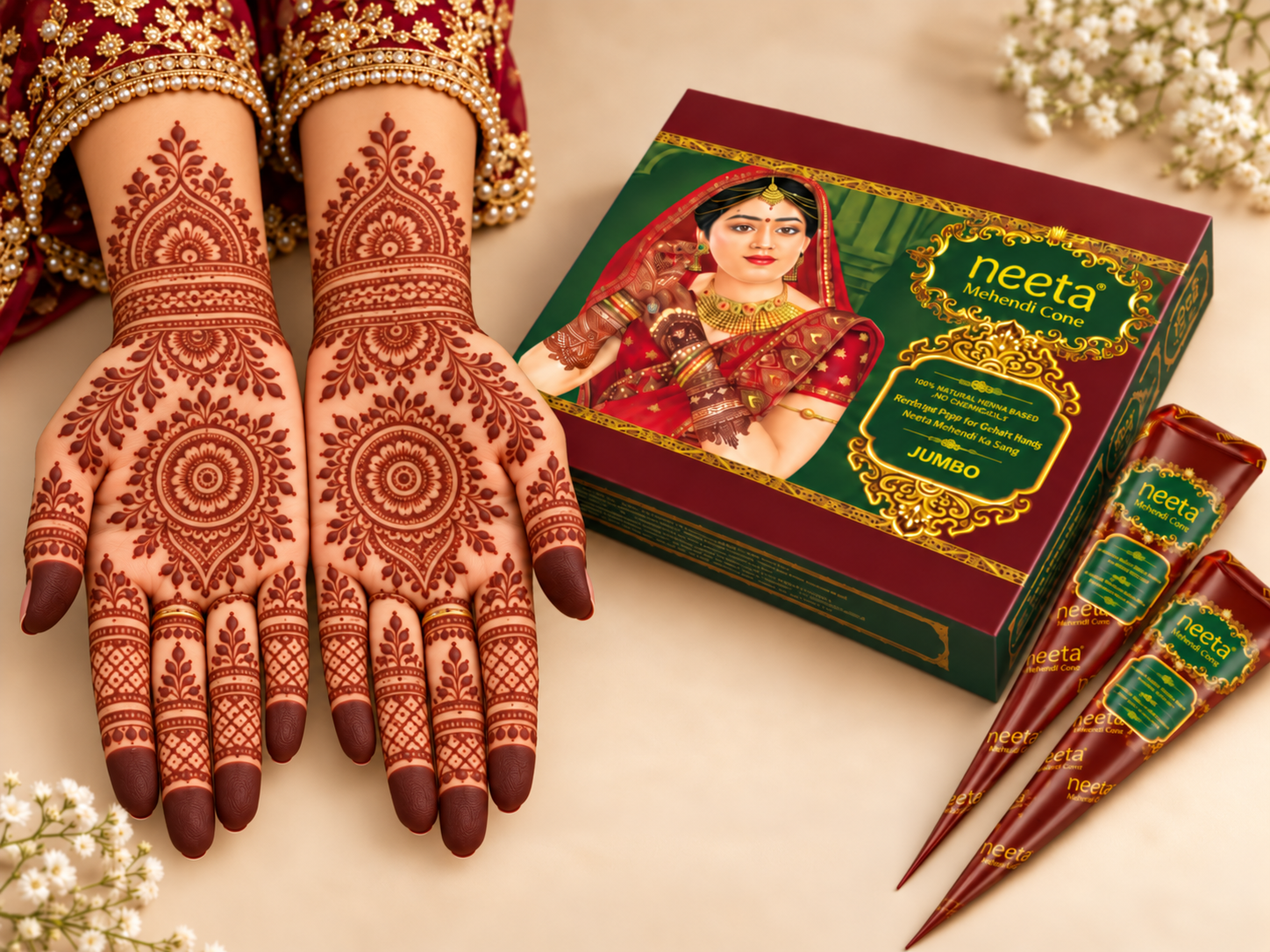
Mehendi is a beautiful part of Indian celebrations, from weddings and festivals to family functions and special occasions. A good mehendi cone can make the...
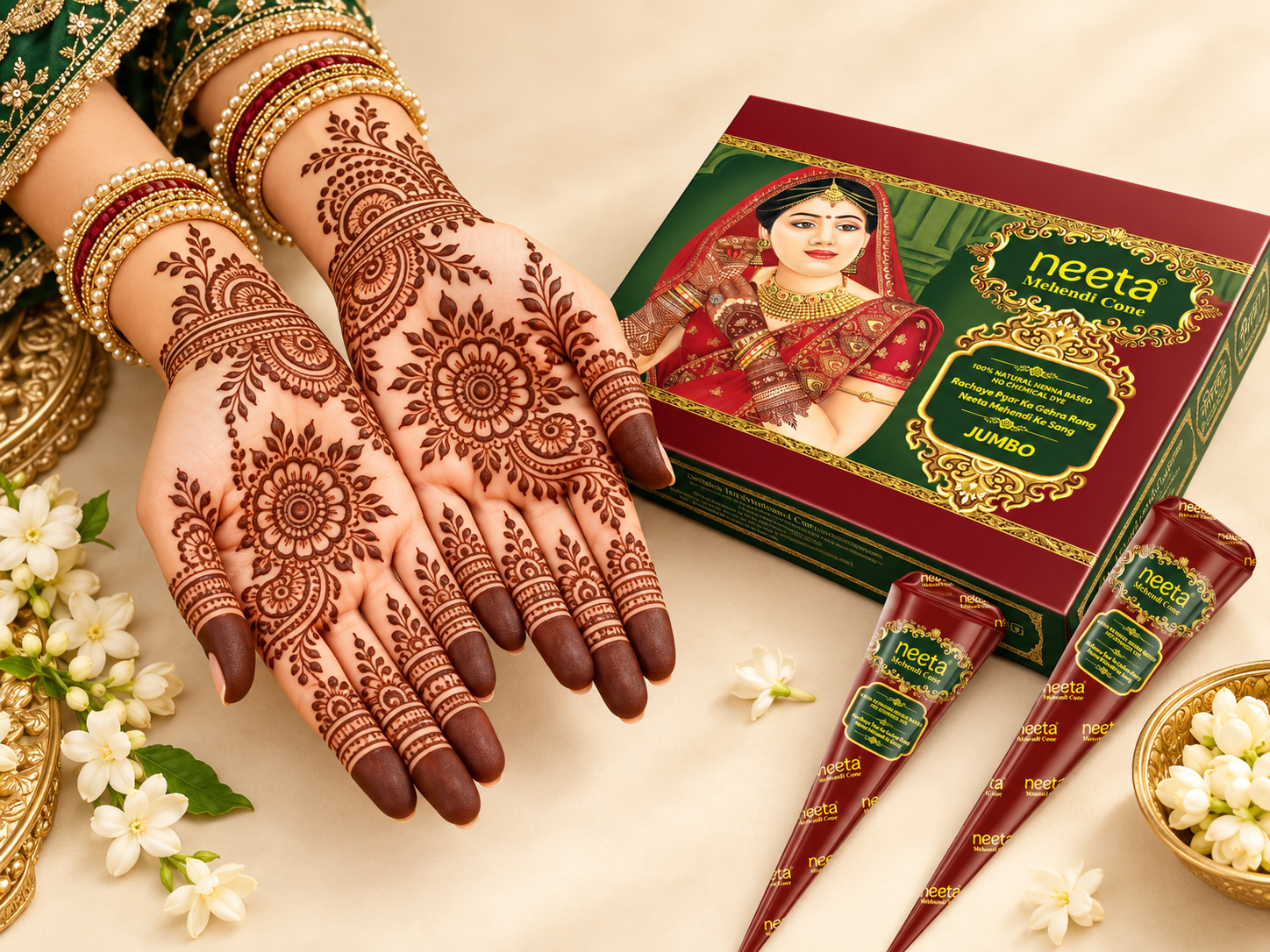
Mehendi is a beautiful part of Indian celebrations, weddings, festivals, and everyday beauty. From delicate floral patterns to detailed bridal designs, the right henna cone...