
Natural Black vs Dark Brown Hair Color: Which Is Better for Grey Hair?
When comparing natural black vs dark brown hair color for grey hair, the better choice depends mainly on your natural hair color and how much...


Category:Hair Care
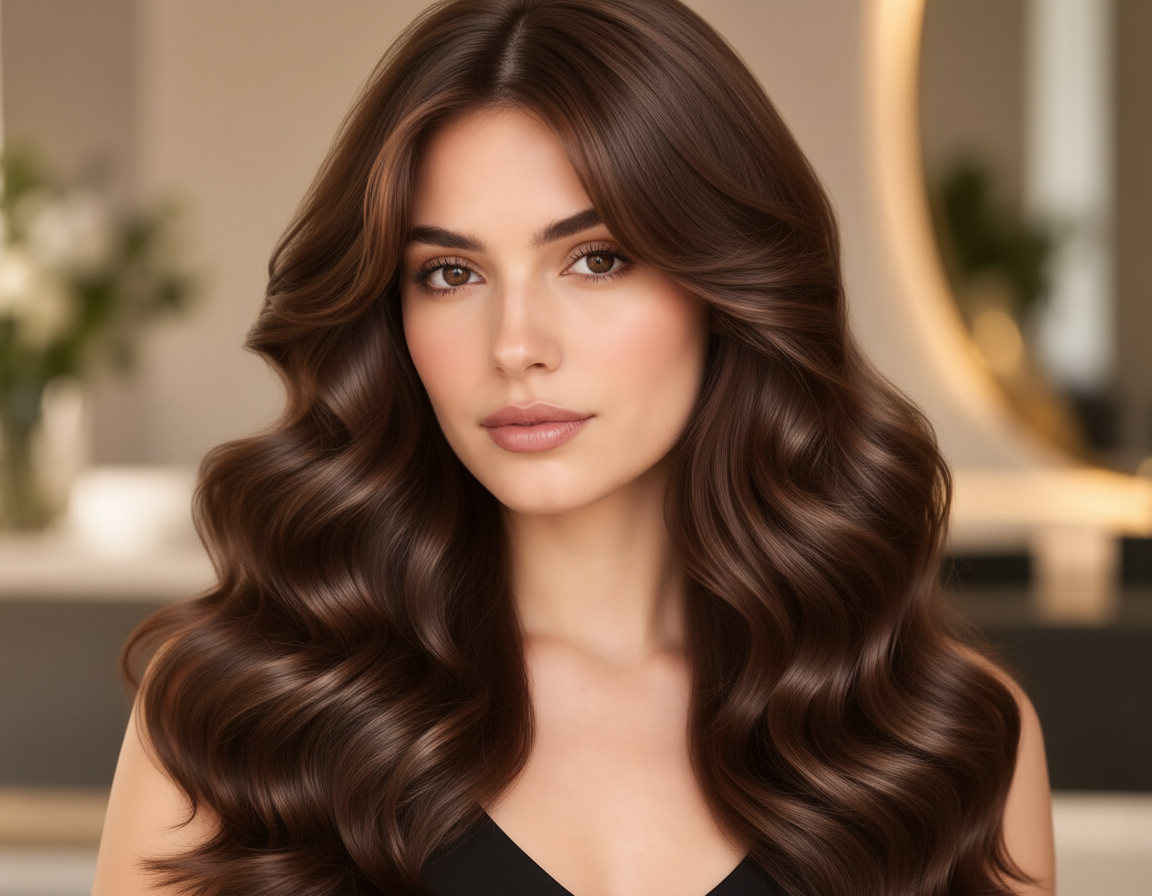
Healthy hair needs more than occasional shampooing. The right hair care routine should match your hair type, scalp condition, texture and lifestyle. Dry hair needs extra moisture, oily hair needs balanced cleansing, while curly and textured hair often needs more conditioning and gentle handling.
A simple routine followed consistently can help improve softness, shine, manageability and overall hair health. If you also use hair color, your routine should include additional nourishment and protection to help maintain the appearance of colored hair.
Your hair faces daily exposure to pollution, sunlight, heat styling, humidity and environmental changes. Frequent washing, chemical treatments and incorrect products can also contribute to dryness, frizz and breakage.
A suitable routine can help:
The best approach is not to use many products. Instead, choose the right products according to your hair’s specific needs.
Before choosing products, identify your main hair concern.
Dry hair: Feels rough, lacks moisture and may develop split ends.
Oily hair: Becomes greasy quickly, especially around the scalp.
Normal hair: Usually has a balanced scalp and manageable texture.
Curly or wavy hair: Often needs additional moisture and can become frizzy easily.
Straight hair: Can become oily or flat and may need lightweight products.
Understanding your hair type makes it easier to build a personalized routine instead of following the same routine as everyone else.
Shampoo removes sweat, excess oil, dirt and product buildup from the scalp. However, washing too frequently or using an unsuitable formula may leave the hair feeling dry.
For oily hair, choose a lightweight cleansing routine. Dry and curly hair generally benefit from gentle cleansing that does not leave the lengths feeling stripped.
A range of options such as hair care shampoos for repair, shine and hair fall concerns can help you select a formula according to your primary hair concern.
Tip: Concentrate shampoo mainly on the scalp and allow the lather to cleanse the lengths while rinsing.
Conditioner is an important part of everyday hair care because it helps make the lengths softer and easier to detangle.
For dry hair, use a richer conditioning formula.
For oily hair, apply a lighter amount mainly to the mid-lengths and ends.
For curly hair, conditioning is especially important because curls can lose moisture quickly.
For straight hair, avoid applying excessive conditioner near the roots if your hair becomes flat easily.
A good conditioner can complement cleansing by improving softness and manageability.
Serum is useful when your hair feels rough, frizzy or difficult to style. Apply a small amount to damp or dry lengths, depending on the product directions.
Eversilk hair serums with Argan Oil and Pro-Vitamin are available for those looking to add smoothness and shine to their routine.
Do not apply too much serum. A small quantity is usually enough for the lengths and ends.
Dry hair needs moisture-focused care.
A simple routine can include:
Avoid very hot water because it can leave already-dry hair feeling rough.
Oily hair needs a balance between effective cleansing and avoiding excessive washing.
Follow these simple steps:
Touching your hair frequently can also transfer oil and make the roots appear greasy faster.
Curly and wavy hair can be more prone to dryness and frizz because natural scalp oils may not distribute evenly through the lengths.
For better care:
Instead of brushing curls aggressively when dry, handle them gently to help maintain their natural shape.
Straight hair may look smooth but can still experience dryness, split ends, heat damage or excess oil.
A simple routine includes:
If straight hair becomes flat quickly, use lightweight products and avoid putting heavy oils or conditioners near the scalp.
If you regularly use hair color, your routine should focus on maintaining softness and minimizing dryness.
Choose a gentle shampoo and conditioner, avoid excessive heat and use serum on the lengths. Washing colored hair too frequently may also make the shade appear less fresh over time.
When selecting a color, consider your natural hair, grey coverage needs and desired shade. Options available today include crème, powder, shampoo-based and gel-based hair color formats.
For grey coverage or a refreshed appearance, hair color options in different shades and formats can be selected according to your individual needs.
If you prefer a quicker application format, shampoo-based options are also available, including products designed for grey coverage.
Even a good routine may not give the desired results if basic mistakes are repeated.
Avoid:
Consistency is more important than having a complicated routine.
A basic routine includes suitable shampoo, regular conditioning, gentle detangling, serum when needed, limited heat styling and occasional nourishment. The exact routine should depend on your hair type and scalp condition.
There is no single schedule for everyone. Oily scalps may require more frequent washing, while dry or curly hair may need less frequent cleansing. Follow your scalp’s needs rather than washing automatically every day.
Dry hair generally benefits from gentle cleansing, regular conditioning, occasional nourishment and reduced heat exposure. Focus on keeping the lengths moisturized and avoid harsh handling.
The basic steps can remain the same, but colored hair benefits from gentle cleansing, regular conditioning and reduced heat exposure. Using suitable products can help maintain softness and the appearance of the shade.
Use gentle cleansing, regular conditioning and careful detangling. Avoid rough towel drying and excessive heat. A small amount of suitable serum can also help improve smoothness and manageability.
The best hair care routine is not necessarily the most complicated one. It is the routine that matches your scalp, hair texture and specific concerns. Dry hair needs moisture, oily hair needs balanced cleansing, while curly and wavy hair usually need extra conditioning and gentle handling.
If you use hair color, give additional attention to conditioning, heat protection and gentle cleansing. With the right products and consistent habits, you can maintain softer, shinier and more manageable hair while keeping your routine simple and practical.
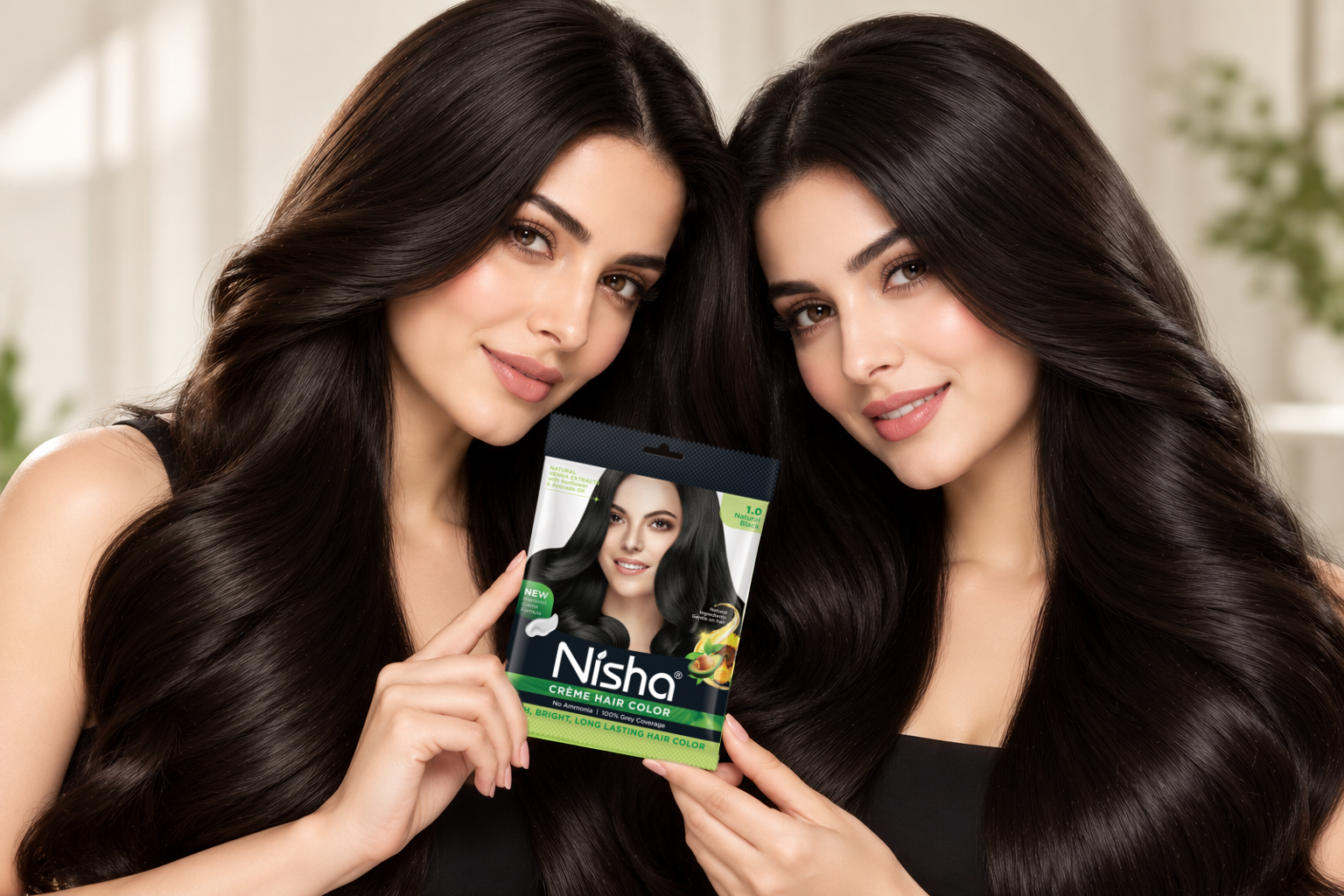
When comparing natural black vs dark brown hair color for grey hair, the better choice depends mainly on your natural hair color and how much...
What is the best hair color for 100% grey coverage? The right choice is a hair color specifically formulated for complete grey coverage, available in...
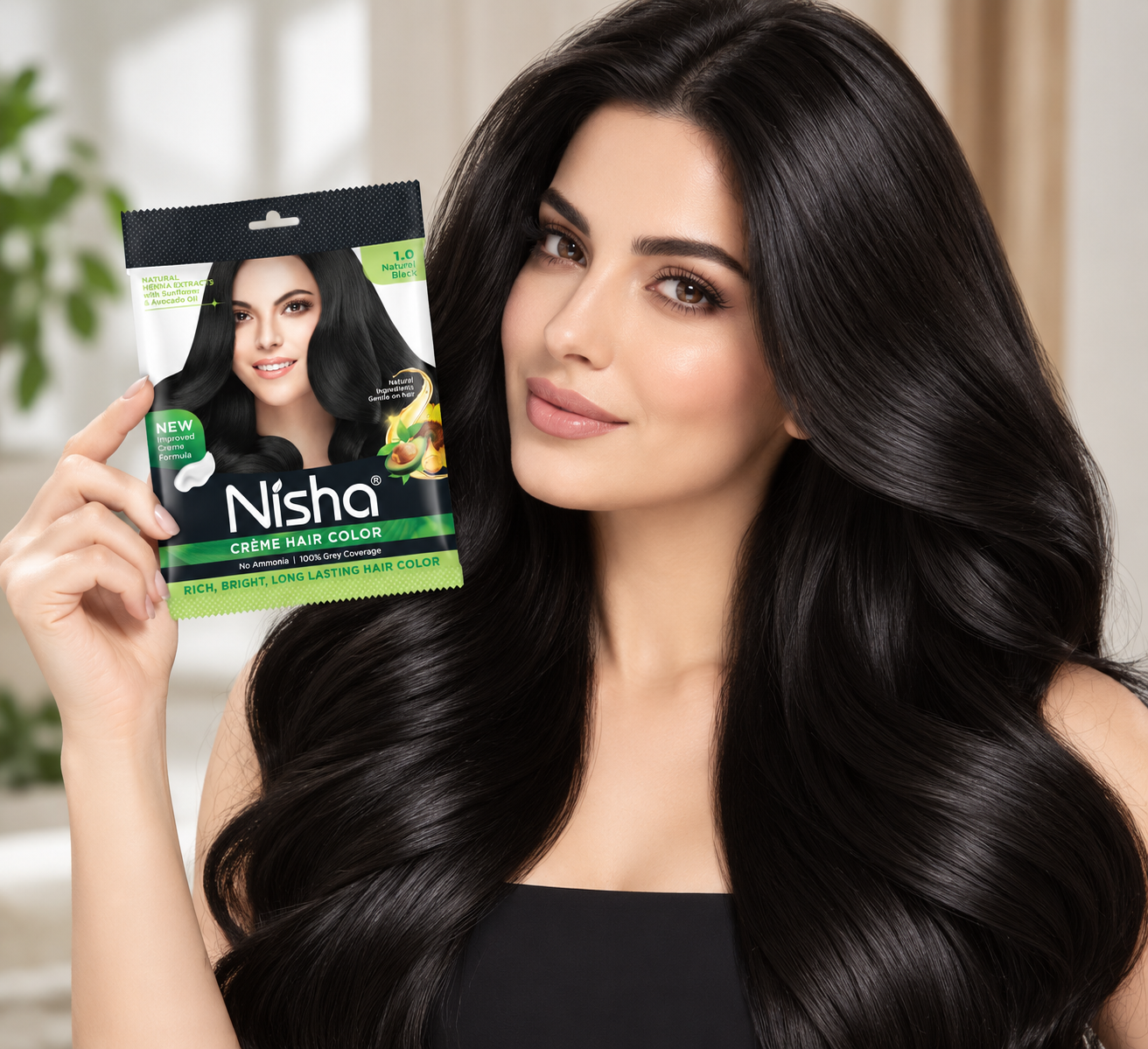
Which is the best hair color brand for grey hair in India? There is no single brand that is best for everyone. A good hair...