
Natural Black vs Dark Brown Hair Color: Which Is Better for Grey Hair?
When comparing natural black vs dark brown hair color for grey hair, the better choice depends mainly on your natural hair color and how much...


Category:Hair Care
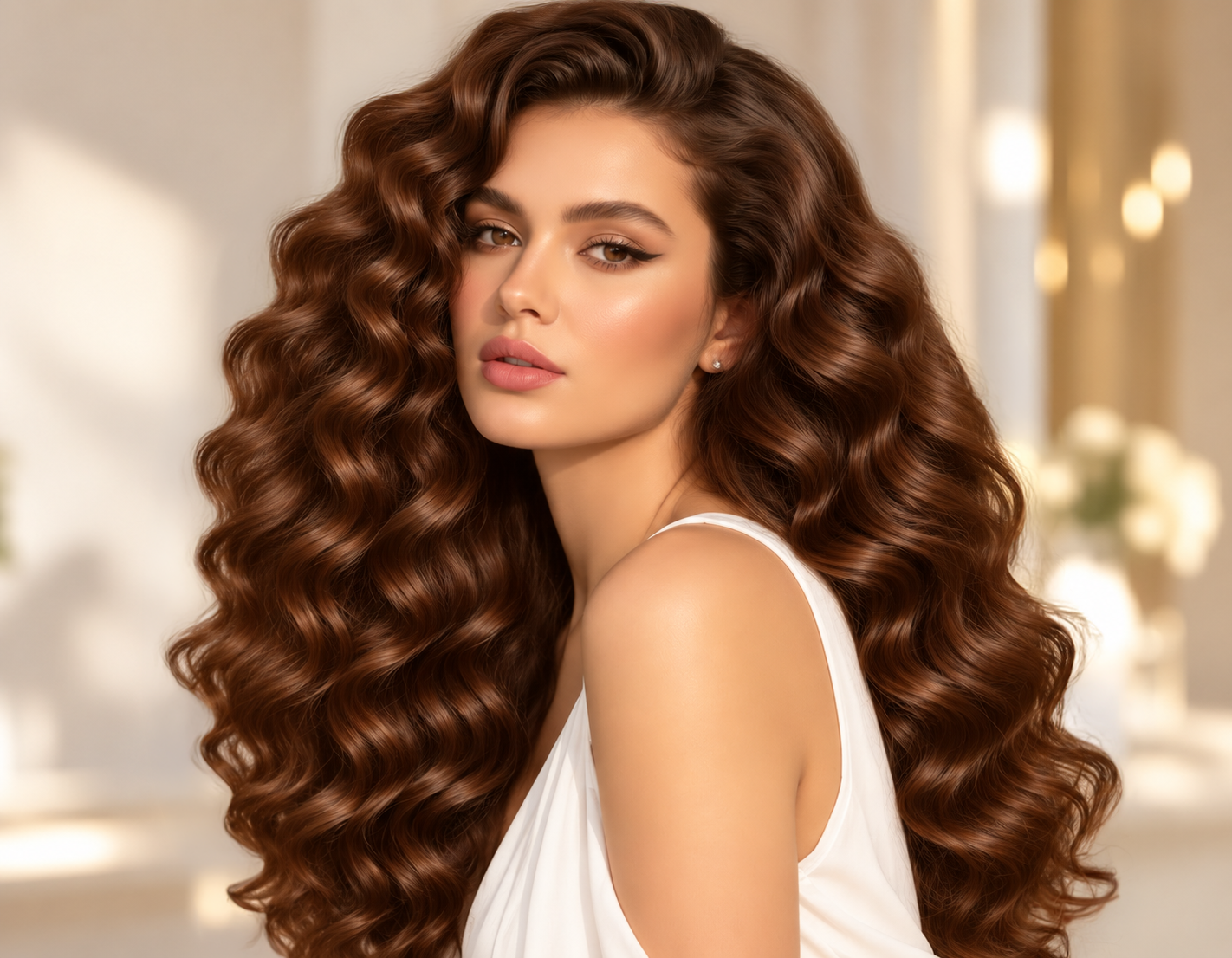
Dry, frizzy and damaged hair often needs more than regular shampooing. Lack of moisture, heat styling, chemical treatments, pollution, frequent hair coloring and harsh weather can make hair rough, tangled and difficult to manage. A consistent hair care routine can help improve softness, manage frizz and keep the hair looking healthier.
The right routine does not need to be complicated. With gentle cleansing, regular conditioning, proper nourishment and protection, you can gradually improve the appearance and feel of dry and damaged hair.
Hair can become dry and rough when it loses moisture and natural oils. Frequent heat styling, excessive washing, chemical treatments and environmental exposure can further weaken the hair.
Common causes include:
Understanding the cause makes it easier to create an effective dry hair care routine.
Start your routine by gently removing tangles. Use a wide-tooth comb and begin from the ends, slowly moving towards the roots.
Avoid pulling or brushing aggressively, especially when the hair is wet. Wet hair is more prone to stretching and breakage. Gentle detangling can help reduce unnecessary hair damage and split ends.
Cleansing is an important part of hair care, but excessive washing or harsh cleansing can leave already-dry hair feeling rough.
Choose a shampoo according to your hair’s condition. A repair-focused shampoo can be useful when hair feels weak, dry or damaged. The Absolute Repair Shampoo is listed among the hair care options and can be included in a routine focused on damaged and dry-looking hair.
Apply shampoo mainly to the scalp and gently massage with your fingertips. Allow the lather to cleanse the lengths as you rinse instead of vigorously rubbing the hair.
Conditioning is one of the most important steps for frizzy hair care. Shampoo cleanses the scalp, while conditioner helps make the lengths softer and easier to manage.
Apply conditioner from the mid-lengths to the ends. Leave it on for a few minutes before rinsing thoroughly.
For hair that feels dry, rough or damaged, a repair-focused conditioner can complement your routine. The Absolute Repair Conditioner is one of the available conditioner options for hair care.
A hair serum can be useful when your main concerns are frizz, roughness, tangles and lack of shine.
After washing, gently squeeze excess water from your hair. Take a small amount of serum and apply it mainly to the lengths and ends. Avoid using too much product because excessive application may make hair feel heavy or create buildup.
For smooth-looking and manageable hair, you can use a professional hair serum as part of your regular routine. Options include Eversilk serums formulated with ingredients such as argan oil and Pro-Vitamin B5.
Dry and damaged hair benefits from consistent nourishment. Depending on your hair type and scalp needs, regular oiling can be included before shampooing.
Apply oil gently to the scalp and lengths without aggressive rubbing. Leave it for an appropriate period before washing.
If your scalp becomes oily easily, avoid applying excessive oil or leaving it on for very long periods. The goal is nourishment, not heavy product buildup.
A weekly hair mask can provide an additional moisture-focused step for dry, rough and damaged hair.
Concentrate the mask on the lengths and ends, particularly if those areas feel brittle or tangled. A regular treatment can make hair feel softer and easier to manage.
For severely damaged hair, avoid combining several strong treatments on the same day. Keep your routine simple and consistent.
Small changes in daily habits can make a noticeable difference to your hair care routine.
Frequent straightening, curling and high-heat blow drying can make dry hair feel even rougher. Whenever possible, reduce the temperature and frequency of heat styling.
After washing, gently squeeze water from the hair instead of rubbing it aggressively. Rough handling can increase frizz and breakage.
Long exposure to sunlight can leave hair feeling dry and dull. Cover your hair when spending extended periods outdoors and use suitable protective hair products.
Regular trimming can help remove visibly split and damaged ends. It does not make hair grow faster, but it can make the overall hair look neater and healthier.
People who regularly use hair color should pay extra attention to moisture and aftercare. Coloring can change the feel of the hair, particularly when hair is already dry or chemically treated.
Choose nourishing shampoos, conditioners and serums, and avoid excessive heat styling after coloring. When selecting a hair color, consider your hair condition, desired shade and coverage needs.
For those looking for different coloring formats, the hair color range includes crème, powder, gel and shampoo-based options.
If the hair is already severely damaged, focus on improving its condition before repeatedly applying chemical treatments. Follow the product’s instructions and perform the recommended patch or strand tests where applicable.
A simple schedule can make your routine easier to follow:
2–3 times a week:
Wash with a suitable shampoo and follow with conditioner.
After every wash:
Use a small amount of serum on the lengths and ends.
Once a week:
Include an oiling or deep-conditioning treatment according to your hair’s needs.
Regularly:
Trim damaged ends and reduce excessive heat styling.
After hair color:
Pay extra attention to conditioning, moisture and gentle cleansing.
Consistency is more important than using too many products.
Even a good routine may not work well if basic mistakes continue.
Keeping your routine simple can help prevent unnecessary stress on the hair.
A simple routine includes gentle cleansing, regular conditioning, a suitable hair serum, weekly nourishment and reduced heat styling. Consistency is important for managing dryness and frizz.
Dry hair generally does not need daily washing. The ideal frequency depends on your scalp, lifestyle and product use. Washing when the scalp becomes oily or dirty can help maintain a better moisture balance.
Some coloring processes can make hair feel drier, especially when the hair is already weak or damaged. Proper conditioning, gentle cleansing and suitable aftercare are important for maintaining colored hair.
Yes. A suitable hair serum can help smooth the appearance of frizz, reduce tangling and add shine. Use a small amount mainly on the lengths and ends.
Start with gentle hair care habits, regular conditioning, adequate nourishment and less heat styling. Avoid over-processing the hair and give damaged lengths time and consistent care.
Dry, frizzy and damaged hair needs consistent attention rather than an overly complicated routine. Gentle shampooing, proper conditioning, regular nourishment and serum application can help improve softness, manageability and shine.
If you also use hair color, remember that aftercare is equally important. Choosing suitable hair care products and avoiding excessive heat or repeated treatments can help maintain healthier-looking colored hair. With the right routine and consistent habits, dry and damaged hair can look smoother, softer and more manageable over time.
When comparing natural black vs dark brown hair color for grey hair, the better choice depends mainly on your natural hair color and how much...
What is the best hair color for 100% grey coverage? The right choice is a hair color specifically formulated for complete grey coverage, available in...
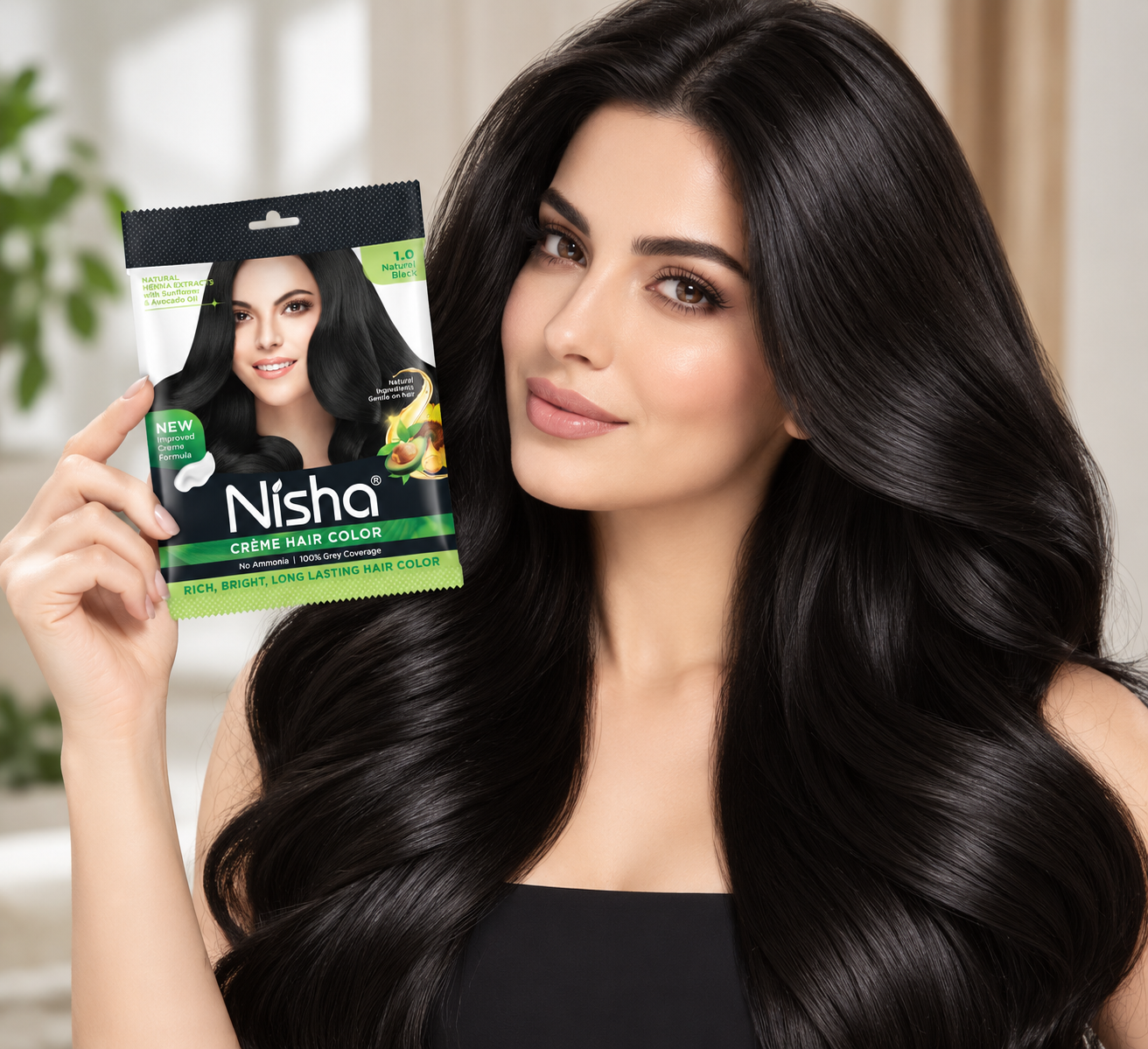
Which is the best hair color brand for grey hair in India? There is no single brand that is best for everyone. A good hair...