
Natural Black vs Dark Brown Hair Color: Which Is Better for Grey Hair?
When comparing natural black vs dark brown hair color for grey hair, the better choice depends mainly on your natural hair color and how much...


Category:Hair Care
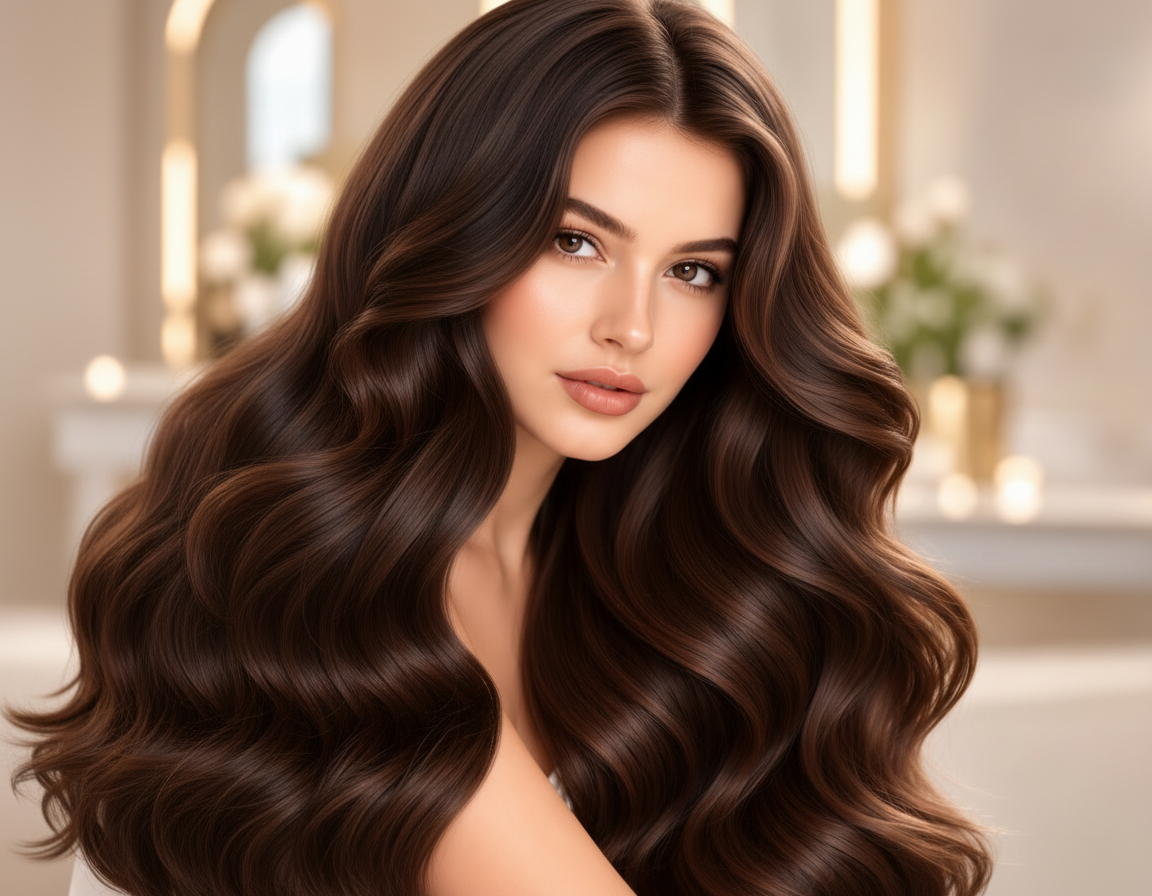
Indian hair goes through many seasonal challenges. Hot summers can make the scalp oily, monsoon humidity can increase frizz, and winter weather can leave the hair dry and rough. Pollution, dust, heat styling and frequent hair color can also affect the overall condition of the hair.
That is why a simple and consistent hair care routine should change slightly according to the season. With the right cleansing, conditioning, nourishment and protection, you can maintain soft, shiny and healthy-looking hair throughout the year.
Indian hair can be straight, wavy, curly, thick, fine, dry or oily. The weather can affect each hair type differently.
A good routine should focus on:
If you regularly use hair color, seasonal care becomes even more important because washing, sun exposure, heat and dryness can affect the appearance of colored hair.
Summer brings heat, sweat, increased oiliness and strong sun exposure. Your scalp may feel greasy while the lengths can become dry.
Choose a shampoo according to your scalp and hair type. Avoid washing excessively just because the weather is hot. Over-washing can make dry hair feel rough.
For everyday cleansing needs, options such as Intense Shine Shampoo can be included according to your hair’s requirements.
Apply conditioner mainly to the mid-lengths and ends. This helps improve softness and manageability without making the scalp unnecessarily oily.
Long exposure to sunlight can make hair feel dry and may affect the appearance of colored hair. Cover your hair with a scarf or hat when spending long hours outdoors.
Try to limit frequent use of straighteners, curling irons and very hot blow-drying. Allow your hair to dry naturally whenever practical.
Humidity is one of the biggest hair concerns during the monsoon. It can make hair frizzy, difficult to manage and more prone to tangling.
Sweat and humidity can contribute to oil and buildup. Maintain a regular washing schedule based on your scalp type.
Avoid tying wet hair tightly. Allow it to dry properly before styling or going to bed.
A lightweight serum can help smooth the lengths and reduce the appearance of frizz. Nisha Professional Eversilk Argan Oil Hair Serum can be considered as part of a routine for smoother-looking, manageable hair.
Use a small amount on the lengths and ends rather than applying excessive product.
Winter can make Indian hair dry, dull and rough because of lower humidity. The scalp may also become dry in some people.
Hot water may feel comfortable in winter, but it can leave the scalp and hair feeling dry. Use lukewarm water instead.
Pay extra attention to the lengths and ends. A nourishing conditioner can help improve softness and manageability.
Depending on your hair type, a weekly oiling or nourishing treatment can help maintain softness. Do not use excessive oil if your scalp is oily or prone to buildup.
Use a small amount of serum on the ends when they feel rough or dry. Regular trimming can also help maintain a neat appearance.
During transitional seasons, the hair may experience changes in oiliness, dryness and frizz. Instead of completely changing your routine, adjust individual steps.
Use a mild shampoo when the scalp feels oily, increase conditioning when the lengths feel dry and use serum when frizz increases.
If your hair is colored, continue using suitable cleansing and conditioning products and avoid unnecessary chemical treatments.
Maintaining your hair becomes especially important after hair color application. Washing frequency, heat, sunlight and environmental exposure can affect how your color looks over time.
For better color maintenance:
For people looking for different coloring options, the hair color range includes different formats and shades designed for different coloring preferences.
A suitable hair color can enhance your appearance, but consistent aftercare helps keep the hair looking smooth, manageable and healthy.
A simple weekly routine can make hair care easier.
Frequent washing is not automatically better. Choose your washing frequency according to your scalp and hair type.
Using large amounts of shampoo, conditioner, oil or serum can create unnecessary buildup. Start with a small quantity and add more only when required.
Healthy-looking hair starts with proper scalp care. Keep the scalp clean and pay attention to changes in oiliness, dryness or buildup.
For most routines, conditioner is better suited to the lengths and ends rather than the scalp.
Regular high-temperature styling can contribute to dryness and breakage. Use heat protection and lower temperatures where possible.
If you regularly use hair color, do not treat coloring as the final step. Conditioning, gentle cleansing and protection should remain part of your routine.
The best products depend on your hair and scalp needs rather than simply choosing products because they are popular.
For dry or damaged-looking hair, consider a repair-focused routine. For dull hair, a shine-focused shampoo and conditioner may be more suitable. For frizz-prone hair, a lightweight serum can improve manageability.
The available hair care range includes shampoos, conditioners and serums designed around different hair needs.
If your hair is frequently colored, chemically treated or exposed to heat, focus on moisture, gentle cleansing and regular conditioning.
It depends on your scalp and hair type. Oily hair may need more frequent washing, while dry or curly hair may require less frequent cleansing.
Limit prolonged sun exposure, cover your hair outdoors, reduce excessive heat styling and maintain regular conditioning.
Use a mild cleansing routine, avoid leaving hair wet for long periods and apply a small amount of lightweight serum to the lengths and ends.
Use suitable shampoo and conditioner, avoid excessive washing and heat styling, protect hair from strong sun exposure and follow the product’s recommended aftercare instructions.
Yes. Winter hair care should focus more on moisture and protection. Use lukewarm water, condition regularly and consider weekly nourishment if suitable for your hair type.
Indian weather changes throughout the year, so your hair care routine should change with it. Summer calls for scalp cleansing and sun protection, monsoon requires frizz and moisture management, while winter needs extra nourishment and hydration.
A consistent routine with the right shampoo, conditioner, serum and occasional nourishing treatment can help maintain soft, shiny and manageable hair. If you also use hair color, gentle cleansing, conditioning and protection become even more important.
The goal is not to follow a complicated routine. Choose products according to your hair type, understand what your hair needs in each season and make small adjustments when the weather changes. Consistent hair care is the key to healthy-looking hair all year round.
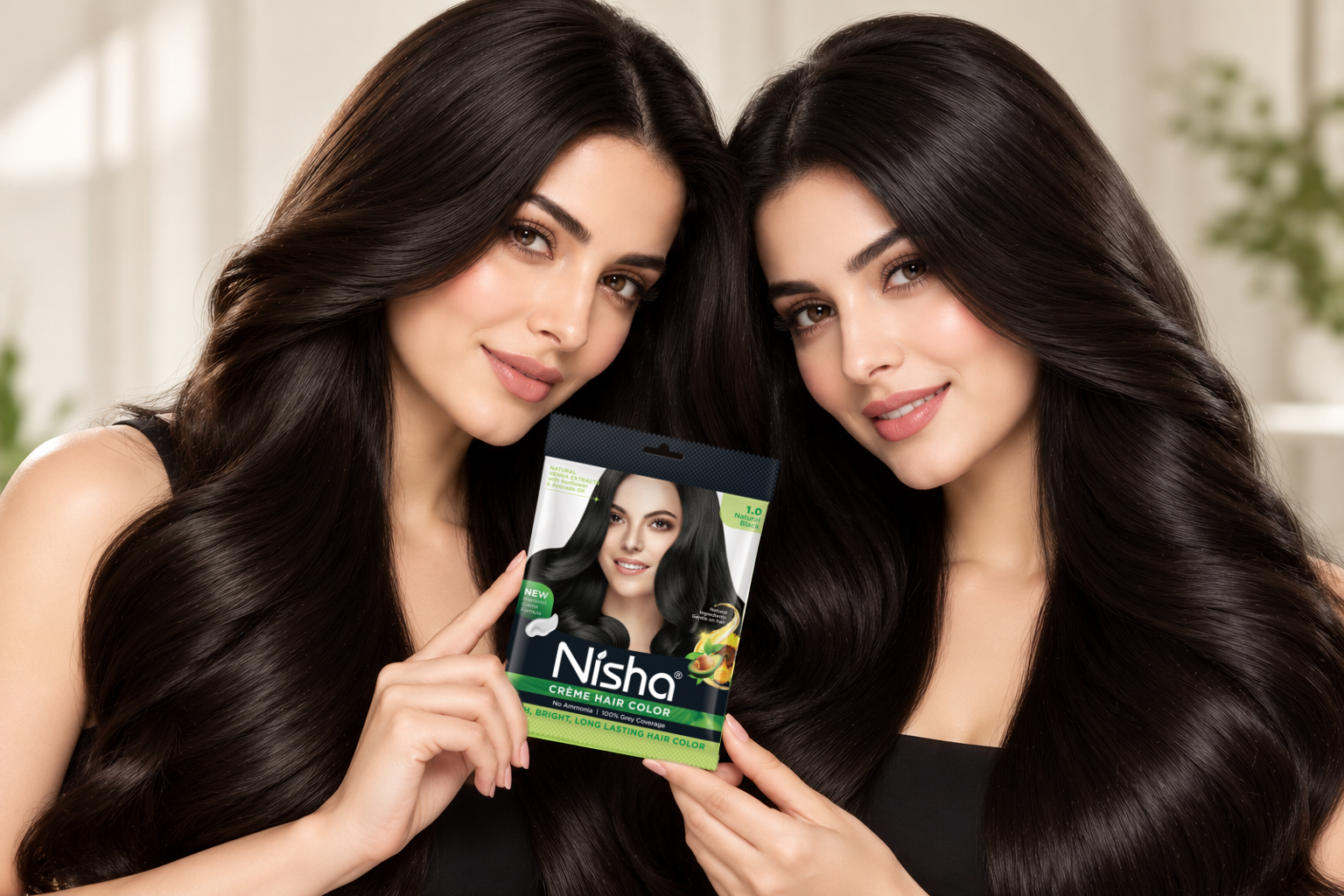
When comparing natural black vs dark brown hair color for grey hair, the better choice depends mainly on your natural hair color and how much...
What is the best hair color for 100% grey coverage? The right choice is a hair color specifically formulated for complete grey coverage, available in...
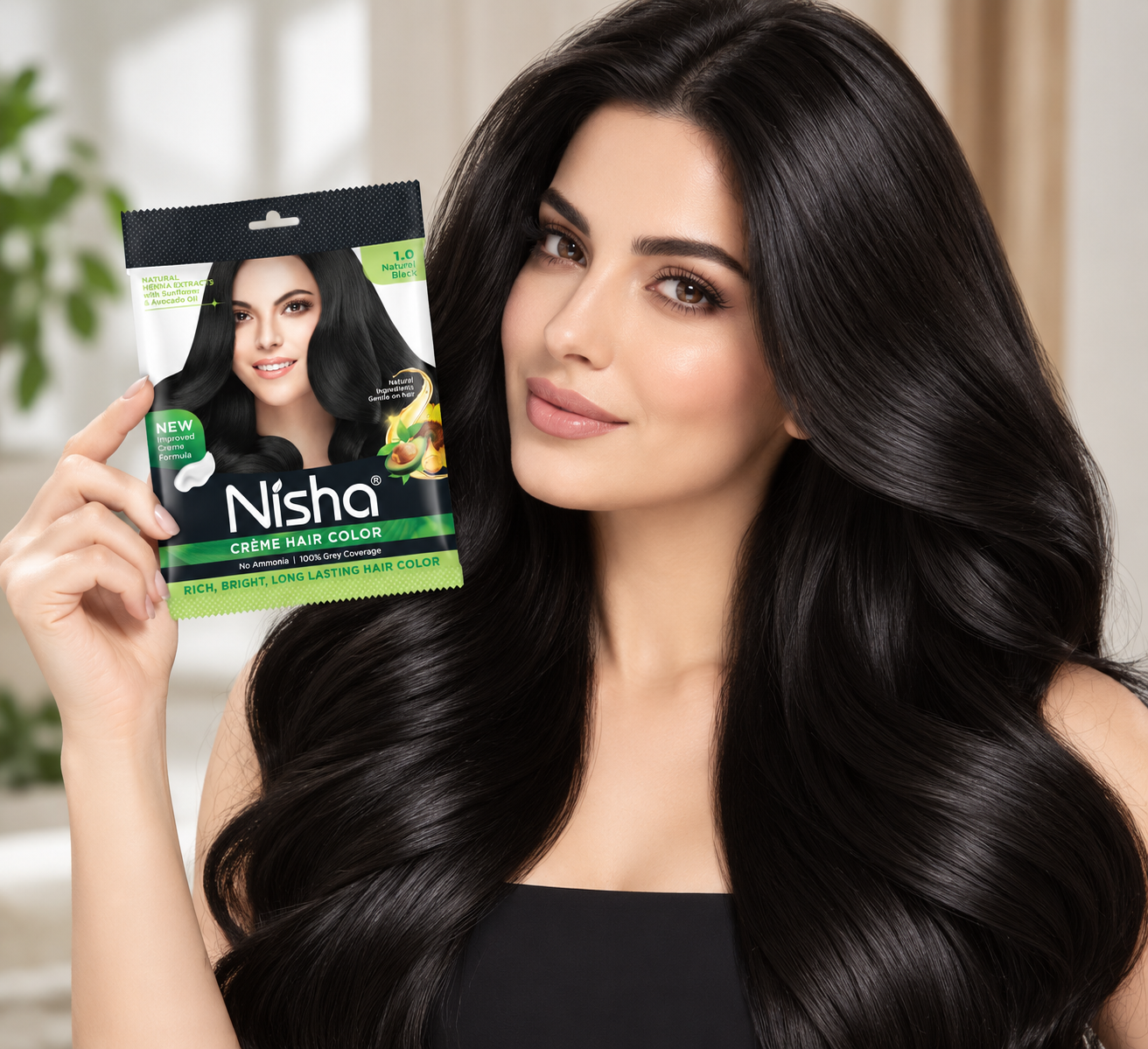
Which is the best hair color brand for grey hair in India? There is no single brand that is best for everyone. A good hair...