
Most Popular Hair Colour Trends for Dark Hair in 2026
Hair colour trends for dark hair in 2026 are all about rich shades, natural shine, and stylish transformations. Whether you have black, dark brown, or...


Category:Hair Color
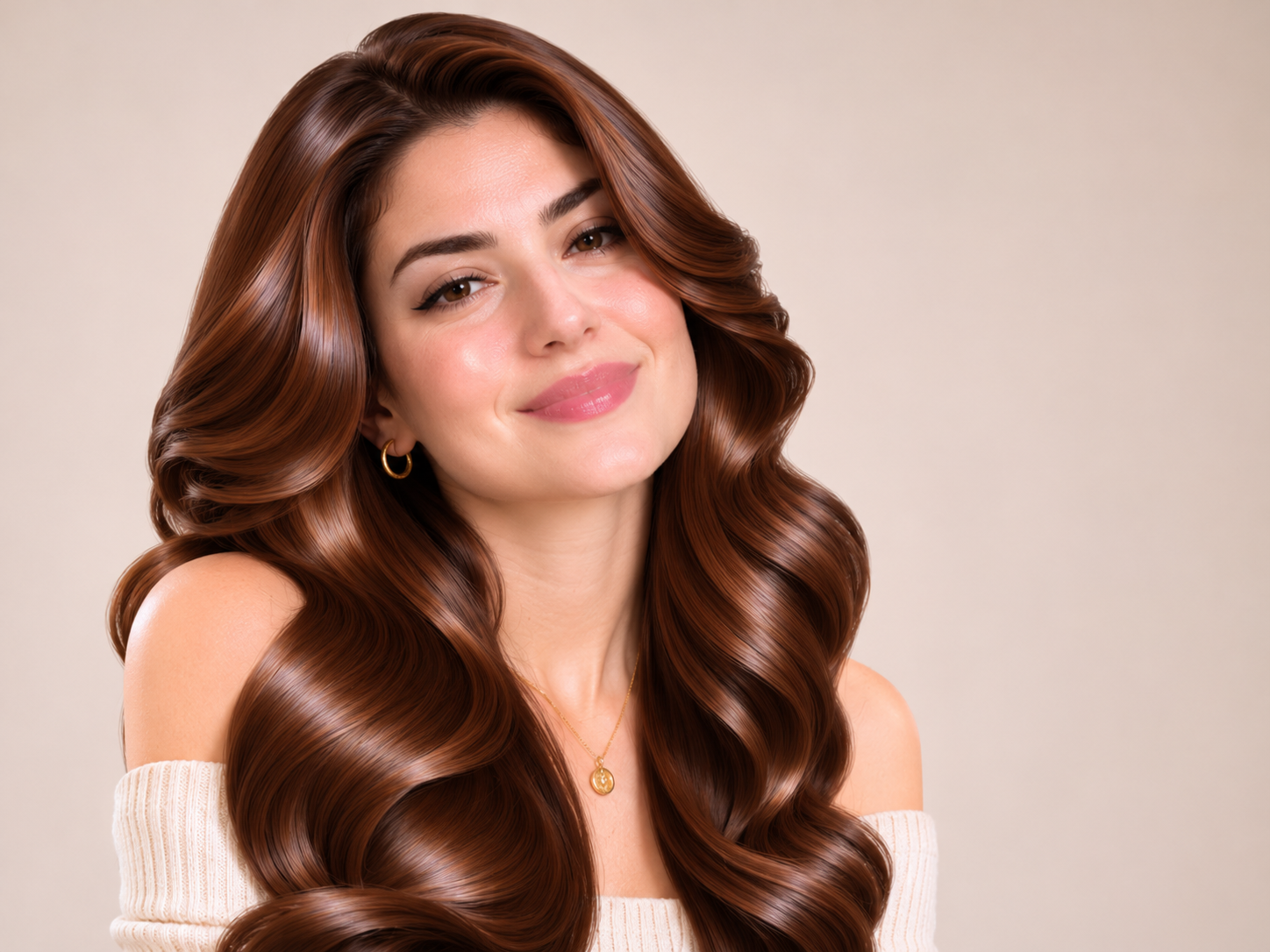
Yes, hair color can be applied over previously colored hair, but the results depend on your existing hair color, hair condition, and the new shade you want to achieve. Whether you want to cover grey hair, refresh faded color, or change your look, understanding how recoloring works is important.
Applying a new hair color over existing dye is different from coloring natural hair. Previously colored hair already contains artificial pigments, which can affect how the new shade develops.
In this guide, we explain how to apply hair color over previously colored hair, choose the right shade, avoid common mistakes, and maintain beautiful results.
Yes, you can recolor previously dyed hair, provided your hair is in suitable condition and you choose an appropriate coloring method.
However, applying a new shade does not always remove or replace the existing color.
The most important point is that permanent hair color generally cannot reliably lighten previously applied permanent hair dye.
For different coloring needs, you can choose from a range of best hair color products available in multiple shades and formulations.
When you apply hair dye over previously colored hair, the new formula interacts with the existing artificial pigments and your hair’s condition.
Repeatedly applying permanent color over already dyed lengths can cause pigment buildup. This may make your hair appear darker than expected.
Previously colored hair can have different levels of porosity. Damaged or porous sections may absorb color differently, leading to uneven results.
Repeated chemical processing can increase dryness, roughness, and breakage, especially if your hair is already damaged.
The existing hair color influences the final result. A shade shown on the packaging may look different when applied over previously dyed hair.
Recoloring your hair requires careful preparation. Follow these steps to achieve a more even and attractive finish.
Before applying a new shade, identify your current hair color.
Check whether your hair is black, brown, burgundy, blonde, or another shade. Also notice whether the color is faded or uneven.
If your hair has been bleached, highlighted, or chemically treated, additional precautions may be necessary.
Healthy hair generally handles coloring better than severely damaged hair.
Check for excessive dryness, breakage, brittleness, or a stretchy texture when wet.
If your hair is significantly damaged, avoid further chemical processing until a professional has assessed its condition.
Selecting the correct shade is essential when applying hair dye over existing color.
For a natural-looking transformation, choosing a similar shade or going darker is often easier than trying to lighten previously colored hair.
Nisha Crème Hair Color offers options such as natural black, dark brown, natural brown, and burgundy shades.
Always consider your existing color before choosing a new one.
Follow the manufacturer’s instructions for an allergy alert test before coloring, even if you have used the product previously.
A strand test is also important because it helps you understand how the new color may appear over your existing shade.
These tests serve different purposes and should not be skipped.
Follow the product’s instructions regarding washing and drying your hair.
Divide your hair into manageable sections for controlled application.
Avoid applying unnecessary products or oils immediately before coloring unless recommended by the manufacturer.
Apply the hair color according to the instructions for your chosen formula.
If you are covering grey roots, concentrate on the new growth rather than repeatedly coloring the entire hair length.
If the lengths also need refreshing, follow the product’s specific recoloring directions or consult a professional.
Do not leave hair dye on longer than instructed.
Extra processing time does not guarantee better color and may increase the risk of hair damage.
After processing, rinse thoroughly and use the recommended conditioner or post-color treatment.
Applying a lighter hair color over previously dyed dark hair is challenging.
For example, if your hair has been colored black, applying a golden brown or light brown permanent dye will usually not lighten the existing artificial pigment sufficiently.
You may need professional color removal or lightening to achieve the desired shade.
Avoid experimenting with strong developers or bleaching products at home, especially if your hair has undergone repeated coloring.
A professional colorist can assess whether your desired transformation is achievable without excessive damage.
There is no single waiting period suitable for every hair type or coloring product.
For routine permanent color maintenance, many people schedule root touch-ups approximately every 4–6 weeks, depending on hair growth and grey coverage needs.
However, if your hair feels damaged, dry, or fragile, waiting longer may be necessary.
Correcting an unwanted shade may require professional attention rather than simply applying another box of hair dye.
Avoid these common mistakes when applying hair color over previously colored hair:
For additional guidance, read these hair color tips for frequent users to understand how to maintain colored hair while reducing unnecessary processing.
Maintaining your hair color is important for keeping it vibrant and your hair manageable.
Use a gentle shampoo suitable for colored hair and follow with conditioner to maintain softness.
Limit excessive heat styling, and use heat protection when necessary.
Avoid frequent washing with harsh cleansing products, as this may accelerate color fading.
Regular conditioning treatments can help improve the appearance of dry, chemically treated hair.
Most importantly, avoid repeatedly coloring the entire length when only the roots require attention.
Yes, permanent hair color can be applied over previously colored hair when the hair is in suitable condition. However, the existing shade affects the final result, and repeated processing may cause damage.
You can apply it, but brown dye usually cannot noticeably lighten previously dyed black hair. Professional color removal or lightening may be required.
It can. Repeated application may cause pigment buildup, particularly on already colored lengths, resulting in a darker or uneven appearance.
Yes. If you want to refresh your existing shade or choose a darker color, bleaching may not be necessary. Significant lightening often requires additional processing.
Coloring severely damaged hair can increase breakage and dryness. It is better to improve the hair’s condition and seek professional advice before applying another chemical treatment.
Hair color can be applied over previously colored hair, but choosing the correct shade, understanding existing pigments, and checking hair condition are essential for achieving satisfactory results.
Whether you want to cover grey roots, refresh faded color, or move to a darker shade, careful application helps reduce unwanted color buildup and unnecessary damage.
Choose suitable hair color shades and formulations based on your coloring needs, follow the product instructions, and maintain a consistent hair care routine for beautiful, long-lasting hair color.
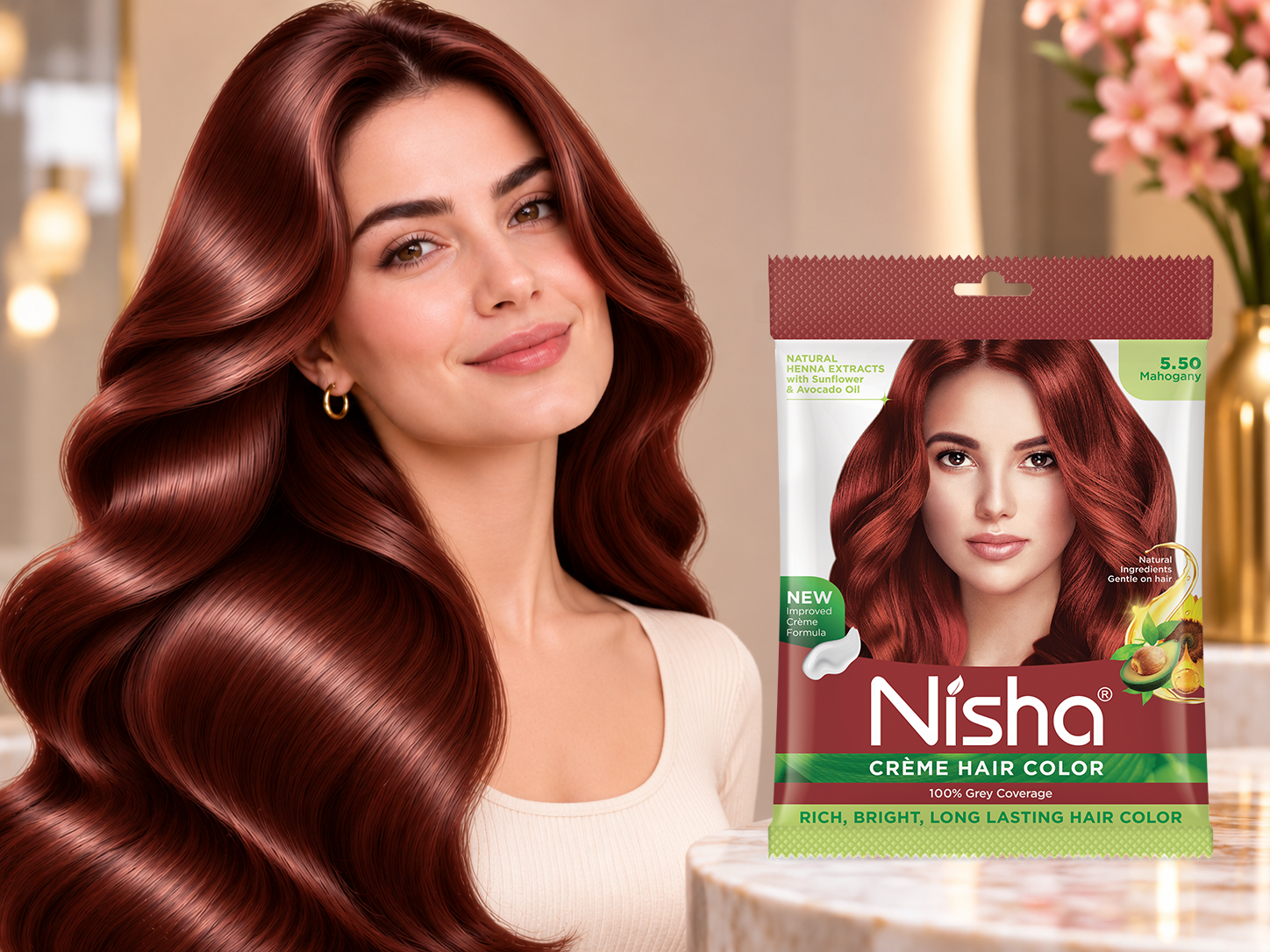
Hair colour trends for dark hair in 2026 are all about rich shades, natural shine, and stylish transformations. Whether you have black, dark brown, or...
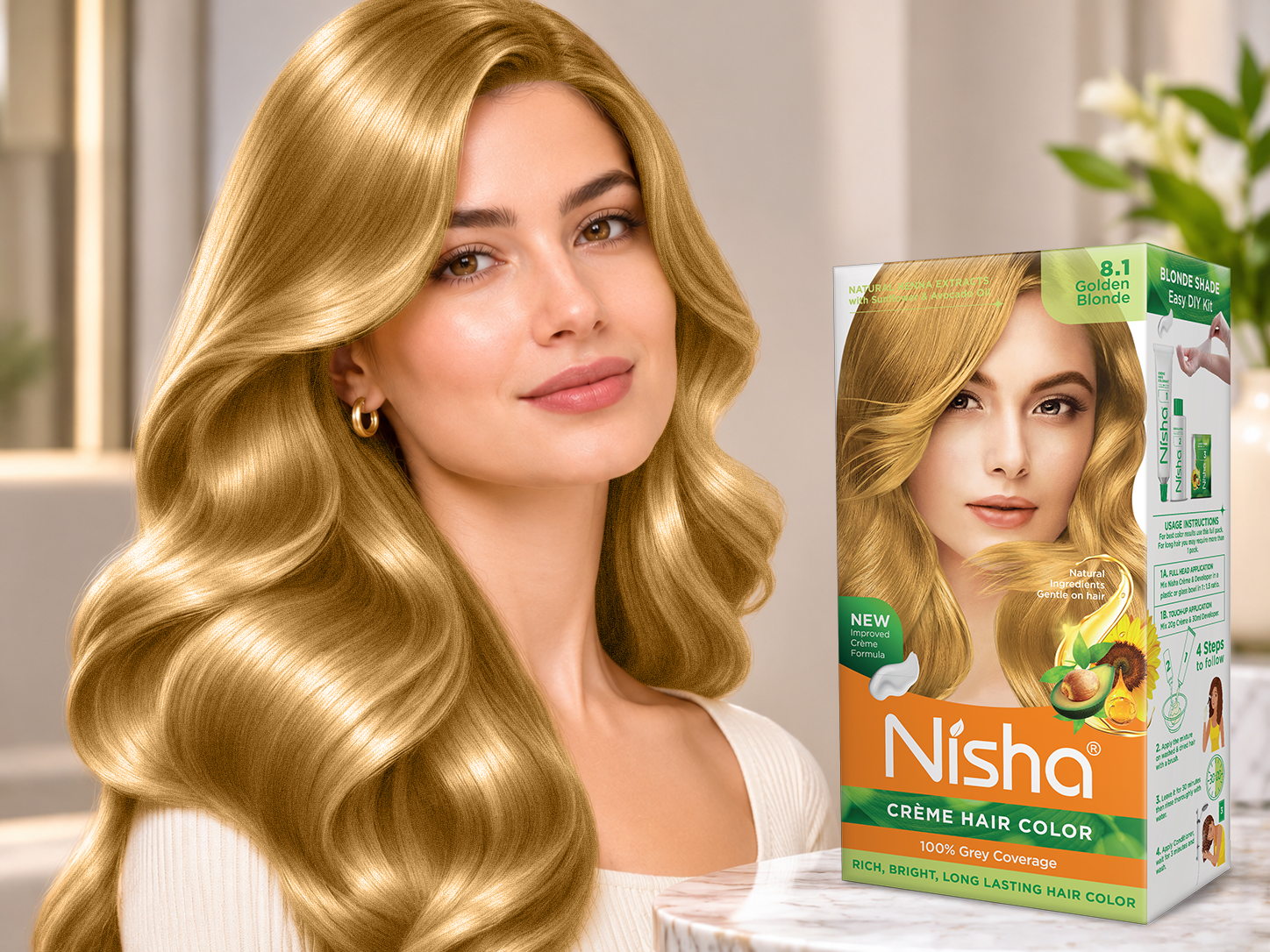
Blonde hair colour is becoming a popular choice for people who want a stylish and modern hair transformation. In 2026, blonde hair colour trends are...
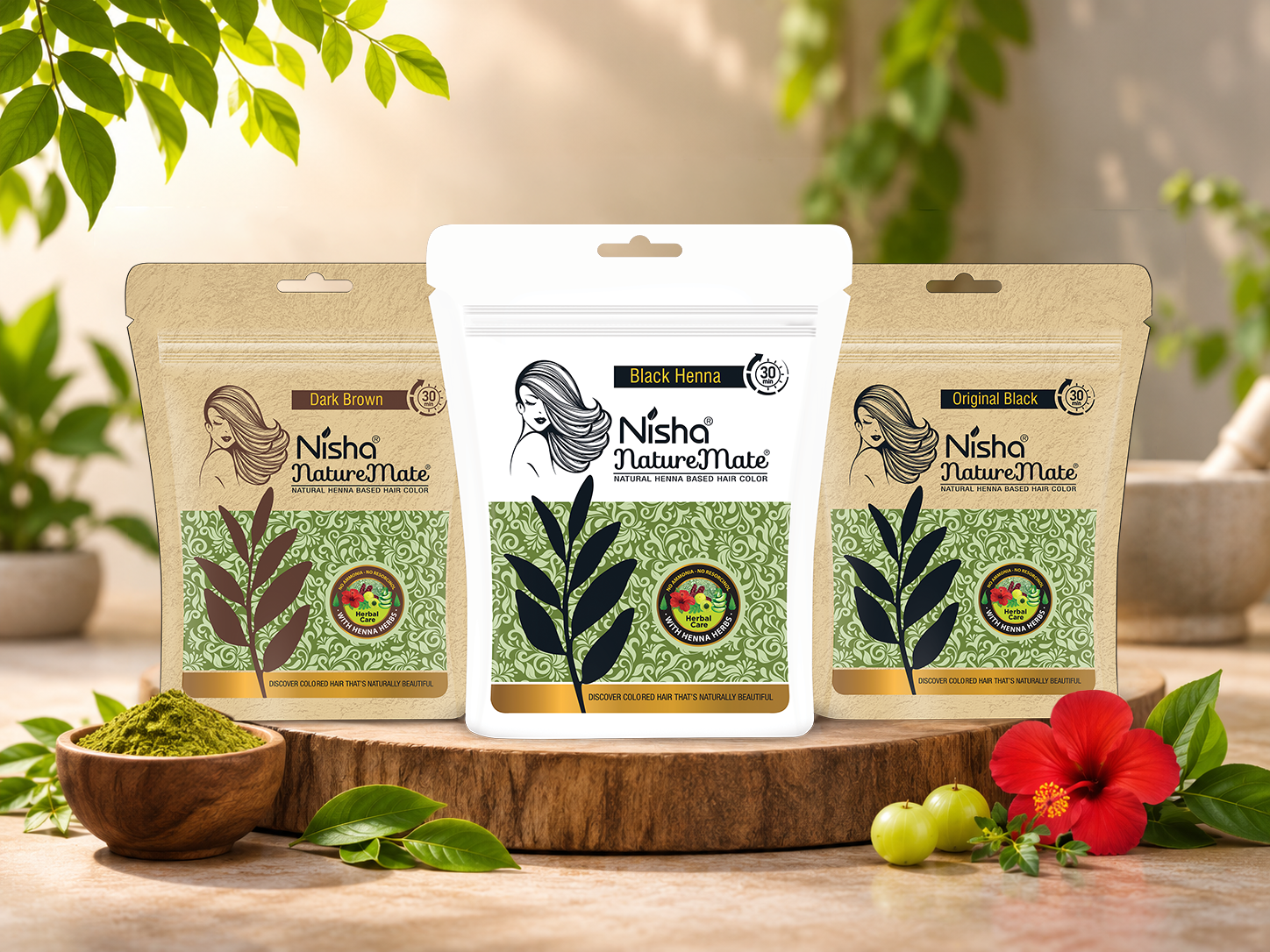
Grey hair is a natural part of ageing, but many people prefer maintaining their original hair color for a fresh and youthful appearance. Choosing the...