
How to Choose Hair Colour for a Low-Maintenance Beauty Routine
Colouring your hair is a great way to refresh your appearance, cover grey strands and add a new touch to your overall look. However, frequent...


Category:Hair Color
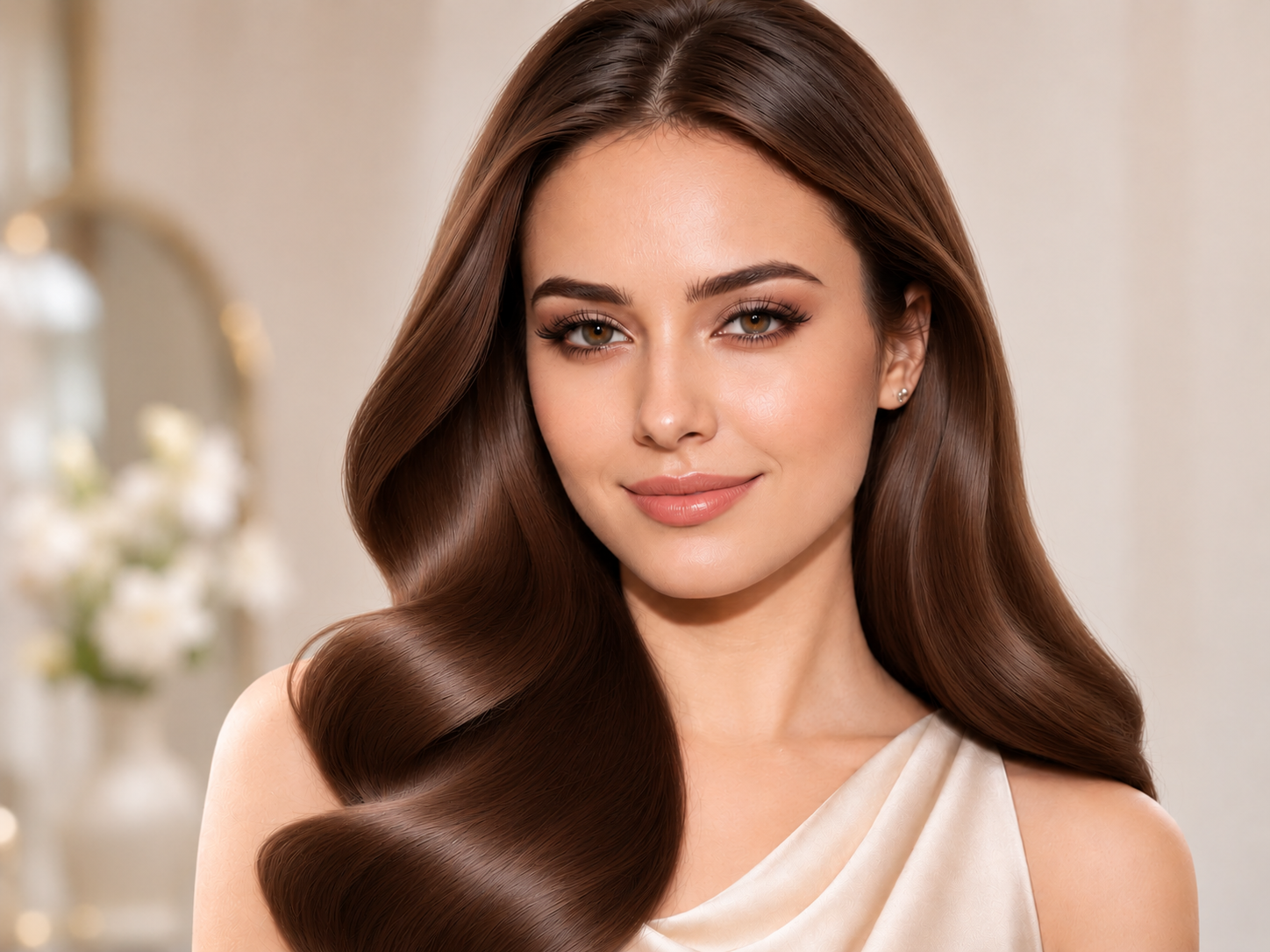
Getting the perfect hair colour is exciting, but maintaining its shine and vibrancy can sometimes be challenging. You may notice that your hair looks dull, feels rough or becomes difficult to manage after a few washes. One possible reason could be the water you use every day.
Hard water contains minerals such as calcium and magnesium, which can leave deposits on your hair over time. These deposits may affect hair texture, making coloured hair feel dry, rough or less vibrant.
But can hard water affect hair colour results? Does it make hair colour fade faster? And what can you do to protect your coloured hair?
Let’s understand the connection between hard water and hair colour and discover simple ways to maintain beautiful, healthy-looking hair.
Hard water is water that contains high levels of dissolved minerals, mainly calcium and magnesium. It is commonly found in areas where groundwater passes through mineral-rich rocks.
When you wash your hair with hard water regularly, these minerals can accumulate on the hair surface.
This buildup may cause:
For coloured hair, these effects can make your hair look less shiny and affect the overall appearance of your chosen shade.
Yes, hard water may affect the appearance and maintenance of coloured hair. However, it is important to understand that mineral buildup does not automatically mean your hair colour will fade.
Here are some ways hard water may influence your hair colour results.
Mineral deposits can collect on the hair surface and make strands appear coated or less shiny. As a result, even freshly coloured hair may lose some of its brightness and look dull.
Hard water can leave mineral deposits that affect the feel and manageability of hair. Coloured hair that is already dry or chemically treated may become more difficult to manage.
When hair becomes rough, dull or coated with mineral buildup, the colour may not look as fresh and vibrant as it did immediately after colouring.
Mineral deposits can contribute to tangling, roughness and frizz. This can make coloured hair difficult to comb and style.
Research has identified increased mineral deposits on hair exposed to hard water, although direct evidence that hard water always causes hair dye to fade faster remains limited.
If you regularly use hard water, look for these common signs:
Remember that these signs can also result from unsuitable hair products, excessive washing or previous chemical treatments. Hard water is one possible factor.
You do not need to change your hair colour routine completely. A few simple hair care habits can help maintain the appearance and condition of coloured hair.
First, check whether your household water is hard or soft.
You can use a water hardness testing kit or contact your local water supplier. If your hair regularly feels coated or rough after washing, checking the water quality can help identify a possible reason.
Choosing the right shampoo is important for maintaining clean, manageable hair.
Avoid using harsh cleansing products too frequently, especially if your hair is coloured and already feels dry.
Choose a shampoo according to your hair type and condition. For everyday hair cleansing, you can consider Nisha Shampoo, which offers different variants for specific hair care needs.
If mineral buildup is a concern, ask a hair care professional about using a suitable chelating shampoo. Follow its instructions, particularly if your hair is freshly coloured.
Conditioning helps improve the softness and manageability of coloured hair.
Apply conditioner mainly to the mid-lengths and ends. Leave it on for the recommended time and rinse properly.
This step helps reduce tangling and makes hair easier to comb and style.
A suitable shower filter may help reduce certain impurities or mineral-related deposits, depending on its filtration technology.
However, not every shower filter removes calcium and magnesium. Check the product specifications before purchasing one.
A water softener designed for hard water may be more effective at reducing water hardness.
Hot water can make hair feel drier, particularly when it is already chemically treated.
Use lukewarm water while washing your hair and finish with a comfortable cool-water rinse.
This simple habit can help make your hair feel smoother and more manageable.
Coloured hair needs regular care to maintain its softness and shine.
Use nourishing hair care products according to your hair’s condition. You can consider Yuthika Total Nourishing Shampoo as part of a regular cleansing routine.
Avoid excessive heat styling and use a suitable hair serum when needed to improve smoothness and manageability.
The visible effects of mineral buildup can vary depending on your hair condition, colour treatment and washing habits.
| Hair Colour Type | Possible Effect |
| Dark Brown Hair Colour | Hair may appear dull or less shiny. |
| Black Hair Colour | Mineral deposits may reduce its glossy appearance. |
| Blonde Hair Colour | Buildup may make hair look less bright. |
| Burgundy Hair Colour | Dullness may affect the appearance of colour vibrancy. |
| Henna-Based Hair Colour | Hair may feel coated or rough due to mineral deposits. |
The actual results depend on your hair’s porosity, previous treatments, water quality and hair care routine.
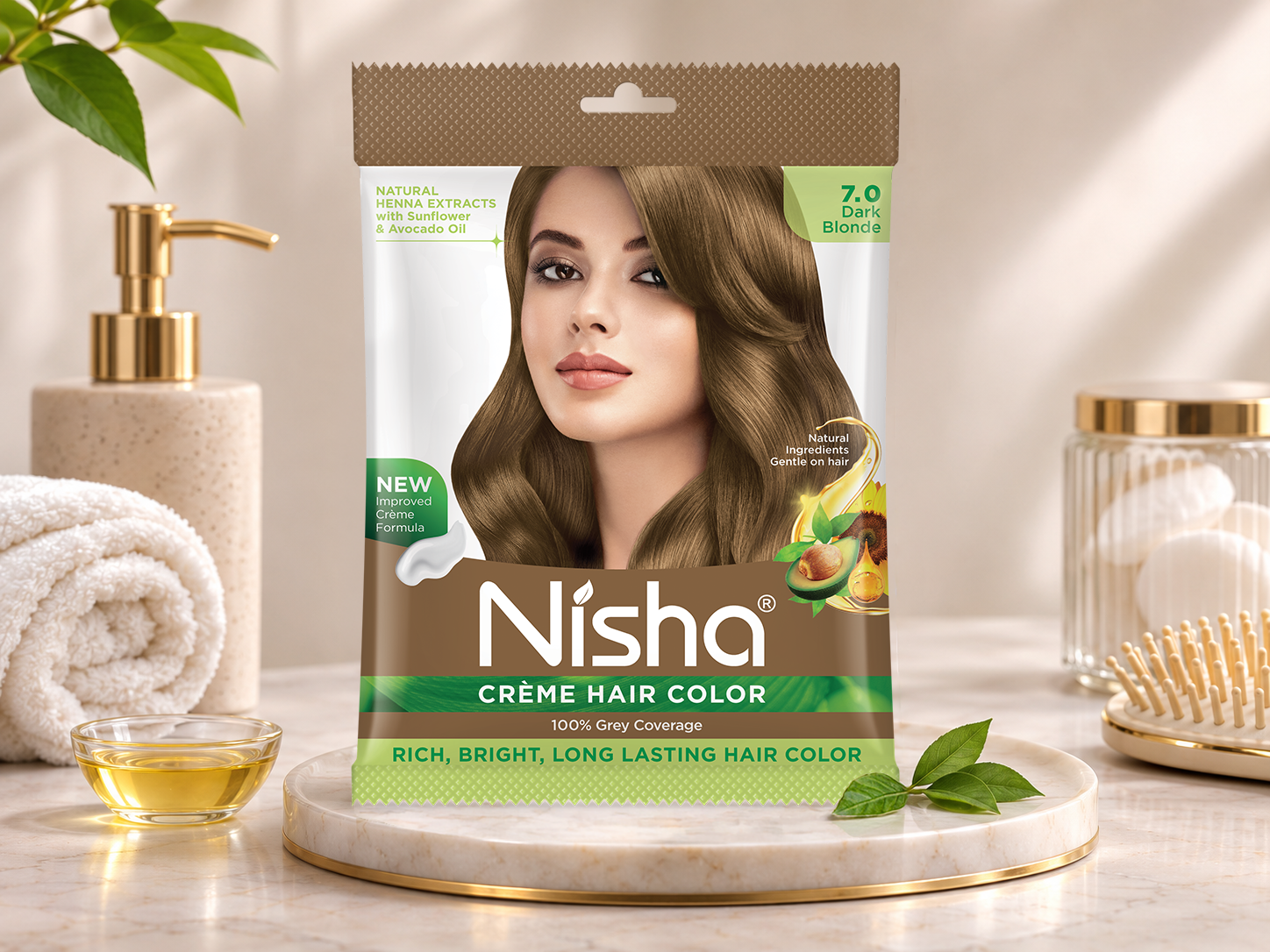
If you are planning to colour your hair, choosing a suitable product is equally important. For different shade options and grey coverage, check the Nisha Crème Hair Color range.
Even with the right hair colour, certain habits can affect the overall appearance of your hair.
Avoid these common mistakes:
Following a balanced hair care routine can help maintain the appearance of your hair colour for longer.
Here are some additional tips to keep your coloured hair looking fresh:
Consistency is important. Healthy hair care habits can help maintain shine, softness and beautiful-looking colour.
Hard water may contribute to mineral buildup and dull-looking hair. However, there is limited direct evidence that it universally causes faster hair dye fading. Washing frequency, hair porosity and colour formulation also influence colour retention.
Dryness, roughness, frizz, tangling and a coated feeling may indicate mineral buildup. A water hardness test can help determine whether hard water is contributing to the problem.
Choose a suitable shampoo based on your hair type and colour treatment. If you suspect mineral buildup, consider a compatible chelating shampoo after consulting a hair care professional.
Cool or lukewarm water is generally preferable to very hot water because excessive heat can contribute to dryness. However, cold water alone cannot prevent colour fading.
Yes. You can colour your hair even if your household water is hard. Follow the product instructions, maintain a suitable hair care routine and manage mineral buildup to keep your hair looking healthy and vibrant.
Hard water can contribute to mineral buildup, dryness, roughness and dull-looking hair. While it does not automatically cause hair colour to fade, it may affect the overall appearance and manageability of coloured hair.
The key is to understand your water quality and follow a consistent hair care routine. Choose suitable shampoo and conditioner, avoid excessive heat and take steps to manage mineral buildup.
With the right hair colour products and regular hair care, you can maintain soft, smooth, shiny and beautiful-looking coloured hair for longer.
Colouring your hair is a great way to refresh your appearance, cover grey strands and add a new touch to your overall look. However, frequent...

Choosing the right hair colour can make a big difference to your overall appearance. Whether you work in a corporate office, manage a business, attend...
Getting the perfect hair colour is exciting, but maintaining its shine and vibrancy can sometimes be challenging. You may notice that your hair looks dull,...