
How to Choose Hair Colour for a Low-Maintenance Beauty Routine
Colouring your hair is a great way to refresh your appearance, cover grey strands and add a new touch to your overall look. However, frequent...


Category:Hair Color
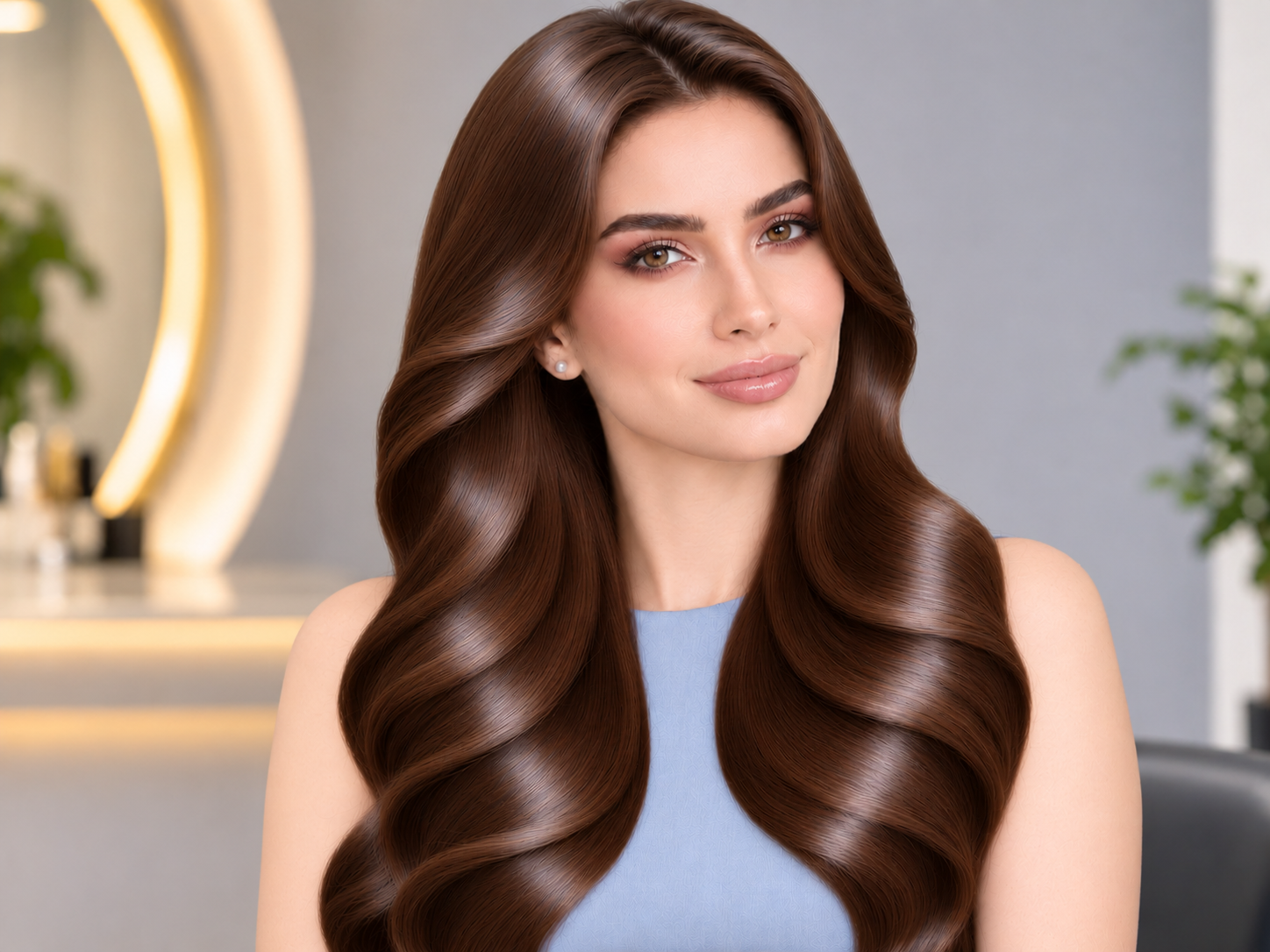
Have you noticed that your hair has different shades from roots to ends? Some areas may look darker, while others appear lighter, reddish or grey. This can happen due to previous colouring, sun exposure, natural hair variations or the gradual appearance of grey hair.
Choosing the right hair color for multiple shades can feel confusing because one colour may look different on different sections of your hair. The right shade selection and proper application can help you achieve a more balanced and natural-looking result.
Whether you have grey roots, dark lengths, faded ends or previously coloured hair, understanding your hair colour condition is the first step towards choosing the right shade.
Let’s understand how to choose the best hair colour when your hair has multiple shades.
Before choosing a hair colour, it is important to understand why your hair looks uneven.
Some common reasons include:
Identifying the reason helps you select a suitable hair colour and understand what results to expect.
Start by checking your hair under natural daylight. Look at your roots, middle sections and ends separately.
Ask yourself:
For example, if your roots are naturally black but your ends are light brown, choosing a shade that complements both sections is important.
Understanding your existing hair colour helps avoid unexpected results.
Your previous colouring history plays an important role in choosing a new shade.
If you have previously used permanent hair colour, the existing artificial pigment may affect your next colour result.
Consider these situations:
Remember, applying a lighter shade over previously coloured dark hair does not necessarily make it lighter. Professional colour correction may be required for significant differences.
When your hair has multiple shades, selecting a colour close to your natural base is often a practical starting point.
Avoid choosing a shade only by looking at the colour displayed on the product packaging. Your existing hair colour, previous treatments and hair condition can influence the final result.
Here are some popular shade options:
| Hair Colour Shade | Suitable For |
| Natural Black | Those who prefer a classic black look |
| Dark Brown | Those looking for a rich, natural brown appearance |
| Natural Brown | Those who prefer a softer brown tone |
| Light Brown | Those looking for a lighter brown appearance |
| Chocolate Brown | Those who like warm, rich brown tones |
| Burgundy | Those who prefer a noticeable reddish tone |
You can consider different crème hair colour shades to find an option that complements your preferred look.
Grey hair can make your overall hair colour appear uneven, especially when darker natural hair is growing alongside white strands.
If grey coverage is your main concern, consider a suitable natural shade rather than selecting a fashion shade alone.
Natural Black, Original Black, Dark Brown and Natural Brown are options to consider depending on your preferred result.
Nisha Crème Hair Color offers different shade options, including natural and fashion shades, for people looking for an at-home colouring solution.
Always follow the product instructions and perform a strand test to check how the selected shade develops on your hair.
Hair condition is just as important as shade selection.
Dry, damaged or chemically treated hair may absorb colour unevenly. This can make certain sections look darker or more intense than others.
Before colouring:
If your hair has major colour differences, consulting a professional colourist can help you achieve a more balanced result.
Even the right hair colour may produce uneven results if it is not applied properly.
For at-home colouring, follow these basic steps:
Do not randomly increase the processing time or repeatedly apply colour to the same section. This may affect your hair condition and final result.
After colouring, maintaining your hair properly helps keep it looking fresh and vibrant.
Follow these simple hair care tips:
If you are looking for a suitable shade, you can also consider Natural Brown Crème Hair Color for a rich brown appearance.
Avoid these common mistakes to get more predictable colouring results:
Remember, the best hair colour is not always the lightest or darkest shade. It is the one that suits your existing hair colour, condition and desired appearance.
A shade close to your natural hair colour is often a good starting point. Natural Black, Dark Brown and Natural Brown are popular options. However, the right choice depends on your existing colour and previous colouring history.
Yes, but the result depends on the existing artificial pigment, hair condition and new shade. Applying a lighter colour over previously coloured dark hair may not produce the expected lighter result. Professional advice is recommended for significant colour changes.
Start by identifying the colour difference between your roots, middle sections and ends. Choose a suitable shade, perform a strand test and follow the correct application method. Severely uneven hair may require professional colour correction.
Natural shades such as Natural Black, Original Black and Dark Brown can be considered for grey coverage. The final result depends on the percentage of grey hair, natural base colour and product instructions.
It depends on your desired appearance and current hair colour. A shade closer to your natural base may offer a more natural-looking result. However, previously coloured hair may need professional correction before moving to a lighter shade.
Choosing the right hair colour when your hair has multiple shades starts with understanding your existing hair colour, previous treatments and hair condition. From selecting a suitable shade to following the correct application method, every step matters in achieving a balanced and natural-looking appearance.
Whether you want to cover grey strands, refresh faded lengths or achieve a new look, always choose a hair colour that complements your hair and colouring requirements.
With the right shade selection, proper application and regular hair care, you can enjoy beautiful, vibrant and healthy-looking coloured hair.
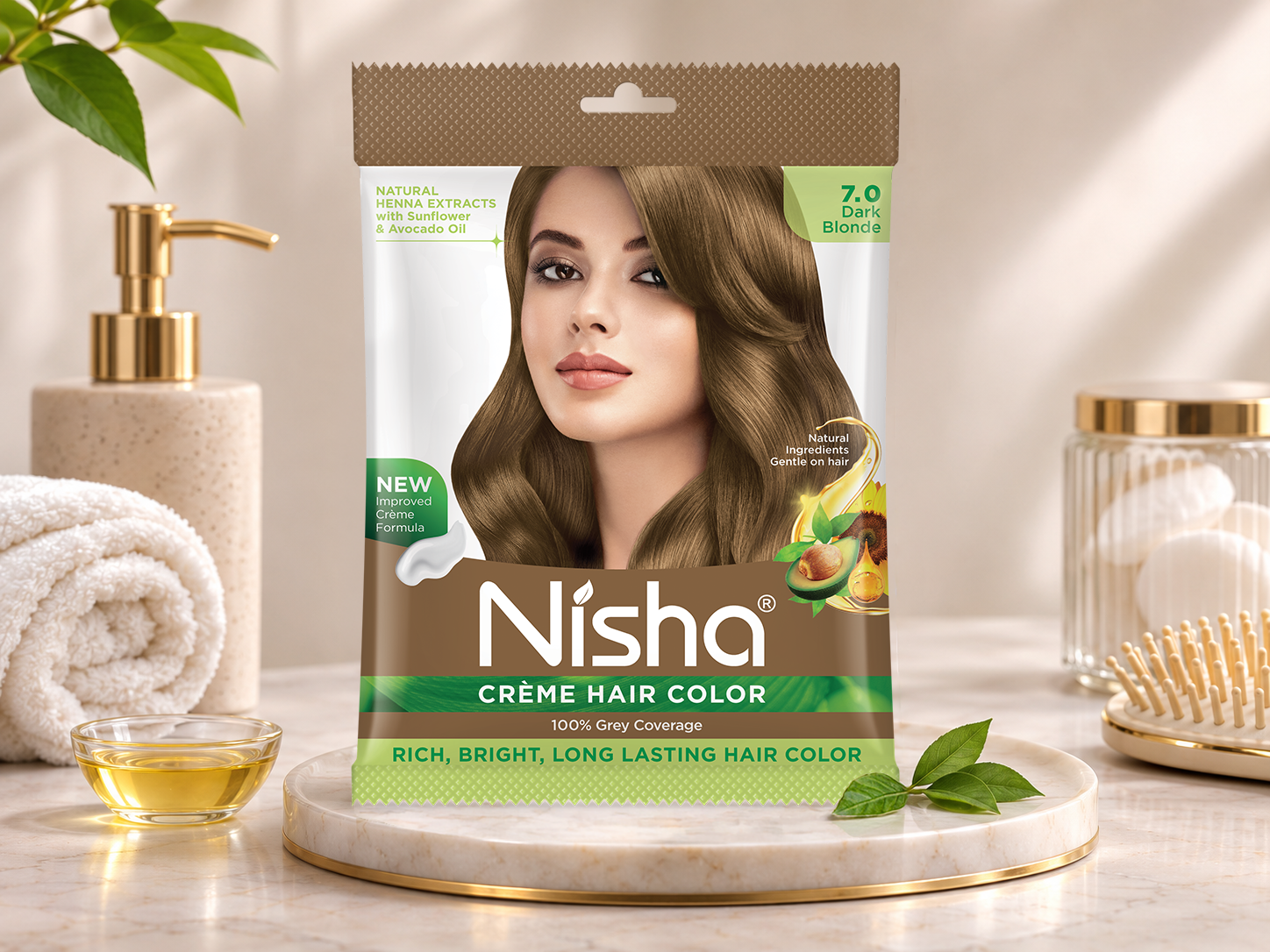
Colouring your hair is a great way to refresh your appearance, cover grey strands and add a new touch to your overall look. However, frequent...
Choosing the right hair colour can make a big difference to your overall appearance. Whether you work in a corporate office, manage a business, attend...
Getting the perfect hair colour is exciting, but maintaining its shine and vibrancy can sometimes be challenging. You may notice that your hair looks dull,...