
Hair Color for Indian Weather: How to Maintain Colour All Year
India experiences different weather conditions throughout the year. Hot summers, humid monsoons, strong sunlight and dry winters can all affect the appearance and feel of...


Category:Hair Color
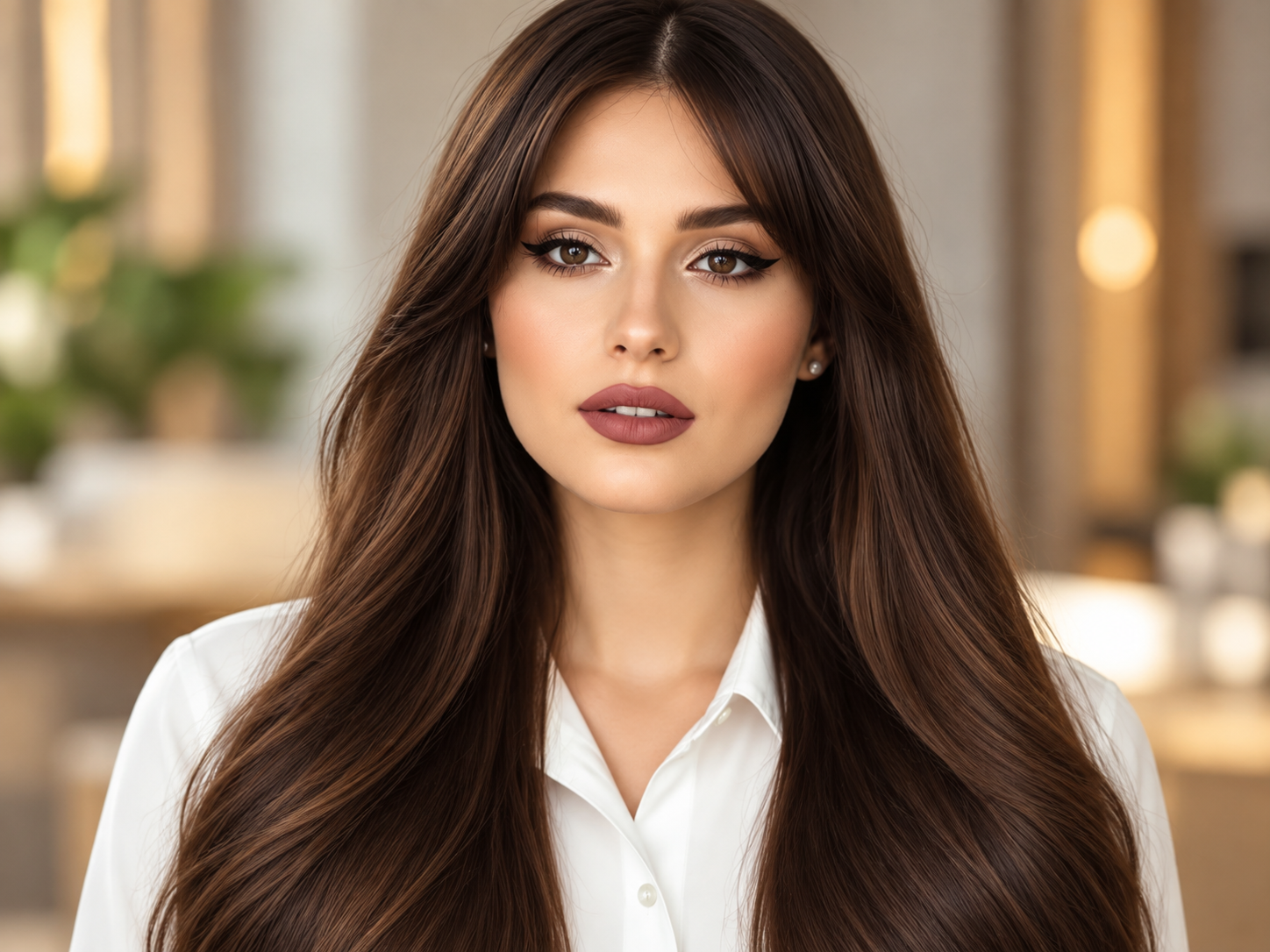
Colouring your hair can refresh your appearance, cover grey hair and add a new dimension to your look. However, getting the right shade is only the first step. What you do after colouring plays an important role in maintaining its appearance, softness and shine.
A simple aftercare routine can help reduce unnecessary dryness, protect your strands from excessive heat and environmental exposure, and keep your colour looking fresh for longer. Whether you have coloured your hair at home or at a salon, these easy steps can become part of your regular routine.
Colour-treated hair needs thoughtful care because frequent washing, heat styling, sunlight and other environmental factors can affect both hair condition and colour appearance. Proper aftercare focuses on gentle cleansing, regular conditioning, nourishment and protection.
The right routine also depends on your hair texture, the type of colouring product used and how often you wash your hair. Following the instructions supplied with your colouring product is always important, especially immediately after application.
The first step after colouring is to follow the instructions provided with your product. Different formulations may have different rinsing and conditioning requirements.
Rinse the hair thoroughly as directed and make sure no unwanted product residue remains on the scalp or hair. Avoid extending the processing time during application, as leaving colour on longer than instructed does not necessarily improve the result.
If you have used a specific colouring product, follow its packaging instructions rather than applying a generic aftercare routine immediately.
Frequent washing can gradually affect colour vibrancy. Instead of washing your hair every day, adjust your routine according to your scalp and hair needs.
When you do wash your hair, concentrate shampoo on the scalp and allow the lather to cleanse the lengths without excessive rubbing. Use lukewarm or cooler water instead of very hot water for a more comfortable and gentle routine.
For regular cleansing, choose a shampoo suitable for your hair type. The range of Nisha shampoos includes options formulated with ingredients such as egg protein, almond and olive actives, and avocado and Brahmi actives for different hair needs.
Conditioning is one of the simplest ways to keep hair colour feeling soft and manageable. Apply conditioner mainly to the mid-lengths and ends, where the hair can feel drier.
Leave the conditioner on for the recommended time and rinse thoroughly. Regular conditioning can help improve softness, smoothness and manageability.
Do not skip conditioning simply because your hair feels fine immediately after colouring. Consistent care is more useful than waiting until your hair becomes noticeably dry.
Colour-treated hair can benefit from additional nourishment, particularly when it feels dry, rough or difficult to manage.
Depending on your hair type, you can include a nourishing hair mask or suitable oil treatment once a week. Avoid applying unnecessary chemical treatments too frequently, especially when the same lengths have already been processed.
A consistent routine of cleansing, conditioning and nourishment can help maintain the overall look and feel of hair colour. Regular hair masks are also commonly recommended as part of a nourishing hair-care routine.
Frequent use of straighteners, curling irons and high-temperature blow-drying can affect the condition of your hair. Coloured hair can benefit from reducing unnecessary heat exposure.
When you need to use styling tools, use an appropriate heat-protection product and avoid keeping high heat on one section for too long.
For everyday smoothness, a lightweight serum can also help make hair easier to manage. Nisha Professional Eversilk Serum is described as a lightweight serum that provides smoothness, shine and easier detangling, while helping protect hair from everyday stressors such as heat styling and pollution.
Sun exposure is another factor to consider when maintaining hair colour. Extended exposure can contribute to changes in colour appearance over time.
When spending long periods outdoors, consider covering your hair with a scarf, hat or other suitable protection. This is especially useful during long outdoor activities or strong sunlight.
Simple protective habits can reduce unnecessary environmental stress and help your hair maintain a polished appearance.
One common mistake after colouring is performing several chemical treatments too close together.
Avoid repeatedly colouring the same lengths unless the product instructions or a professional recommends it. If your main concern is new grey growth, you may only need to refresh the required areas rather than repeatedly processing all of your hair.
Spacing out chemical services can also give your hair time to recover between treatments.
Try to avoid unnecessary daily washing. Your ideal washing frequency depends on your scalp, lifestyle and hair type.
Use products that suit coloured or chemically treated hair. A gentle cleansing and conditioning routine can help maintain softness and manageability.
Dry-looking hair can make your colour appear dull. Regular conditioning, nourishing treatments and a suitable serum can help maintain a smoother appearance.
Use hot tools only when necessary and apply heat protection when styling. Lowering unnecessary heat exposure is a simple way to support healthier-looking strands.
Sun exposure, pollution and harsh weather can affect the appearance and condition of your hair. Protective habits can therefore become an important part of your routine.
Even a good colouring result can lose its fresh appearance when basic aftercare is ignored. Avoid these common mistakes:
A simple routine is usually easier to follow consistently than a complicated one. Focus on cleansing, conditioning, nourishment and protection.
There is no single schedule that works for everyone. Colour longevity depends on the formulation, shade, natural hair colour, hair condition, washing frequency and aftercare routine.
Darker shades may be easier to maintain visually, while some red, copper and fashion shades can require more frequent refreshing. Grey roots may also become noticeable sooner than the rest of the hair.
Instead of recolouring your entire head automatically, assess your roots, lengths and overall colour appearance first.
Follow the instructions provided with your specific colouring product. The recommended rinsing and post-colour routine can vary between formulations.
Avoid unnecessary washing, use suitable hair-care products, condition regularly, reduce excessive heat styling and protect your hair from prolonged sun exposure.
Yes. Regular conditioning can help hair colour remain softer, smoother and easier to manage.
Frequent high-temperature styling can affect hair condition. Use heat protection and reduce unnecessary use of straighteners, curling irons and high-heat blow-drying.
If your hair feels very dry, rough or damaged, avoid unnecessary chemical processing and focus on conditioning and nourishment first. For significant damage or scalp concerns, consult a qualified hair professional.
Good aftercare is essential for keeping hair colour looking fresh, smooth and vibrant. Simple habits such as gentle washing, regular conditioning, nourishing treatments, limited heat styling and protection from the sun can help maintain your colour and overall hair health.
You do not need a complicated routine. Choose suitable hair-care products, understand your hair’s needs and stay consistent with your after-colouring care. With the right attention, your colour can continue to look beautiful while your hair stays soft and manageable.
India experiences different weather conditions throughout the year. Hot summers, humid monsoons, strong sunlight and dry winters can all affect the appearance and feel of...
Your wedding is a special occasion, and every detail of your look matters, including your hair. Whether you want to cover grey hair, refresh your...
Winter can be challenging for coloured hair because cold, dry air can reduce moisture and make the strands feel rough, dull and frizzy. Frequent use...