
Best Herbal Hair Color for Grey Hair: A Simple Guide
Grey hair is a natural part of ageing, but many people prefer to cover grey strands while keeping their hair looking soft, shiny, and healthy....


Category:Hair Color
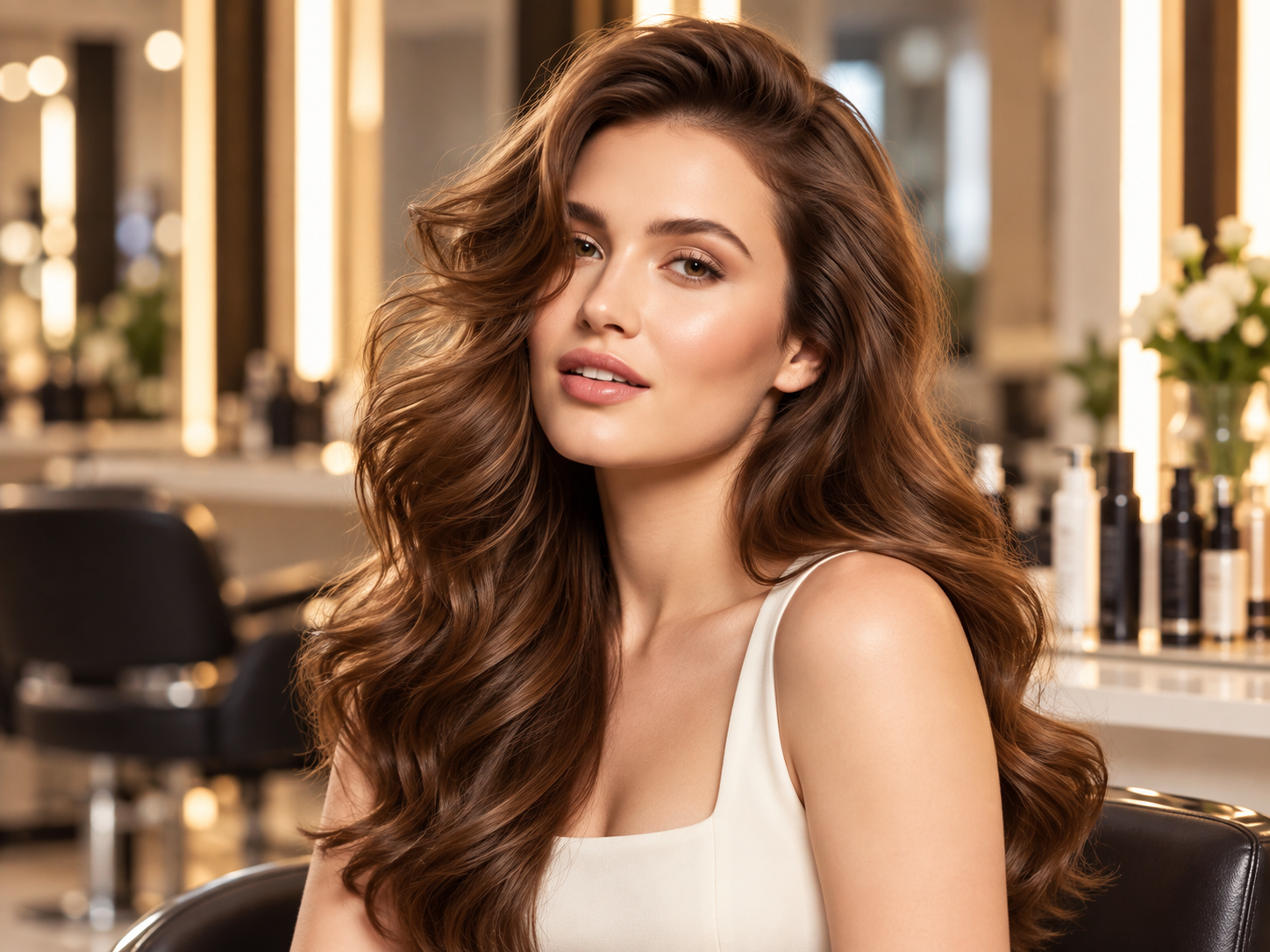
The same hair color can look different on different people because natural hair color, grey coverage, hair texture, porosity, previous coloring, and processing time can affect the final result. Choosing the right shade and understanding your starting hair color can help you achieve a more predictable finish.
Have you ever noticed that the same hair color looks chocolate brown on one person but deeper or warmer on another? This is completely normal. Hair color does not develop in exactly the same way on every head of hair.
Your natural base, existing color, grey percentage, hair condition, and previous treatments can all influence the final appearance. Even when two people use the same shade, their results may have different depth, warmth, or brightness.
Understanding these factors can make it easier to choose a suitable hair color shade and get a result that matches your expectations.
Your starting hair color plays an important role in determining how a new shade appears.
Dark brown or black hair can make lighter shades appear deeper than expected. A brown shade may look subtle and rich instead of appearing very light.
Light or naturally blonde hair can show more visible changes because the color has a lighter base underneath. Warm or fashion shades may also appear brighter.
Grey strands have less natural pigment, so they can sometimes reflect color differently from pigmented hair. The percentage and distribution of grey hair can therefore affect how even the final result looks.
If grey coverage is your main goal, look for a product specifically designed for coverage. The creme hair color range includes shades such as Natural Brown, Dark Brown, Chocolate Brown, Mahogany, Original Black and several blonde and red tones.
Hair porosity refers to how easily your hair absorbs and holds moisture and color.
Damaged, bleached or chemically treated hair may have a more open cuticle. Such hair can absorb color quickly, sometimes making the result look more intense or uneven.
Hair with a tighter cuticle may take longer to absorb products. The final color can appear more subtle depending on the formulation and application process.
This is one reason why hair color results can vary even when the same product and shade are used.
If your hair has been colored before, your current shade may not be the same as your natural shade.
For example, applying a brown shade over previously colored dark hair may produce a different result than applying it to virgin hair. Previous permanent color, highlights, bleach or other chemical treatments can influence how the new shade appears.
Before coloring, consider:
This simple check can help you choose a more suitable hair color for your hair type.
Grey hair has a different structure and pigment level compared with naturally pigmented strands. If you have a mixture of grey and naturally dark hair, the same shade can appear slightly different across different sections.
A brown shade may appear deeper on dark strands and softer or more noticeable on grey strands.
For people looking for grey hair coverage, selecting a shade close to the desired result and following the recommended application process is important.
The Crème Hair Color range offers shades including Natural Black, Original Black, Dark Brown, Natural Brown, Mahogany, Light Brown, Golden Brown and other tones. The product information states that the formula is designed for grey coverage and includes sunflower, avocado and henna extracts.
Straight, wavy, curly and coarse hair can reflect light differently.
Smooth, straight hair may make a shade appear more glossy because light reflects more evenly from the surface. Curly or textured hair can scatter light, making the same color look slightly softer or less reflective.
Hair thickness can also affect the visual result. Fine hair may appear more saturated, while thick hair may show more variation between different sections.
This does not necessarily mean the color is different. Sometimes the difference is simply caused by how light reflects from the hair.
Not every shade will appear exactly like the picture on the box or screen. Product images provide an indication of the expected tone, but your starting hair color remains an important factor.
You can compare available shades before choosing a color. Nisha Natural Brown 4.0 is one of the brown options available in the range.
Following the recommended application instructions is important for achieving consistent results.
Using too little product, applying it unevenly or changing the recommended processing time can affect the final appearance. Always read the product instructions carefully before application.
For the referenced crème color product, the instructions include mixing the crème and developer, applying it to the hair, following the recommended processing time, rinsing thoroughly and using conditioner afterward.
A strand test can also help you understand how a shade is likely to look on your particular hair before applying it everywhere.
If you want a more predictable result, follow these simple steps:
Check whether your hair is black, dark brown, medium brown, light brown, blonde or grey.
Think about whether your hair has been previously colored, bleached, highlighted or chemically treated.
If you have grey hair, consider whether it is concentrated around the roots or distributed throughout the hair.
Select a shade according to your desired result and starting base rather than choosing only from the picture on the packaging.
Testing a small section can help you see how the shade interacts with your individual hair.
Use the recommended quantity, mixing ratio and processing time mentioned on the product instructions.
After coloring, use suitable hair care products, avoid unnecessarily frequent washing and protect your hair from excessive heat to help maintain a fresh-looking result.
Yes. Two people can use the same shade and still get different results. Natural pigmentation, grey hair, porosity, texture, previous color and application can all contribute to differences.
This is why choosing a hair color shade based on your current hair condition is more useful than expecting the exact same result shown on packaging or another person’s hair.
Natural hair color, grey percentage, porosity, texture, previous coloring and application can all influence the final appearance.
Yes. Your natural base determines how the new shade interacts with existing pigment, which can affect depth, warmth and brightness.
Grey strands have less natural pigment than colored strands. As a result, they can reflect and absorb color differently, particularly when grey and pigmented hair are mixed.
Yes. Existing artificial pigment and previous chemical treatments can influence how a new shade develops. Always consider your current hair color before selecting another shade.
Choose a suitable shade for your starting hair color, perform a strand test, apply the product evenly and follow the recommended instructions and processing time.
The same hair color does not have to look identical on everyone. Your natural base, grey hair, porosity, texture, previous treatments and application process all contribute to the final result.
Instead of choosing a shade only because it looks attractive on someone else, consider your own starting hair color and desired finish. With the right shade selection, careful application and consistent after-color care, you can achieve a more even, vibrant and healthy-looking result.
Grey hair is a natural part of ageing, but many people prefer to cover grey strands while keeping their hair looking soft, shiny, and healthy....
Choosing the right hair color can instantly refresh your appearance and add a new dimension to your overall style. From natural-looking browns to bold burgundy...
Hair color is one of the easiest ways to refresh your appearance, add dimension, or create a completely new style. From rich brown shades to...