
Hair Color and Hair Fall: Does Coloring Cause Hair Loss?
Seeing more strands on your brush after coloring can make you wonder, does hair color cause hair loss? The answer is usually more complicated than...


Category:Hair Color
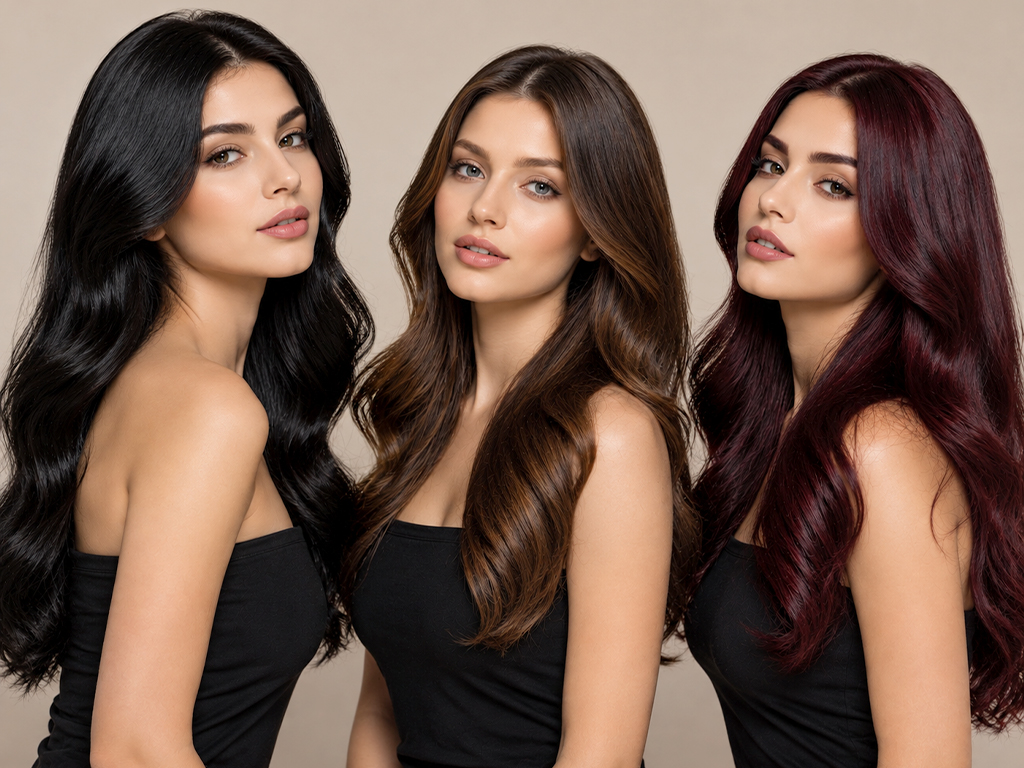
How to Colour Your Hair at Home: Easy Step-by-Step Guide
Changing your hair colour at home can be a convenient way to refresh your appearance, cover grey hair, or experiment with a new shade without visiting a salon. With the right hair colour, preparation, and application technique, you can achieve beautiful and even-looking results from the comfort of your home.
However, colouring your hair is more than simply applying a product and waiting for it to develop. Choosing the right shade, preparing your hair, following the instructions carefully, and taking proper care of coloured hair can make a significant difference to the final result.
Whether you are colouring your hair for the first time or regularly touch up your roots, this guide explains how to colour your hair at home safely and effectively.
Hair colour is a cosmetic product designed to change, enhance, refresh, or cover the natural colour of your hair. Depending on the formulation, hair colour can provide temporary, semi-permanent, or permanent results.
Hair colour products are available in a wide range of shades, including black, brown, burgundy, golden brown, mahogany, and other fashionable tones. Some formulations are designed specifically for grey coverage, while others are created for experimenting with different looks.
Choosing a shade that complements your natural hair colour and skin tone can help create a more natural and flattering appearance.
There are several reasons people choose hair colour at home instead of visiting a salon.
Home hair colour allows you to colour your hair according to your own schedule. You do not need to arrange a salon appointment or spend several hours travelling.
One of the most common reasons for colouring hair is covering visible grey or white hair. The right shade can help create a more uniform appearance.
A new hair colour can instantly change your overall appearance. Shades such as brown, burgundy, chocolate brown, and mahogany can add depth and dimension to your look.
Using a quality home hair colour can be more economical than frequent salon colouring, particularly when you need regular root touch-ups.
Choosing the right shade is one of the most important steps before starting your hair colour application.
Your existing hair colour affects how a new shade may appear. For example, a brown shade can look different on naturally black hair compared with lighter brown hair.
If you want a subtle change, choose a shade relatively close to your natural colour. If you want a more noticeable transformation, consider a shade with greater contrast.
Your skin tone can also help you select a complementary hair colour.
Warm skin tones often pair well with shades such as golden brown, warm brown, copper, and certain burgundy tones. Cool skin tones may suit ash brown, cool brown, or other cooler shades. Neutral skin tones can generally work with a wider variety of shades.
Ask yourself what you want from your hair colour.
Do you want to:
Understanding your goal makes it easier to select an appropriate shade.
Before beginning your home hair colour application, keep everything you need nearby.
Depending on the product, you may need:
Always check the specific product instructions because the required materials and mixing process can vary between formulations.
Before opening the product, read the instructions completely.
Different hair colour products have different mixing ratios, application techniques, processing times, and aftercare instructions. Do not assume that every hair colour should be used in the same way.
Follow the manufacturer’s recommended procedure, particularly regarding development time and product mixing.
A patch test is an important precaution before using a hair colouring product.
Follow the manufacturer’s instructions for performing the test and wait for the recommended period before using the product on your hair.
If you experience signs of an allergic reaction or unusual irritation, do not proceed with the application and follow the product’s safety instructions.
If you are using a product for the first time, never skip the recommended safety testing simply because you have coloured your hair before with another product.
Preparation can help make the hair colour application easier and more organized.
Depending on the product instructions, hair may need to be dry or prepared in a specific way. Avoid making assumptions and follow the instructions provided with your chosen hair colour.
Before application:
Having everything ready before you begin can prevent unnecessary interruptions during the colouring process.
Sectioning your hair is one of the simplest ways to achieve more even coverage.
Divide your hair into four or more sections depending on its length and thickness. Secure each section with clips.
Working section by section allows you to distribute the product more systematically and reduces the chance of missing areas.
This step is especially useful for people with long, thick, or dense hair.
If your product requires mixing, combine the components exactly according to the manufacturer’s instructions.
Use the recommended quantity and mixing ratio. Do not add extra developer, water, oil, shampoo, or other ingredients unless the product instructions specifically allow it.
Once prepared, use the mixture within the recommended time.
Now it is time for the actual hair colour application.
Start according to the instructions supplied with your particular product. For many root-touch-up applications, the roots may require more attention because they contain new growth. For an all-over application, the product should be distributed systematically through the required sections.
Apply the colour evenly without unnecessarily rubbing or pulling the hair.
Make sure the product reaches the areas you want to colour, including difficult-to-see sections at the back of your head.
For beginners, using a mirror and sectioning the hair carefully can make the process much easier.
Once the hair colour has been applied, set a timer according to the product instructions.
Do not leave hair colour on for longer simply because you want a deeper or darker result. Processing time is determined by the formulation and intended use of the product.
Similarly, do not rinse too early unless the instructions tell you to do so.
Following the recommended processing time is an important part of achieving consistent results.
When the recommended processing time is complete, rinse your hair according to the product instructions.
Use the recommended water temperature and continue rinsing until the water runs clear or until the instructions indicate that rinsing is complete.
If the product includes a conditioner or post-colour treatment, use it as directed.
Avoid immediately experimenting with additional hair treatments unless they are compatible with the colouring process.
Your hair colour aftercare routine can influence how long your colour looks fresh.
Use hair care products designed for coloured hair where appropriate. Avoid unnecessary heat styling and protect your hair from excessive environmental exposure.
Regular conditioning can also help maintain the look and feel of coloured hair.
A simple routine may include:
Even a simple home application can go wrong if basic steps are ignored.
A shade shown on a box or colour chart may appear differently depending on your existing hair colour.
Always consider your starting shade before choosing a new colour.
Do not ignore the recommended patch test. It is an important safety precaution.
Failing to section your hair can lead to missed areas and inconsistent colour.
More processing time does not necessarily mean better results. Follow the recommended timing.
Do not guess the mixing ratio. Follow the manufacturer’s instructions precisely.
Repeatedly colouring already-coloured lengths without following product guidance may result in unnecessary processing. Pay attention to whether you are doing a root touch-up or a full application.
How frequently you should colour your hair depends on factors such as the product type, your hair growth, the amount of grey hair, your chosen shade, and your desired appearance.
People who are covering grey roots may need more frequent touch-ups than someone who is simply refreshing their overall shade.
Instead of automatically colouring your entire head every time, follow the product instructions and consider whether you only need to address new growth.
Once you have achieved your preferred shade, proper maintenance can help keep it looking fresh.
Choose products formulated for coloured hair when appropriate.
Frequent use of straighteners, curling irons, and high-temperature blow-drying can affect the appearance and condition of hair.
Conditioning helps keep hair feeling smoother and more manageable.
Environmental factors such as strong sunlight and frequent exposure to water can affect coloured hair over time.
A simple, consistent routine is often better than constantly changing products.
Yes, many people can successfully colour their hair at home when they choose an appropriate product and carefully follow the instructions.
Beginners should start by understanding their current hair colour, selecting a suitable shade, performing the required safety test, preparing their tools, and following the application instructions step by step.
If you have previously chemically treated your hair, have complex colour correction needs, or want a significant colour transformation, professional advice may be more appropriate.
Learning how to colour your hair at home can make hair colouring more convenient and accessible. The key is to avoid rushing the process.
Start by choosing the right hair colour for your natural hair and desired result. Prepare your tools, follow the recommended safety instructions, section your hair carefully, apply the product evenly, respect the processing time, and follow a suitable aftercare routine.
Whether your goal is grey coverage, a subtle colour refresh, or a completely new look, careful preparation and consistent application can help you achieve better-looking results at home.
For anyone exploring different hair colour shades, choosing a product that suits their hair needs and following the manufacturer’s instructions should always be the first priority.

Seeing more strands on your brush after coloring can make you wonder, does hair color cause hair loss? The answer is usually more complicated than...
Chemically treated hair needs more attention before applying hair color. Treatments such as keratin, rebonding, straightening, perming, bleaching, and relaxing can change the condition and...
Hair color can instantly refresh your look, cover grey hair, or give your hair a completely new appearance. But if your hair is already dry,...