
Hair Colour and Sun Exposure: How Sunlight Affects Coloured Hair
Sunlight can have a noticeable effect on coloured hair, especially when the hair is exposed to strong UV rays for long periods. Regular sun exposure...


Category:Hair Color
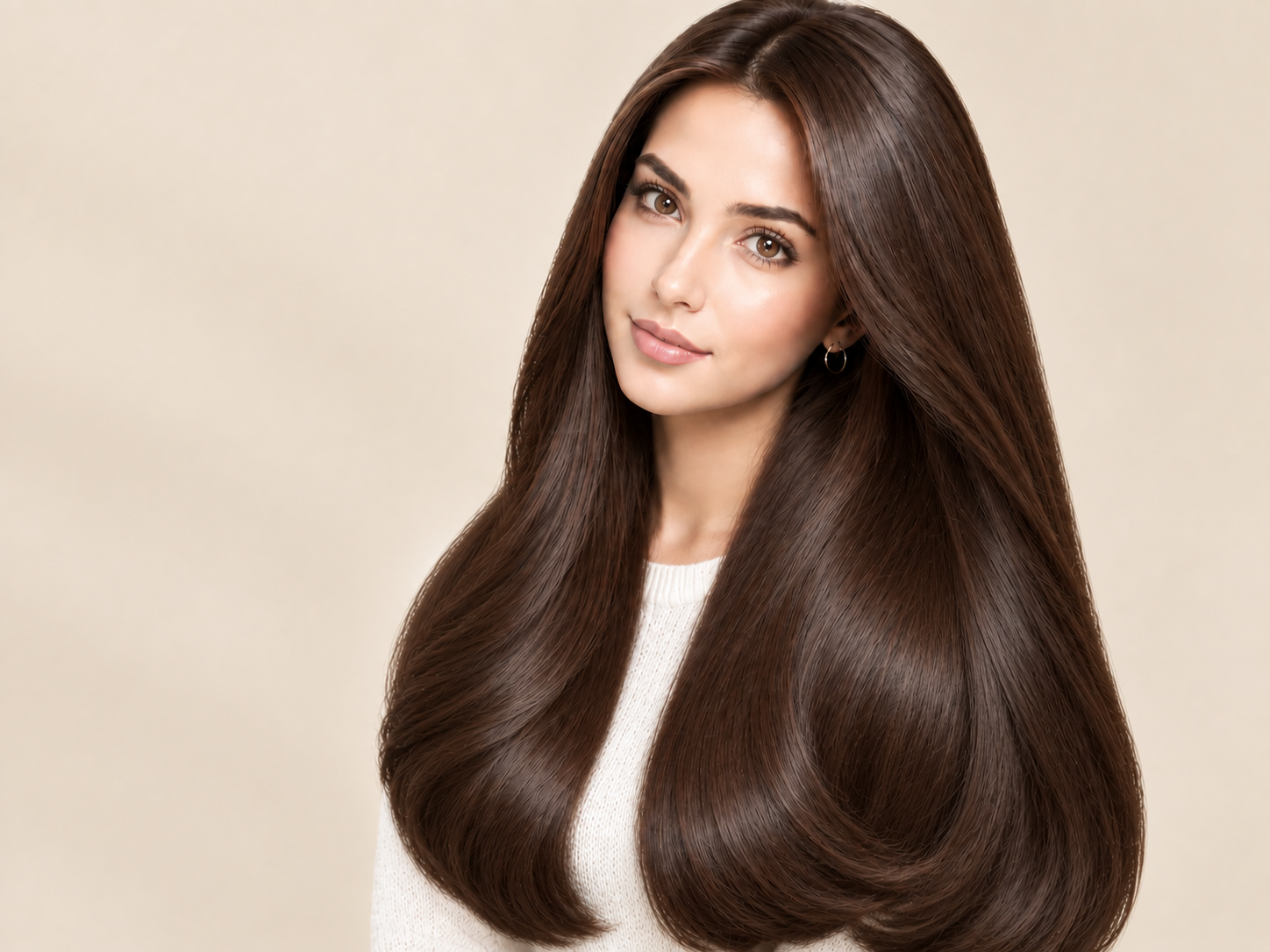
Hair Color for Indian Hair: Why the Right Choice Matters
Choosing a hair color for Indian hair is not only about picking a shade you like. Your natural hair color, amount of grey, skin tone, hair condition, and the type of result you want can all affect the final look.
Indian hair is often naturally dark, ranging from black to deep brown. Because of this, some lighter shades may look different on dark hair than they do on lighter hair. If your main goal is grey coverage, you may also need a shade and formula designed to provide even coverage from roots to lengths.
Before choosing a color, understand your natural hair, decide what result you want, and select a suitable formula.
The first step is to identify your current hair shade.
If your natural hair is:
When choosing a hair color for dark Indian hair, remember that the existing hair color can influence how the new shade appears.
Your skin tone is another useful factor when selecting a hair shade.
Warm skin tones often work well with warm shades such as:
Cooler skin tones may suit shades with cooler or deeper tones, such as:
If your skin tone is neutral, you can usually consider both warm and cool shades. The best choice depends on whether you want a subtle change or a more noticeable transformation.
There is no single best hair color for Indian skin tone. The shade should also match your natural hair color and the appearance you want after coloring.
Hair color is available in different formulas. Two common choices are cream and powder hair color.
Cream formulas have a smooth texture that can make application easier and more controlled. They are commonly used for regular coloring and grey coverage.
Nisha Crème Hair Colour is available in shades including Natural Black, Original Black, Dark Brown, Natural Brown, Chocolate Brown, Burgundy, and other options. The product information also highlights smooth application and grey coverage.
Cream hair color can be a practical option when you want:
Powder hair color is another option, particularly for people who prefer a dry formula that is mixed before application.
Nisha Powder Hair Color is presented as a powder-based option that is mixed with water before use and is designed for convenient application and grey coverage.
When choosing between cream and powder, consider the application process, coverage requirement, shade availability, and your personal preference.
Grey hair can sometimes be more resistant to color than pigmented hair. If grey coverage is your main concern, selecting a suitable shade and following the product instructions carefully are important.
For a natural appearance, many people prefer shades close to their existing hair color.
Black hair + grey strands: Natural Black or Original Black can maintain a deep overall appearance.
Dark brown hair + grey strands: Dark Brown or Natural Brown can provide a softer change.
Brown hair + grey strands: Chocolate Brown or other medium brown shades can add warmth while covering visible greys.
Some cream hair color products are specifically marketed for complete grey coverage. One current product listing states that its formula provides 100% grey coverage from roots to tips.
Before purchasing a hair color for Indian hair, decide whether you want a natural change or a more noticeable color transformation.
Choose shades close to your existing hair color, such as:
Consider:
Brighter shades such as red, blonde, or fashion-inspired tones can create a stronger transformation. However, the final result can depend on your starting hair color and whether any lightening is required.
Do not choose hair color based only on the shade shown on the package. Look at the formula and the ingredients listed by the manufacturer.
Nisha Crème Hair Color is described as containing Sunflower, Avocado, and Henna extracts and is available in multiple shades.
Some users may prefer a formula that combines coloring with conditioning ingredients, particularly when hair feels dry or rough.
However, remember that ingredients do not guarantee the same result for everyone. Always follow the product instructions and perform a patch test as recommended.
Good preparation can help make the coloring process easier.
Before applying hair color:
For cream hair color, the current product instructions recommend mixing the color cream and developer according to the directions, applying it evenly, processing for the recommended time, rinsing thoroughly, and using the supplied conditioner.
Choosing the right hair color for Indian hair is only the first part of the process. Your after-color routine can also affect how your hair looks and feels.
Use a suitable shampoo and conditioner for your hair type. Avoid washing colored hair excessively if you want to help maintain the appearance of the shade.
Regular conditioning can also help keep hair feeling soft and manageable. If your hair feels dry after coloring, adding a nourishing hair-care product to your routine may be useful.
Pay special attention to the roots when grey hair starts becoming visible again. Instead of recoloring the entire length every time, follow the product’s instructions for touch-ups where applicable.
The suitable shade depends on your natural hair color, skin tone, grey coverage needs, and desired result. Black, dark brown, natural brown, chocolate, mahogany, and burgundy are commonly considered for darker Indian hair.
A hair color specifically designed for grey coverage can be considered. Choose a shade close to your natural hair color if you want a more natural result and follow the application instructions carefully.
Both have different application formats. Cream hair color offers a smooth, controlled consistency, while powder hair color is mixed with water before application. Your choice can depend on convenience, coverage requirements, and personal preference.
Natural Black, Original Black, Dark Brown, Natural Brown, and Chocolate Brown can create relatively subtle results on naturally dark hair. The final appearance depends on the starting shade and the specific formula.
Read the product instructions, perform the recommended patch test, prepare the required tools, mix the product correctly, and follow the stated processing time. A strand test can also help you understand the expected result before full application.
Choosing the right hair color for Indian hair is about more than simply picking a shade you like. Your natural hair color, skin undertone, hair texture, existing chemical treatments, and maintenance routine can all influence the final result. Shades such as rich browns, chocolate, burgundy, caramel, and deeper natural tones often complement Indian hair beautifully, but the best choice is one that suits your individual features and lifestyle.
Before coloring, check the condition of your hair, perform a patch and strand test, and follow the product instructions carefully. After coloring, use gentle hair-care products and minimize excessive heat styling to help maintain softness, shine, and color vibrancy.
With the right shade, proper preparation, and good aftercare, hair color can enhance your look while keeping your hair healthy-looking, smooth, and beautifully maintained.
Sunlight can have a noticeable effect on coloured hair, especially when the hair is exposed to strong UV rays for long periods. Regular sun exposure...
Hair color fading is a common concern after coloring, especially when the hair is exposed to frequent washing, hot water, heat styling, sunlight, chlorine, or...
Colouring your hair can refresh your appearance, cover grey hair and add a new dimension to your look. However, getting the right shade is only...