
Hair Colour and Sun Exposure: How Sunlight Affects Coloured Hair
Sunlight can have a noticeable effect on coloured hair, especially when the hair is exposed to strong UV rays for long periods. Regular sun exposure...


Category:Hair Color
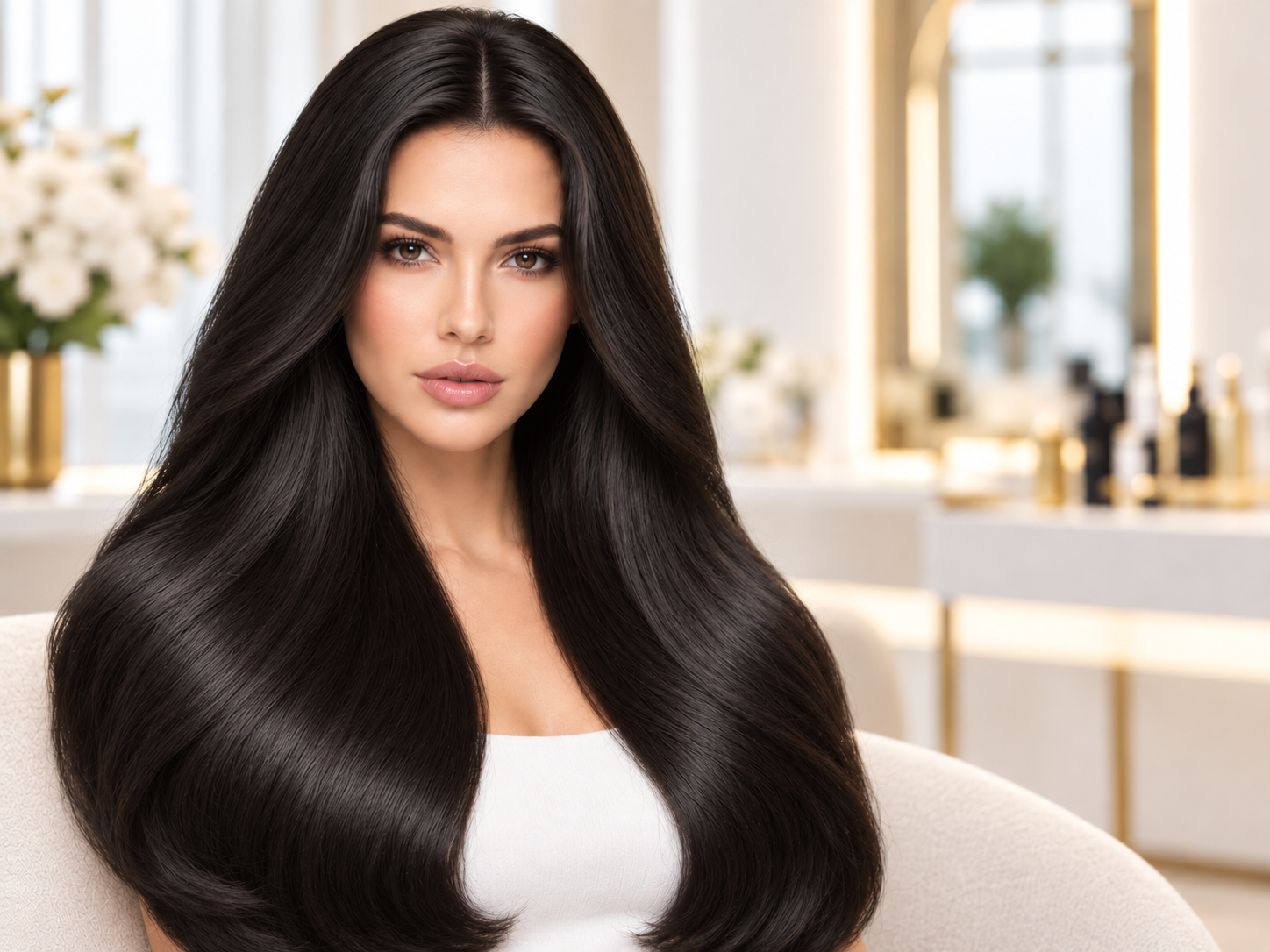
Trying hair colour for the first time can feel confusing. There are many shades, formulas and application methods to choose from. Whether you want to cover grey hair, refresh your natural shade or try a new look, understanding the basics can make the process easier.
For beginners, the key is to choose a suitable hair colour, understand your desired result and follow the application instructions carefully. Cream hair colour is one option because its smooth texture can make application easier and more controlled. Nisha Crème Hair Colour is available in different shades and is designed for at-home colouring and grey coverage.
Before colouring your hair, first decide what you want to achieve. Your goal could be:
Your natural hair colour, amount of grey hair and previous colour treatments can all affect the final result. It is also important to remember that the colour shown on the pack may look slightly different depending on your existing hair colour.
Different hair colour types provide different results. Permanent colour is generally selected when longer-lasting colour or grey coverage is required. Powder, shampoo-based, gel and crème formats are also available, depending on the desired application method.
For a first-time user who wants a traditional cream formula, crème hair colour can be a practical option. The creamy consistency allows the product to be spread through the hair during application.
Start with your main hair colour goal.
If your main concern is grey hair, look for a shade and formula specifically designed for grey coverage. If you simply want to change your appearance, you can select a shade that complements your existing hair colour.
For beginners, choosing a shade close to your current hair colour can make the change easier to manage. The product range includes shades such as Natural Brown, Dark Brown, Chocolate Brown, Original Black and several blonde and red tones.
Shade selection is one of the most important parts of colouring your hair.
Consider:
If your hair is naturally dark, a lighter shade may not produce the same result shown on the packaging without additional lightening. A shade closer to your existing colour is generally easier for a beginner to manage.
For a natural-looking change, shades such as Natural Brown, Dark Brown or Chocolate Brown can be considered. If you want a more noticeable appearance, shades such as Burgundy, Cherry Red or blonde tones are available.
If you have grey hair, check whether the selected shade is intended for grey coverage. Some crème hair colour products are specifically positioned for complete grey coverage.
Before applying hair colour to your entire head, follow the product’s safety directions and perform the recommended patch test.
A strand test can also help you understand how the colour may appear on your existing hair. This is particularly useful if you have previously coloured, highlighted or chemically treated hair.
A small test section allows you to check the developing colour before committing to the complete application. The product instructions for Nisha Crème Hair Colour also recommend a strand test before full application.
Good preparation can make the colouring process easier.
Keep these items ready:
Always read the instructions supplied with your specific product because the mixing ratio and processing time can differ between formulas.
The available crème hair colour packs include colour cream and developer, with some box formats also containing conditioner and gloves.
Mix the colour cream and developer according to the product instructions. Do not change the recommended ratio to try to make the colour stronger or lighter.
For the Nisha Crème Hair Colour range, the instructions specify mixing the crème and developer in a plastic or glass bowl before application.
Prepare the mixture immediately before application and use it according to the stated instructions.
Once the colour is prepared, divide your hair into manageable sections.
Start applying the product according to the instructions, paying particular attention to the roots if grey coverage is your main goal. Spread the colour evenly so that the product reaches the areas you want to colour.
Avoid rushing through the process. Uneven application can result in uneven-looking colour.
For at-home colouring, Nisha Crème Hair Color provides a cream-and-developer format designed for application at home.
Do not leave hair colour on longer than recommended in an attempt to achieve a deeper colour.
Processing time depends on the specific product. For the referenced crème hair colour instructions, the product is left on the hair for around 30 minutes before rinsing. Always follow the instructions supplied with the product you are using.
Set a timer so you do not have to guess how long the colour has been processing.
After the recommended processing time, rinse your hair thoroughly with water until the water runs clear.
Follow with the conditioner supplied with the product, where applicable. Conditioning after colouring can help leave the hair feeling softer and more manageable.
The product instructions recommend applying conditioner after rinsing, leaving it for the specified time and then washing it out.
Your routine after colouring can influence how your hair looks and feels.
Use products designed for coloured or treated hair when appropriate, avoid unnecessarily frequent washing and protect your hair from excessive heat styling.
A simple routine can include a suitable shampoo, conditioner and Nisha Professional Eversilk Serum.
Try to avoid immediately experimenting with multiple chemical treatments after colouring. Give your hair time to adjust before making another major change.
The same shade can look different on different starting colours. Always consider your natural or previously coloured hair.
A patch test and strand test can provide important information before full application.
More developer or more colour does not automatically mean a better result. Follow the manufacturer’s instructions.
Longer processing does not necessarily produce the desired result. Follow the recommended time.
Divide your hair into sections and work methodically to help distribute the product evenly.
A beginner can start with a shade close to their existing hair colour, especially when looking for a natural result. A crème formula can also be convenient because its consistency allows controlled application.
Yes, hair colour can be applied at home when the product is intended for at-home use. Choose a shade suitable for your level of grey coverage and carefully follow the application instructions.
Processing time depends on the specific product. Some crème hair colour instructions recommend approximately 30 minutes, but the instructions supplied with your chosen product should always be followed.
Hair colour instructions can vary by product. Follow the directions supplied with your chosen formula rather than using a general rule. Some product instructions specify application on washed and dried hair.
Use a suitable hair-care routine, avoid unnecessary frequent washing and limit excessive heat exposure. Conditioning regularly can also help keep coloured hair feeling soft and manageable.
Sunlight can have a noticeable effect on coloured hair, especially when the hair is exposed to strong UV rays for long periods. Regular sun exposure...

Hair color fading is a common concern after coloring, especially when the hair is exposed to frequent washing, hot water, heat styling, sunlight, chlorine, or...

Colouring your hair can refresh your appearance, cover grey hair and add a new dimension to your look. However, getting the right shade is only...