
Hair Colour and Sun Exposure: How Sunlight Affects Coloured Hair
Sunlight can have a noticeable effect on coloured hair, especially when the hair is exposed to strong UV rays for long periods. Regular sun exposure...


Category:Hair Color
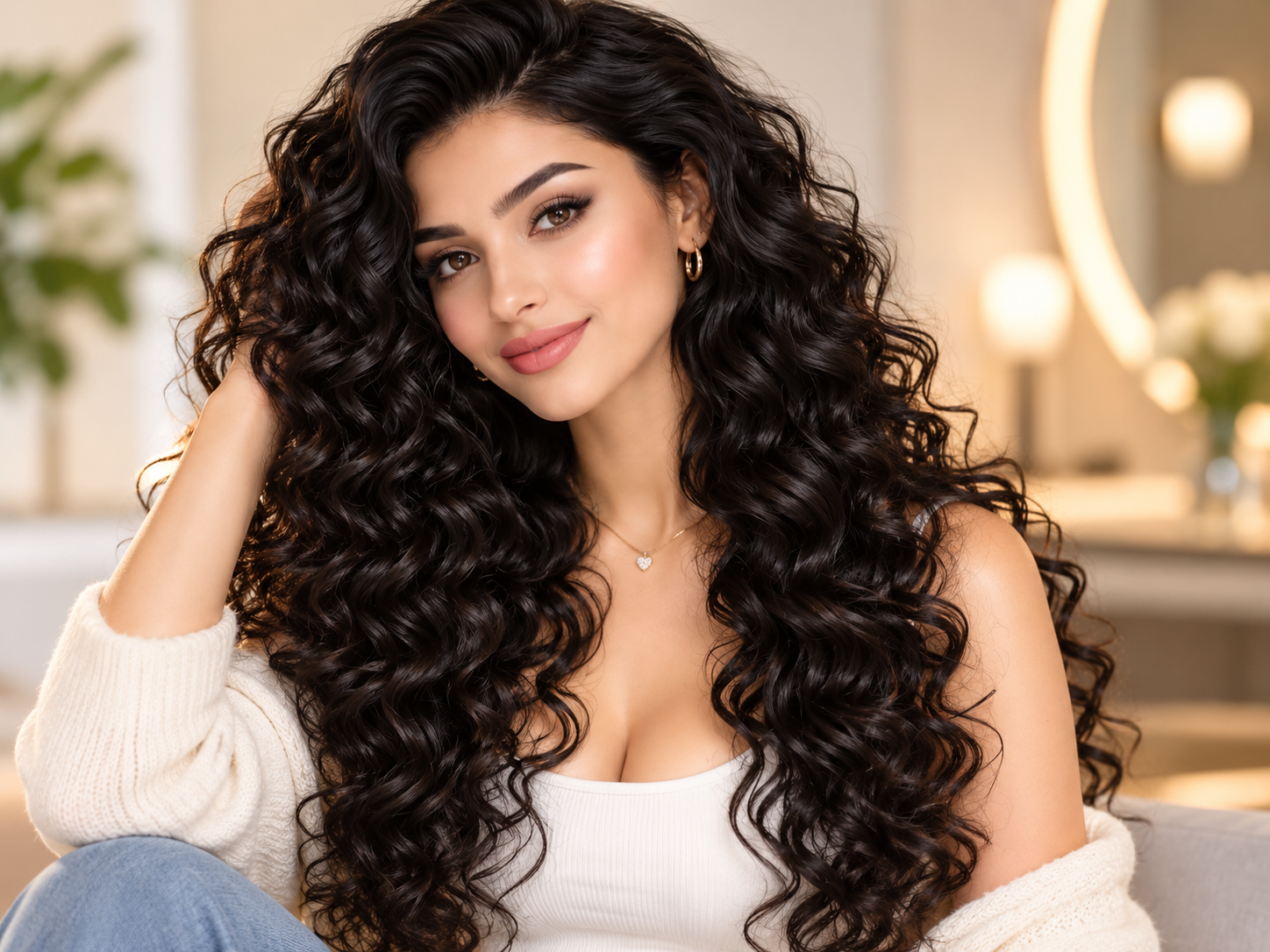
Curly hair has a beautiful texture, but colouring curls requires a little more attention than colouring straight hair. The shape of each curl, your hair’s porosity, previous chemical treatments, and your existing hair colour can all affect the final result.
Whether you want to cover grey hair, enhance your natural shade, or try a completely different look, choosing the right hair colour for curly hair can help you achieve an even and attractive finish while keeping your curls looking healthy.
Before colouring your curls, it is important to understand your hair type, select a suitable shade, prepare your hair, and follow proper after-colour care.
Curly hair can be more prone to dryness because natural oils may not travel as easily from the scalp to the lengths and ends. Some curls can also have higher porosity, which means they may absorb colour quickly and lose moisture more easily.
This does not mean you cannot colour curly hair. It simply means that colouring curly hair should be approached carefully.
Before choosing a product, consider:
For a better understanding of different formulations and shade choices, you can refer to this complete hair colour guide.
Choosing a colour is more than simply picking a shade that looks attractive on a box. Your natural base and previous colour can influence the final result.
If you want a natural-looking change, select a shade that works well with your existing hair colour. Dark brown, natural brown, chocolate, burgundy, and black are some options available across different hair colour ranges.
If you are colouring your hair for the first time, a shade closer to your natural colour can make maintenance easier.
Think about why you want to colour your curls.
If your main goal is grey coverage, look for a hair colour specifically designed to provide grey coverage. If you want a subtle change, choose a shade close to your natural colour. For a more noticeable transformation, warm browns, burgundy, copper, or other fashion shades can create a different appearance.
Cream formulations are also convenient when you want controlled application. The available crème hair colour shades include options such as natural brown, dark brown, chocolate brown, burgundy, mahogany, copper red, and blonde shades.
Following the correct process can help you achieve more even-looking colour without unnecessarily stressing your curls.
Before applying hair colour, examine your curls.
If your hair feels extremely dry, rough, weak, or brittle, consider improving its condition before colouring. Colouring already fragile hair may make it feel drier.
Avoid colouring immediately after intensive chemical treatments unless the product instructions or a professional specifically recommend it.
Always follow the manufacturer’s patch-test instructions before using a hair colour product.
A previous use of hair colour without a reaction does not guarantee that you will never develop a reaction. Follow the recommended testing procedure every time.
A strand test is particularly useful for curly hair because porosity can differ between sections of the same head.
Apply the product to a small, hidden section according to the instructions. This allows you to see how the colour develops before applying it to your entire head.
Separate your hair into manageable sections before applying the colour.
Working section by section makes it easier to distribute the product evenly and reduces the possibility of missing areas. Avoid aggressively brushing or pulling the curls during application.
Apply the colour according to the manufacturer’s instructions. If you are mainly covering grey roots, concentrate on the areas that need coverage rather than unnecessarily processing already-coloured lengths.
Cream-based products can provide controlled application because their consistency makes it easier to work through sections.
The available cream colour range includes products designed around different shades and application needs.
Do not leave the colour on longer simply because you want a stronger result.
Use a timer and follow the exact processing instructions supplied with your chosen product. Processing time can vary between formulations, so do not assume every hair colour works in the same way.
Once the recommended time is complete, rinse your hair thoroughly according to the product instructions.
If your colour kit includes a conditioner, use it as directed. Curly hair benefits from maintaining moisture after colouring, so avoid treating the conditioning step as optional.
There is no single formulation that is suitable for every person with curly hair. The right option depends on your desired result, application preference, existing colour, and hair condition.
Crème hair colour has a smooth consistency that allows controlled application. It can be useful for people who want an even application across roots and lengths.
Some crème hair colour products are also designed for grey coverage. Always check the individual product’s shade and coverage claims before choosing it.
Henna-based hair colour can be considered by people who prefer a colour formulation featuring henna and herbal ingredients. Depending on the product, different shades and coverage options may be available.
Shampoo-based colour is another format designed for convenient application. The application method can feel familiar because the product is worked through the hair in a shampoo-like manner.
The important point is to choose a formulation based on your colouring goal rather than simply your curl pattern.
Your routine after colouring is just as important as the application process.
Avoid unnecessarily harsh cleansing and excessive washing. Choose products designed for coloured hair when possible.
A suitable shampoo and conditioner routine can help keep curls feeling softer while supporting the appearance of colour.
Colour-treated curls can benefit from regular conditioning. Use a suitable conditioner or hair treatment according to your hair’s needs.
If your curls feel dry after colouring, focus on moisture and avoid excessive heat styling.
Frequent use of straighteners, curling irons, and high-temperature blow-drying can make coloured hair feel dry.
Allow your curls to air-dry when practical and use heat protection whenever heat styling is necessary.
Frequent washing can cause colour to fade faster. Use a suitable washing routine based on your scalp and hair needs rather than washing unnecessarily often.
For additional guidance, this guide to colouring hair and maintaining vibrant colour covers colour selection, different formulations, and basic after-colour care.
A few simple mistakes can affect your final result.
If your curls are already very dry or damaged, colouring without preparation may make them feel rougher.
The same hair colour can look different depending on your starting shade. Always consider your natural or existing colour before selecting a new shade.
A strand test gives you an opportunity to see how the colour develops on your specific hair before applying it everywhere.
More processing time does not automatically mean better colour. Follow the recommended time for the specific product.
Even a good colour can lose its attractive appearance if coloured curls are not properly conditioned and cared for.
The best hair colour for curly hair depends on more than the curl pattern. Your natural shade, hair condition, porosity, previous treatments, desired result, and grey coverage requirements all matter.
For natural-looking results, start by understanding your existing hair colour and choose a suitable formulation. Prepare your curls, perform the recommended patch and strand tests, apply the product carefully, and follow the processing instructions.
After colouring, focus on conditioning, gentle cleansing, moisture, and reduced heat exposure. With the right approach, you can enjoy beautiful curly hair colour while keeping your curls looking smooth, defined, and healthy.
Yes. Curly hair can be coloured, but it is important to consider its condition, porosity, previous treatments, and moisture level. Always follow the instructions for the specific hair colour product.
There is no single best shade for everyone. Natural brown, dark brown, chocolate, burgundy, black, and other shades can work depending on your natural hair colour and desired result.
Hair colouring can affect the condition of hair, particularly when hair is already dry or chemically treated. Proper product selection, following processing instructions, conditioning, and limiting excessive heat can help maintain healthier-looking curls.
Yes. A strand test can show how the selected colour develops on your specific curls and can help you assess the final shade before applying it to your entire head.
Use a suitable cleansing and conditioning routine, keep your curls moisturised, avoid excessive heat, and reduce unnecessary washing. Follow the aftercare instructions recommended for your particular hair colour.
Colouring curly hair requires extra attention to moisture, strength, and curl definition. Choosing a suitable hair colour, preparing the hair properly, and following the recommended application process can help achieve even colour while reducing unnecessary dryness. It is also important to avoid frequent chemical treatments and excessive heat that may affect the natural curl pattern.
After colouring, regular hydration and gentle hair care can help keep curls soft, defined, and manageable. Using a nourishing shampoo, hair mask, and serum can support moisture and shine while helping maintain the colour. With the right colouring technique and consistent care, curly hair can look vibrant, healthy, and beautifully defined.
Sunlight can have a noticeable effect on coloured hair, especially when the hair is exposed to strong UV rays for long periods. Regular sun exposure...
Hair color fading is a common concern after coloring, especially when the hair is exposed to frequent washing, hot water, heat styling, sunlight, chlorine, or...
Colouring your hair can refresh your appearance, cover grey hair and add a new dimension to your look. However, getting the right shade is only...