
Hair Colour and Sun Exposure: How Sunlight Affects Coloured Hair
Sunlight can have a noticeable effect on coloured hair, especially when the hair is exposed to strong UV rays for long periods. Regular sun exposure...


Category:Hair Color
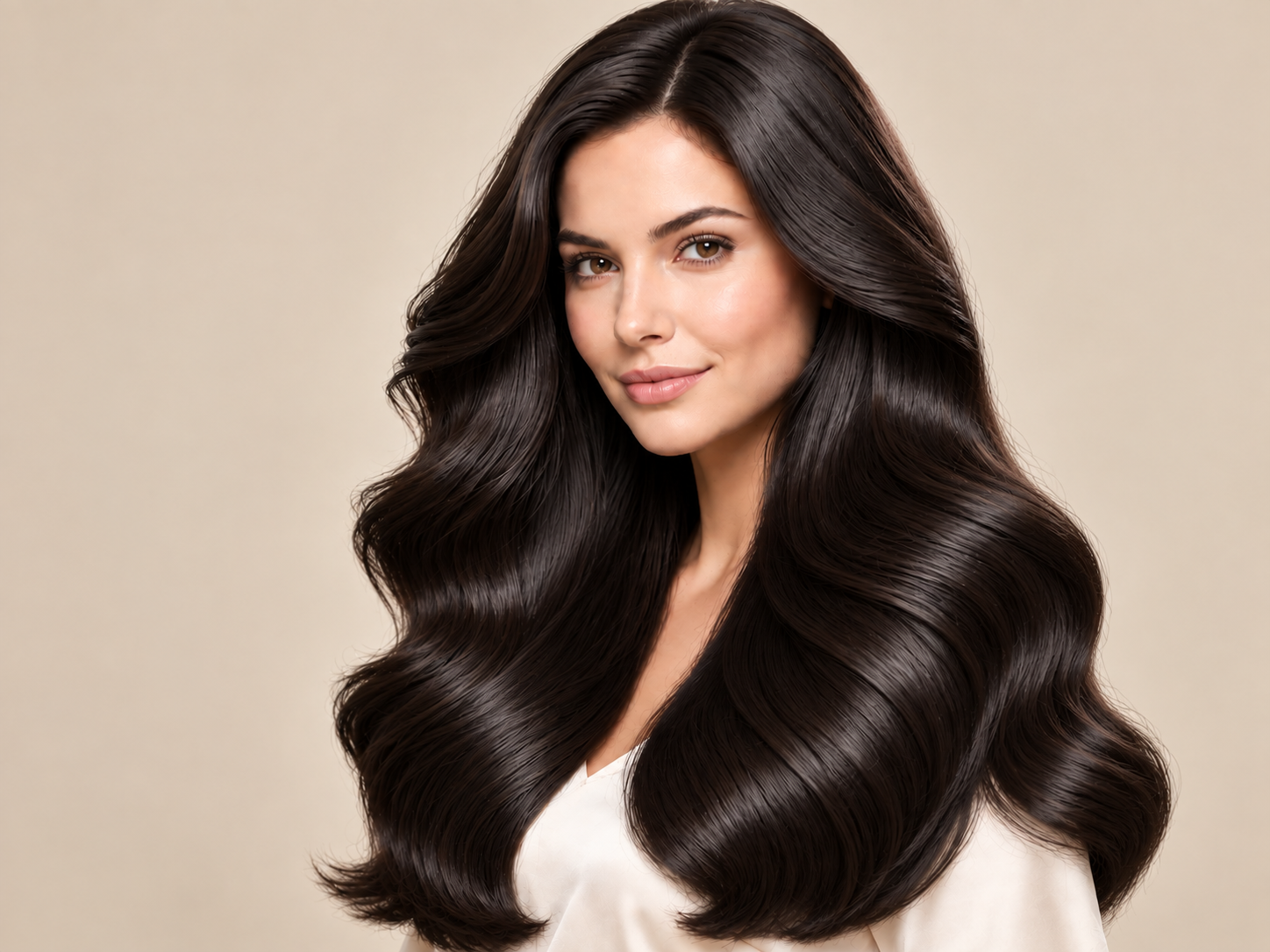
Dry hair often feels rough, dull, frizzy, and difficult to manage. If you also want to change your hair shade or cover grey hair, you may wonder whether hair color will make your hair even drier.
The good news is that you can color dry hair with the right approach. Choosing a suitable formula, preparing your hair before coloring, following the recommended processing time, and maintaining your hair after coloring can help reduce unnecessary dryness.
If you are looking for hair color for dry hair, here is a simple step-by-step guide to help you get a beautiful color while keeping your hair soft and manageable.
Yes, but the condition of your hair and the type of coloring process matter.
Hair coloring involves chemical processing, and some formulas or techniques can leave already-dry hair feeling rougher. The risk can be higher when hair has already been weakened by frequent heat styling, bleaching, chemical treatments, or repeated coloring.
For dry hair, look for a hair color formula that combines color performance with conditioning ingredients. Nisha creme hair color is designed with a smooth consistency for controlled application, while selected formulas contain ingredients such as sunflower, avocado, and henna extracts.
The goal is not simply to choose a color. It is to choose a coloring routine that considers the existing condition of your hair.
Several factors can contribute to dryness after hair color.
If your hair is already porous, brittle, or highly damaged, it may be more sensitive to chemical processing. The hair may lose moisture more easily and feel rough after coloring.
Applying permanent hair color repeatedly to the entire length can expose previously colored hair to unnecessary processing. For regular grey coverage, focus application on the regrowth when appropriate rather than repeatedly processing the full length.
Straighteners, curling irons, and frequent blow-drying can contribute to dryness. Combining frequent heat styling with regular coloring may make hair feel less soft.
Leaving hair color on for longer than the recommended time does not necessarily give better results. Always follow the product instructions carefully.
Good preparation can make your coloring routine more comfortable and help your hair look smoother afterward.
Before applying hair color, examine your hair.
If the ends are extremely brittle, breaking easily, or severely damaged, consider improving your hair-care routine before coloring. Very damaged hair may need more attention before undergoing another chemical process.
Look for signs such as:
If several of these signs are present, focus on conditioning and reducing heat styling before your next coloring session.
Try not to combine multiple chemical services close together. Bleaching, straightening, perming, and coloring can place additional stress on the hair.
If you want a major color change, particularly from dark hair to a much lighter shade, professional advice can help determine the appropriate process.
A strand test is useful before full application. It can help you see how the color develops on your hair and how your hair responds to the formula.
A patch test should also be performed according to the product’s instructions before use.
The right formula can make a difference in your overall coloring experience.
If your hair feels dry, consider a nourishing hair color that is designed to provide color while supporting a softer feel.
Nisha Crème Hair Color has a creamy consistency for smooth application and is described as providing color along with conditioning benefits. The range includes multiple shades, making it easier to choose a color closer to your natural shade or desired result.
If you specifically want an ammonia-free hair color, check the product label and formulation details before purchasing. An ammonia-free formula does not mean that coloring is completely damage-free, but it can be one factor to consider when selecting a coloring product.
Choosing a shade close to your current color can be a simpler option when your main goal is refreshing your appearance or covering grey hair.
Options such as Natural Brown, Dark Brown, Chocolate Brown, Natural Black, and Mahogany are available within the crème hair color range.
Once your hair is ready, follow the product instructions carefully.
Mix the hair color and developer according to the instructions provided with your product. Do not change the recommended ratio.
Some crème hair color packs provide both the colorant and developer along with instructions for application.
Apply the mixture evenly, starting from the roots when grey coverage or regrowth coverage is required.
Avoid unnecessarily pulling or rubbing the hair during application.
Keep the color on your hair only for the time specified in the instructions.
For example, the product instructions for the crème hair color range specify a processing time before rinsing. Always follow the instructions supplied with your particular product because processing requirements can vary between formulas.
After the recommended processing time, rinse your hair thoroughly with water until the water runs clear.
Avoid using very hot water because it can leave dry hair feeling less comfortable.
Conditioning after coloring is an important part of the routine. Some crème hair color packs include a conditioner for post-color care.
Apply conditioner according to the product directions, then rinse thoroughly.
Coloring does not end when you rinse the product. Your after-care routine can influence how your hair looks and feels.
Dry hair benefits from regular conditioning and a consistent hair-care routine. Choose products that help maintain softness and manageability without overloading the hair.
Avoid washing your hair excessively if it is already dry, and choose a shampoo and conditioner suitable for your hair type.
Try to limit frequent use of straighteners, curling irons, and high-heat blow-drying.
When heat styling is necessary, use appropriate heat protection and avoid applying excessive heat to the same section repeatedly.
The ends are often the driest part of the hair. Regular conditioning can help improve their appearance and manageability.
You can also include a suitable hair serum in your routine if your hair needs additional smoothness and shine.
If your goal is grey coverage, you may not need to recolor the entire head every time. Depending on your hair growth and the product instructions, focusing on new growth can help reduce repeated processing of already-colored lengths.
If your hair is particularly dry or damaged, avoid practices that can add unnecessary stress.
The objective should be to achieve the desired hair color while maintaining as much softness and manageability as possible.
Color itself does not repair damaged hair, but the right color and after-care routine can improve the overall appearance.
A suitable shade can make dull-looking hair appear more vibrant, while conditioning-focused products can help the hair feel softer and smoother.
For people looking for hair color for dry hair, the important factors are the existing hair condition, color formula, application method, processing time, and after-care routine.
Hair color can be used on dry hair, but very dry or damaged hair may be more sensitive to chemical processing. Assess your hair condition first and follow the product instructions, including recommended testing.
Look for a formula that suits your hair condition and provides coloring along with conditioning or nourishing benefits. A creamy, easy-to-apply formula can also help with controlled application.
Ammonia-free does not mean completely damage-free. Hair can still become dry depending on its condition, the formula, frequency of coloring, and other chemical or heat treatments.
Use a suitable moisturizing hair-care routine, condition regularly, reduce excessive heat styling, and avoid unnecessary repeated coloring of already-colored lengths.
It depends on the severity of the damage. If the hair is extremely brittle or breaking, it is better to address the damage first and consider professional advice before another chemical treatment. For normal dry hair, carefully following the product’s instructions and performing the recommended tests can help make home coloring more controlled.
Dry hair can be coloured with the right preparation and care. Choosing a suitable hair colour, checking the condition of your hair before colouring, and following the recommended application time can help reduce unnecessary stress on dry strands. Avoiding frequent colouring and excessive heat styling can also help maintain the hair’s moisture and softness.
After colouring, focus on nourishing and hydrating your hair regularly. Using a gentle shampoo, deep-conditioning mask, and nourishing serum can help improve softness, manageability, and shine. With the right colouring routine and consistent after-colour care, dry hair can maintain a beautiful colour while looking healthier and smoother.
Sunlight can have a noticeable effect on coloured hair, especially when the hair is exposed to strong UV rays for long periods. Regular sun exposure...
Hair color fading is a common concern after coloring, especially when the hair is exposed to frequent washing, hot water, heat styling, sunlight, chlorine, or...
Colouring your hair can refresh your appearance, cover grey hair and add a new dimension to your look. However, getting the right shade is only...