
Hair Colour for Thick Hair: Tips for Even Colour Coverage
Thick hair can look beautiful and full, but applying hair color to thick hair can require extra care. Because thick hair has more strands and...


Category:Hair Color
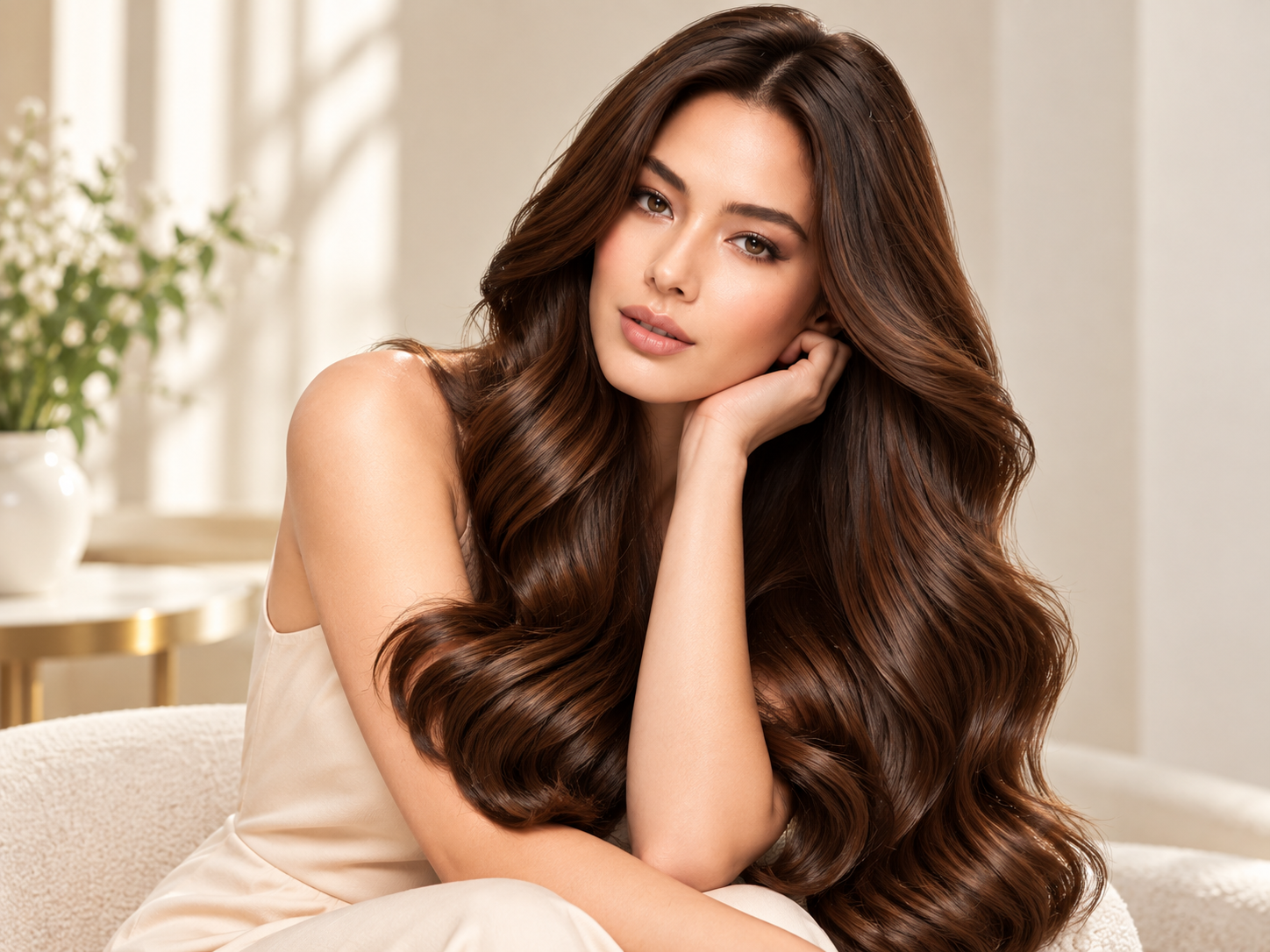
Thick hair can look beautiful and full, but applying hair color to thick hair can require extra care. Because thick hair has more strands and often has multiple layers, color may not spread evenly if it is applied too quickly or without proper sectioning. Some areas may receive enough product while others may get less coverage.
Whether you want to cover grey hair, refresh your natural shade, or try a new look, the right hair color application can help create a more even result. Choosing the right formula, preparing the hair properly, and applying the color section by section are important steps.
Thick hair does not necessarily mean that the hair strands themselves are coarse. It usually means there is a greater density of hair. This makes it harder to reach every strand during coloring.
When coloring thick hair, common challenges include:
A cream hair color can be useful because its smooth texture can make application more controlled. For example, Nisha Crème Hair Color is available in several shades and is designed for coverage from roots to tips.
Good preparation can make the coloring process easier and help improve coverage.
Start by deciding what result you want. If your main concern is grey coverage, select a shade appropriate for your natural hair and the amount of grey present.
For a natural-looking change, shades close to your existing hair color are generally easier to maintain. Available cream hair color options include Natural Black, Original Black, Dark Brown, Natural Brown, Chocolate Brown, Burgundy, Mahogany, and other shades.
One common mistake with thick hair is using too little color. Hair that is longer, denser, or very thick may require more product to cover all sections properly.
Before starting, check the product instructions and make sure you have enough color and developer for the entire application.
Gently detangle the hair before applying color. Knots can make it difficult to separate sections and may cause some areas to receive more product than others.
Use a wide-tooth comb and work gently from the ends toward the roots.
Sectioning is one of the most important hair color tips for thick hair.
Divide the hair into four or more manageable sections depending on its thickness. Secure each section with clips. Smaller sections allow the color to reach more strands and make the application easier.
Follow the manufacturer’s instructions when mixing the color and developer. For example, Nisha Crème Hair Color instructions specify mixing the crème and developer in a plastic or glass bowl before application.
Do not change the recommended mixing ratio, processing time, or application method unless the product instructions specifically allow it.
If grey coverage is your main goal, pay particular attention to the roots and grey areas.
Take a small section of hair and apply the color close to the roots. Then gradually move toward the lengths. Avoid taking extremely large sections because the product may not reach the hair underneath.
Continue section by section until the roots are covered. Then apply color through the remaining lengths as directed.
For thick hair, slow and systematic application is more useful than trying to finish quickly. Use a color brush to distribute the product evenly.
Once the color has been applied, gently check the hair from different angles. Pay special attention to:
These areas are commonly missed when coloring dense hair.
Leave the color on for the time stated in the product instructions. Do not assume that leaving hair color on for longer will automatically provide better coverage.
For example, the listed instructions for Nisha Crème Hair Color include a 30-minute processing period followed by thorough rinsing and conditioning.
After the recommended processing time, rinse the hair thoroughly according to the instructions. Conditioning after coloring can help leave the hair feeling softer and more manageable.
Grey hair can sometimes be more noticeable when the color is uneven. Thick hair requires careful application because grey strands may be scattered across different layers.
For better grey hair coverage, focus on these areas:
Make sure every section receives sufficient product. Do not simply spread a small amount over a large section.
Some grey strands can be more resistant to color. Apply the product carefully and follow the recommended processing instructions rather than increasing the processing time yourself.
Small, clean sections make it easier to see where the color has already been applied. This can reduce missed grey strands.
A creme-based formula such as Nisha Crème Hair Color is designed for controlled application and offers a wide selection of shades for different coloring needs.
After coloring, your hair care routine can affect how the color looks and feels over time.
Choose a shampoo designed for colored hair or a gentle cleansing routine. Avoid unnecessarily frequent washing if you want to help maintain the appearance of your color.
Thick hair can benefit from regular conditioning because the greater hair density can make the lengths feel dry or difficult to manage.
Frequent use of straighteners, curling irons, and high-heat blow-drying can affect the condition and appearance of colored hair. Use suitable heat protection when styling.
A lightweight serum can help improve smoothness and shine after washing. The Nisha Professional Eversilk Serum is one option listed in the hair-care range.
Large sections may prevent the product from reaching all the hair underneath. Smaller sections provide better control.
Thick or long hair may need more product than short, less-dense hair. Always check the product quantity and instructions.
The back and underneath layers are easy to miss. Use multiple sections and check the application before processing.
The final result depends on the existing hair color, previous color treatments, grey percentage, and chosen shade. Always consider your current hair before selecting a new color.
More processing time does not necessarily mean better color. Follow the instructions provided with the specific product.
Both creme and powder formulations can be used for hair coloring, but their application methods are different.
Creme formulas have a smooth consistency that can make section-by-section application easier, especially when working with dense hair. Powder hair color requires careful preparation and thorough distribution through the hair.
For people looking for a controlled application, creme hair color options include multiple shades ranging from black and brown tones to red and blonde shades.
Yes. Thick hair can be colored, but proper sectioning and sufficient product are important for even coverage. Applying the color in smaller sections helps reach more strands.
Divide the hair into small sections and apply the color systematically from roots to lengths. Make sure the product reaches the underneath layers, back of the head, hairline, and other areas that can be missed.
A suitable creme hair color can help provide controlled application and grey coverage. The right shade depends on your natural hair color, grey percentage, and desired result. Nisha Crème Hair Color lists grey coverage among its product benefits.
Thick or long hair may require more product to cover all sections properly. Follow the quantity and application instructions provided with the specific product.
Use a suitable shampoo and conditioner, condition the lengths regularly, avoid excessive heat styling, and maintain a consistent hair-care routine to keep colored hair looking smooth and vibrant.
Colouring thick hair evenly requires the right preparation, proper sectioning, and enough product to cover every strand. Dividing the hair into small sections and applying the colour carefully from roots to lengths can help achieve a more consistent result. Choosing a suitable hair colour and following the recommended development time also helps improve overall coverage.
With the right technique and after-colour care, thick hair can look vibrant, smooth, and evenly coloured. Regular use of suitable hair care products can help maintain colour, shine, and softness while keeping your hair looking healthy between colour applications.
Thick hair can look beautiful and full, but applying hair color to thick hair can require extra care. Because thick hair has more strands and...
Thin hair can look beautiful with the right hair color, but choosing a suitable formula, shade, and coloring method is important. Because fine or thin...
Frizzy hair can make hair colouring feel confusing. Many people worry that applying hair colour will make already-frizzy hair feel drier, rougher, or harder to...