
Hair Colour for Thick Hair: Tips for Even Colour Coverage
Thick hair can look beautiful and full, but applying hair color to thick hair can require extra care. Because thick hair has more strands and...


Category:Hair Color
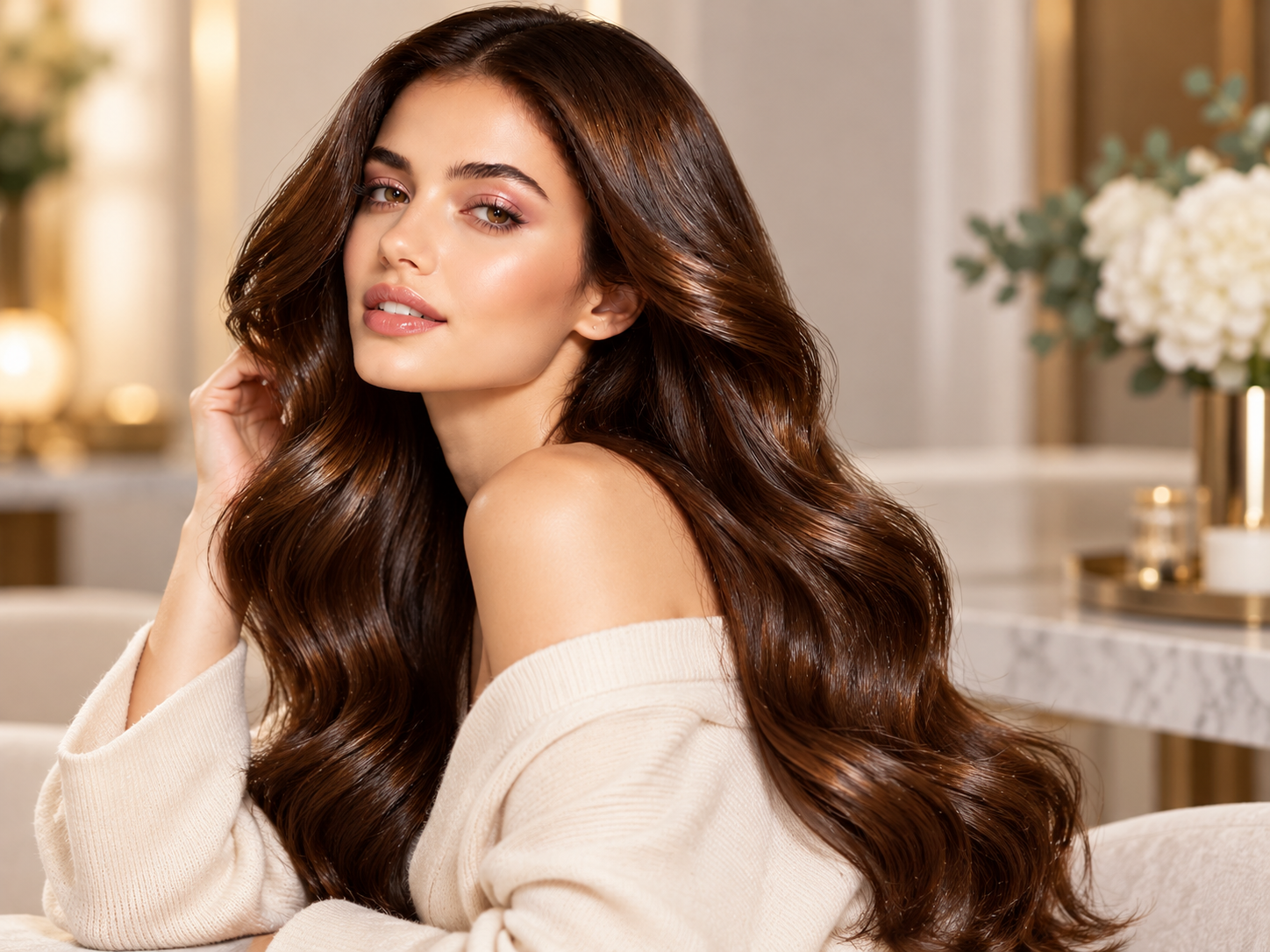
Frizzy hair can make hair colouring feel confusing. Many people worry that applying hair colour will make already-frizzy hair feel drier, rougher, or harder to manage. The good news is that hair colour for frizzy hair can be part of a proper hair care routine when you choose the right formula, prepare your hair correctly, and follow suitable aftercare.
Frizz is often linked to dryness, lack of moisture, humidity, heat styling, or damaged hair cuticles. Colouring does not automatically mean your hair will become more frizzy. The condition of your hair before colouring, the type of hair colour you choose, and how you care for coloured hair afterward all matter.
Yes, you can colour frizzy hair, but preparation is important.
If your hair is extremely dry, brittle, or damaged, it is better to focus on improving its condition before applying hair colour. Well-maintained hair generally feels smoother and is easier to colour evenly.
Before colouring, check your hair for:
If your hair is only mildly frizzy, you can generally proceed with colouring while maintaining a good moisturising routine.
Choosing the right hair colour for frizzy hair is not only about the shade. You should also consider the formulation and your hair’s condition.
If your hair tends to feel dry or rough, look for a hair colour formula that includes conditioning or nourishing ingredients.
Some hair colour products contain ingredients such as avocado oil, olive extracts, aloe vera, or herbal ingredients. These can complement a hair care routine designed for softer, more manageable-looking hair.
A Nisha Professional Fruit Care Hair Color Gel is formulated with avocado oil and is positioned to provide colour while helping maintain softness, smoothness, and moisture.
Frizz does not determine which shade you should choose. Your natural hair colour, percentage of grey, desired result, and maintenance routine are more important factors.
Popular options include:
If you want a subtle change, choose a shade close to your existing hair colour. For a more noticeable transformation, consider a contrasting or warmer shade.
If you are colouring to cover grey hair, select a product specifically designed for grey coverage. Applying an unsuitable shade or formula can result in uneven-looking colour.
Some hair colour formats are designed for complete grey coverage, including crème, gel, shampoo-based, and henna-based options.
Preparation can make the colouring process easier and help your hair feel more manageable.
Look at the overall condition of your hair before colouring. If it feels extremely dry or breaks easily, give it some extra care before colouring.
Avoid colouring immediately after aggressive heat styling or other treatments that have left your hair weak.
Use a suitable shampoo and conditioner routine to help keep dry and frizzy hair manageable.
The hair care range includes shampoos, conditioners, and Eversilk Serums, including an argan oil serum option. These types of products can be incorporated into a routine focused on improving softness, manageability, and shine.
Frequent straightening, curling, and blow-drying can contribute to dryness and frizz.
Before colouring, reduce unnecessary heat styling. After colouring, use heat-protection practices and avoid using very high temperatures frequently.
Always follow the product’s safety instructions, including any recommended patch test, before applying hair colour.
Do not skip this step simply because you have coloured your hair before.
Once your hair is prepared, follow the instructions provided with your selected product.
Select the shade according to your natural base, desired result, and grey coverage requirements.
Different hair colour types have different preparation methods. Some are ready to use, while others require mixing.
Gel hair colour may require the colourant and developer to be mixed in a specified ratio. Always follow the instructions supplied with the individual product.
Divide your hair into manageable sections. This makes it easier to distribute the colour evenly, particularly if your hair is thick, curly, or frizzy.
Apply the colour carefully from the required areas, ensuring that the product is distributed evenly.
Avoid roughly rubbing or pulling frizzy hair during application.
Do not leave hair colour on longer than instructed. A longer processing time does not necessarily create a better colour result.
Rinse the colour according to the product instructions until the water runs clear or as directed.
Some products recommend applying conditioner after rinsing. The instructions for Nisha Professional Fruit Care Hair Color Gel include conditioning after rinsing.
After colouring, your routine becomes especially important if your hair is naturally frizzy.
Avoid unnecessarily harsh washing routines. Choose products according to your hair type and focus on maintaining softness and manageability.
Conditioner can help make hair feel smoother and easier to manage after washing.
Pay particular attention to the mid-lengths and ends, where dryness and frizz are often more noticeable.
A hair serum can help improve the appearance of frizz and make hair look smoother.
Argan oil-based serums are commonly used in hair care routines for dry and frizzy-looking hair. Apply a small amount to the lengths and ends rather than using too much product.
If you regularly use a straightener, curler, or blow dryer, avoid excessive heat. Use suitable heat-protection measures and keep styling temperatures controlled.
Frequent washing can affect how long colour remains vibrant, depending on the colour formula and your individual hair routine.
Use a washing schedule that works for your scalp and hair type, while avoiding unnecessarily frequent washing.
Curly hair can naturally appear more textured and dry because its shape can make it harder for natural oils to travel from the roots to the ends.
If your curly hair is also frizzy, focus on maintaining moisture and reducing unnecessary manipulation.
When applying hair colour:
A nourishing hair care routine can help curly, coloured hair look smoother while maintaining its natural texture.
If your hair is severely damaged, colouring immediately may not be the best approach. Improve its condition first.
Repeated high-heat styling can make dry, frizzy hair look rougher.
The final result depends on your starting hair colour. Always consider your natural or current shade before selecting a colour.
Poor sectioning can leave some areas with more product than others. Take your time during application.
Hair colour maintenance does not stop after rinsing. Shampoo, conditioner, serum, heat protection, and regular hair care all contribute to the appearance of coloured hair.
Ammonia-free hair colour is an option for people who prefer formulations without ammonia. However, “ammonia-free” does not mean that every formula will be suitable for every hair type.
Look at the complete formulation, your hair condition, and the product’s instructions rather than choosing a colour based on one ingredient alone.
The Natural Henna Based Hair Color Dark Brown product is described as ammonia-free and contains ingredients including Amla, Shikakai, Aloe Vera, and Hibiscus. It is positioned for grey coverage while helping leave hair soft and glossy.
Yes. You can colour frizzy hair, provided it is in reasonable condition and you follow the correct application and aftercare routine. Very dry or damaged hair may need extra care before colouring.
Hair colour can affect hair texture depending on the formula, application, and existing hair condition. Proper preparation, conditioning, and aftercare can help maintain softer, manageable-looking hair.
Look for a formula suited to your hair condition and colouring needs. Products containing conditioning or nourishing ingredients may be useful as part of a complete hair care routine.
Yes, but section the hair carefully and apply the product evenly. Follow the product’s instructions, recommended processing time, and safety directions.
Use regular conditioning, a suitable hair serum, gentle washing, and controlled heat styling. Avoid excessive heat and rough handling, especially when the hair is wet.
Thick hair can look beautiful and full, but applying hair color to thick hair can require extra care. Because thick hair has more strands and...
Thin hair can look beautiful with the right hair color, but choosing a suitable formula, shade, and coloring method is important. Because fine or thin...
Frizzy hair can make hair colouring feel confusing. Many people worry that applying hair colour will make already-frizzy hair feel drier, rougher, or harder to...