
Hair Colour and Hair Texture: Why Results Can Look Different
Hair color can look different from one person to another because hair texture, thickness, porosity, natural color, and previous treatments affect how color develops. Fine,...


Category:Hair Care
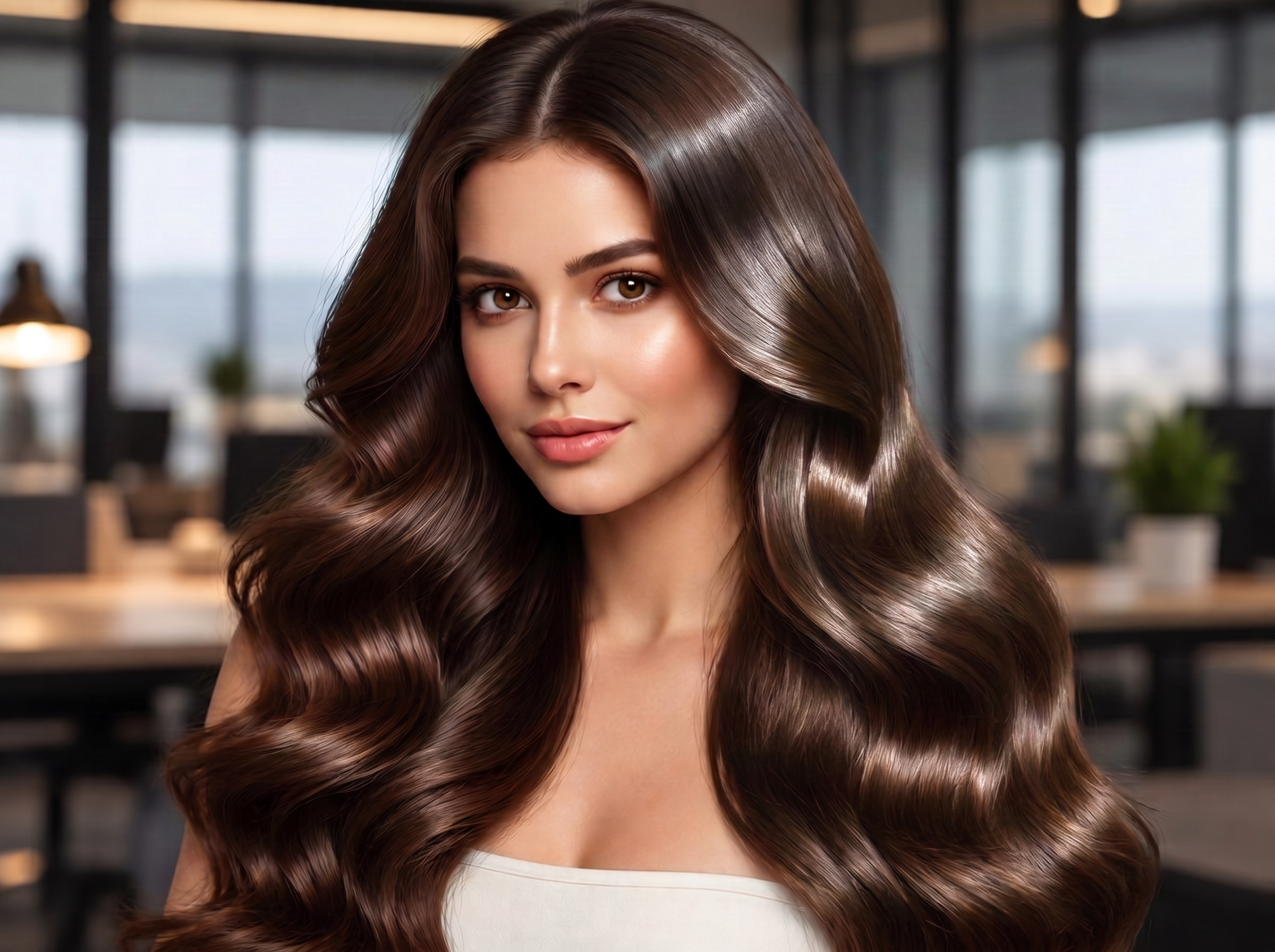
Winter can make your hair dry, rough, frizzy and difficult to manage. Cold air, low humidity, indoor heating and hot showers can remove moisture from your hair, leaving it dull and more likely to break. If you already have dry or coloured hair, these problems may become more noticeable during the winter season.
The good news is that a simple winter hair care routine can help maintain moisture, improve softness and reduce frizz. With the right hair care products and a few healthy habits, you can keep your hair smooth, shiny and manageable throughout the season.
In this guide, you will learn practical hair care tips for dry hair in winter that are easy to follow at home.
Winter weather can affect the natural moisture balance of your hair and scalp. Low humidity can make hair lose moisture, while hot water and frequent shampooing may leave it feeling rough.
Here are some common causes of dry hair during winter:
Understanding these causes helps you choose the right winter hair care routine.
The first step in caring for dry hair is choosing a shampoo that cleans your scalp without leaving your hair feeling excessively dry.
Avoid washing your hair with very hot water. Instead, use lukewarm water and select a gentle shampoo suitable for your hair type. If your hair is dry, consider a moisturising or sulfate-free formula.
You can browse the hair care product range to find options that suit your hair care needs.
Tip: Wash your hair according to your scalp’s needs rather than following a fixed daily schedule.
Conditioner is essential for dry hair, especially during winter. It helps smooth the hair surface, improves manageability and reduces friction that can contribute to breakage.
After shampooing, apply conditioner mainly to the mid-lengths and ends of your hair. Leave it on for the recommended time before rinsing thoroughly.
If your hair is particularly dry or damaged, a conditioning treatment once a week may help improve softness.
Tip: Focus on the ends because they are generally older and more prone to dryness and damage.
A suitable hair oil can help lubricate the hair, reduce friction and improve softness. Gentle oiling before shampooing may be useful if your hair feels rough or tangled.
Follow these simple steps:
Avoid aggressive massage or pulling tangled hair, as this can cause unnecessary breakage.
Dry winter air can make hair look frizzy, dull and difficult to style. A hair serum can help smooth the hair surface, improve shine and make detangling easier.
Apply a small amount of serum to damp or dry hair, depending on the product instructions. Concentrate on the mid-lengths and ends instead of applying too much near the roots.
For additional care options, look for products such as hair serums that suit your hair texture and styling needs.
Tip: Start with a small quantity. Using too much serum can make fine hair look greasy or weighed down.
Frequent heat styling can worsen winter dryness and make hair more vulnerable to breakage. Give your hair regular breaks from straighteners, curling irons and high-temperature blow-drying.
Follow these habits to protect your hair:
These simple changes can help preserve hair smoothness and reduce avoidable damage.
Your hair needs protection from environmental stress during winter. Wind and friction from clothing can increase tangling, especially if you have long, curly or dry hair.
Cover your hair with a comfortable scarf or hat when outdoors. Choose a soft fabric and avoid tying your hair too tightly underneath it.
At night, use a smooth pillowcase and gently detangle your hair before sleeping. If your hair is long, a loose braid can help reduce tangling.
Healthy-looking hair also depends on your everyday habits. Eat a balanced diet that includes protein, healthy fats, vitamins and minerals. Drink enough water and avoid harsh brushing when your hair is wet.
Keep your routine simple and consistent:
If you have persistent scalp irritation, unusual hair loss or severe breakage, consult a qualified dermatologist.
If you regularly colour your hair, winter dryness may make your strands feel rougher and appear less shiny. Proper aftercare can help maintain a smoother appearance and keep your colour looking fresh.
Follow these precautions:
If you are planning to colour your hair during winter, choose a product suitable for your hair condition and follow the application instructions carefully. Avoid colouring hair that is severely damaged or an irritated scalp without professional advice.
Remember that hair colour maintenance and moisture care work together. A good routine can help coloured hair look healthier, softer and more vibrant.
Even a good hair care routine may not work well if you make habits that increase dryness.
Avoid these common mistakes:
Small changes in your daily routine can make winter hair care easier and more effective.
Use a gentle shampoo, condition after every wash, reduce heat styling and apply a suitable serum to help manage dryness and frizz. Protect your hair from cold winds and avoid very hot showers.
There is no single washing schedule for everyone. Wash according to your scalp’s oiliness, activity level and hair type. If your hair feels dry, avoid unnecessary washing and use a gentle shampoo.
Yes, a suitable hair oil can help lubricate the hair, improve softness and reduce friction. Apply it in moderation and choose a product that suits your scalp and hair type.
A gentle shampoo, moisturising conditioner and suitable hair serum are useful starting points. People with very dry hair may also benefit from a conditioning mask. Choose products according to your hair texture and scalp needs.
Use colour-friendly shampoo and conditioner, limit heat styling, condition regularly and apply a suitable serum to the lengths and ends. Follow the manufacturer’s instructions for colour maintenance and avoid unnecessary chemical treatments.
Dry hair during winter is common, but the right routine can help reduce roughness, frizz and breakage. Start with a gentle shampoo, use conditioner regularly, protect your hair from heat and cold weather, and choose suitable products for your hair type.
If you have coloured hair, pay extra attention to conditioning and gentle styling to maintain softness and shine. Consistency matters more than using too many products. Follow these hair care tips for dry hair in winter to keep your hair manageable, smooth and healthy-looking throughout the season.

Hair color can look different from one person to another because hair texture, thickness, porosity, natural color, and previous treatments affect how color develops. Fine,...

Choosing the right hair color is not only about selecting a beautiful shade. Your hair type, texture, thickness, dryness, previous treatments, and natural color can...

How to Choose Best Hair Color for Indian Hair Indian hair is incredibly diverse. Natural shades range from deep black to different levels of brown,...