
Hair Colour and Hair Texture: Why Results Can Look Different
Hair color can look different from one person to another because hair texture, thickness, porosity, natural color, and previous treatments affect how color develops. Fine,...


Category:Hair Color
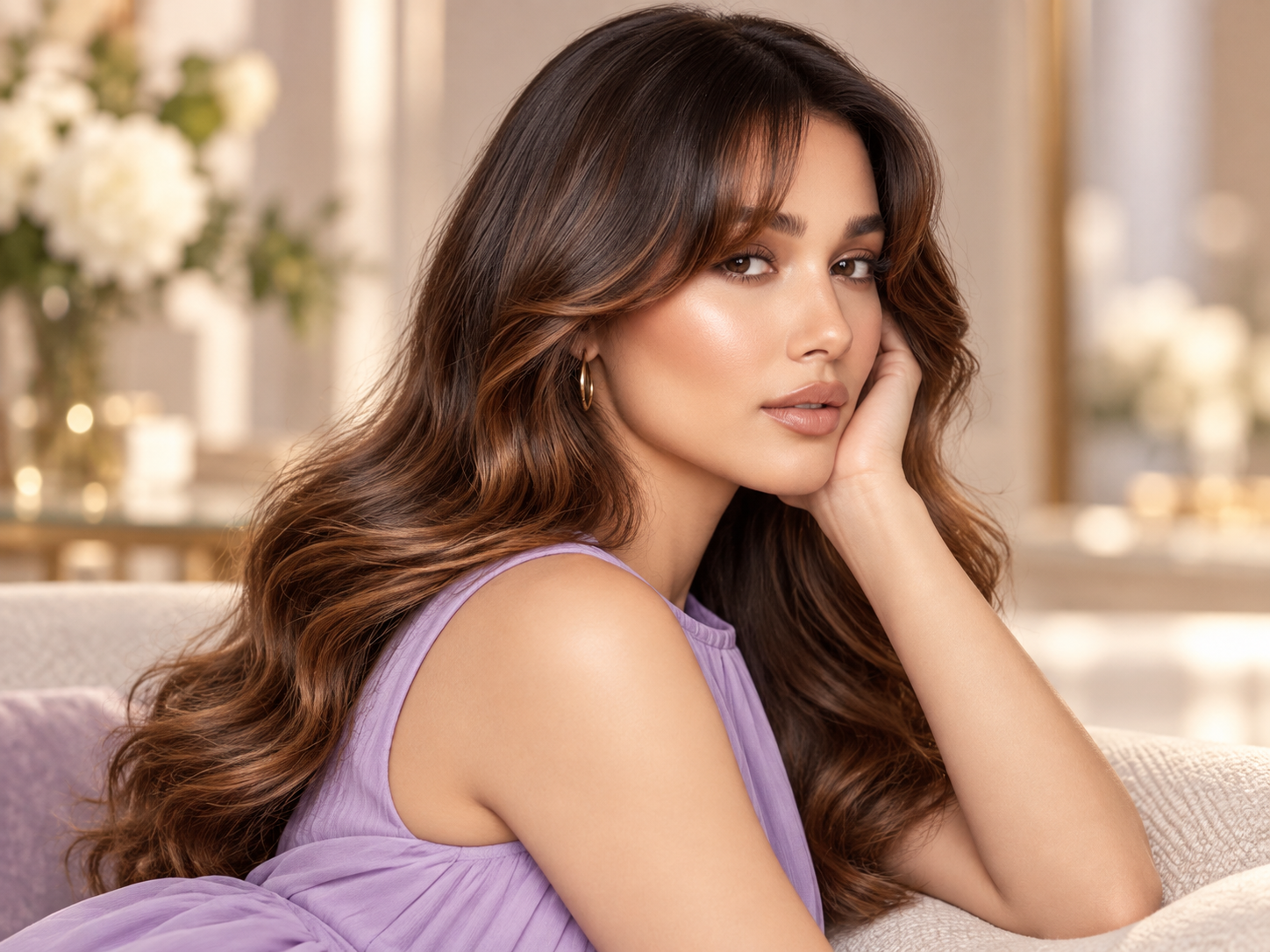
Hair color can look different from one person to another because hair texture, thickness, porosity, natural color, and previous treatments affect how color develops. Fine, thick, curly, dry, or chemically treated hair may absorb and reflect color differently. Choosing the right shade and applying the product evenly can help create more consistent results.
Choosing the same hair color does not always mean getting exactly the same result. Your natural hair condition and texture can change how the color appears after application.
Hair texture refers to whether your strands are fine, medium, or coarse, while hair type can also describe whether the hair is straight, wavy, curly, or coily. These characteristics can influence how evenly the color spreads, how quickly the hair absorbs it, and how light reflects from the finished result.
Smooth and healthy-looking hair may reflect more light, making the shade appear brighter and shinier. Dry or porous hair may absorb color faster and sometimes appear deeper in certain areas.
Fine hair has smaller individual strands and may absorb color differently from thicker hair. Because the strands are delicate, the final shade can sometimes appear more intense.
When coloring fine hair, even application is important. Avoid applying too much product to one section while leaving another section with less coverage.
Thick hair contains larger strands and may require careful sectioning during application. If the product is not distributed evenly, some areas may receive more color than others.
Divide thick hair into manageable sections and make sure the color reaches the roots, mid-lengths, and ends according to the product instructions.
Curly and wavy hair has a different surface pattern compared with straight hair. The bends and curves of the strands can make application more challenging.
For more even hair color results, work in small sections and spread the product carefully. Avoid rushing through the application, especially around areas where the hair is denser.
Dry and porous hair can absorb color differently because the hair surface may not hold moisture evenly. This can sometimes make certain sections look darker or more saturated.
A consistent hair care routine before and after coloring can help maintain a smoother appearance. Conditioning products can also support softness and manageability after coloring.
Yes. Your starting hair color plays an important role in how a new shade looks.
Applying a brown shade to naturally dark hair may create a subtle change, while the same shade can appear noticeably different on lighter hair. Grey or white strands may also reflect light differently from pigmented strands.
This is why the shade shown on a package should be considered a reference rather than a guarantee of an identical result. Your natural base, previous color, texture, and condition all contribute to the final appearance.
For people looking for dependable coverage, Nisha Crème Hair Color shades include options such as Natural Black, Natural Brown, Dark Brown, Chocolate Brown, Mahogany, blonde shades, and other tones. The range is designed for even application and grey coverage.
Hair porosity describes how easily hair absorbs and retains moisture and other products. Hair with higher porosity may absorb color quickly, while lower-porosity hair can behave differently during application.
Porosity can vary across the same head of hair. For example, new growth near the roots may have a different texture from older, chemically treated ends.
This is one reason why the same hair color can sometimes appear slightly different at the roots and lengths.
Understanding these differences can help you plan your coloring routine more carefully.
Selecting a shade should involve more than simply choosing a color you like. Consider your natural hair color, grey percentage, texture, previous treatments, and the level of change you want.
If grey coverage is your main goal, choose a shade specifically intended for grey coverage and follow the recommended processing instructions.
A product such as Natural Black Crème Hair Color is formulated for coverage from roots to tips and contains sunflower, avocado, and henna extracts.
Brown shades can create anything from a subtle enhancement to a noticeable transformation. Chocolate Brown, Natural Brown, Light Brown, and Golden Brown are examples of shades that can be selected according to the desired result.
For a warm, richer appearance, Chocolate Brown Hair Color is one available option.
Dark hair generally requires careful shade selection because the existing base strongly influences the visible result. Dark Brown, Natural Black, Original Black, and other deeper shades can provide a more natural-looking change when selected close to the existing hair color.
Look at your natural or current hair color before selecting a shade. Consider grey areas and previously colored sections separately.
Identify whether your hair is fine, medium, thick, straight, wavy, or curly. This helps you understand how much sectioning and application control may be needed.
Always follow the specific instructions supplied with the hair color. Mixing ratios, processing times, and application methods can differ between products.
Sectioning makes it easier to distribute color evenly. Thick or long hair may require more sections to ensure complete coverage.
Apply the product carefully according to the instructions. Pay particular attention to areas with visible grey hair or uneven texture.
Do not randomly increase or decrease the processing time. Follow the time recommended for the particular product.
Rinse thoroughly and use the recommended conditioner or after-color care. Conditioning helps hair feel softer and easier to manage after coloring.
Several factors can contribute to uneven results:
The goal is not simply to choose a beautiful shade but to prepare the hair and apply the product correctly.
After coloring, use a suitable hair care routine based on your hair’s needs. Dry or coarse hair may benefit from regular conditioning, while fine hair may need lightweight products that do not make it feel heavy.
Avoid excessive heat styling and protect the hair from unnecessary dryness. Gentle washing and regular conditioning can help maintain softness and shine.
A Chocolate Brown Crème Hair Color provides a rich shade while the formula includes sunflower, avocado, and henna extracts for conditioning support.
Natural hair color, texture, thickness, porosity, grey percentage, and previous chemical treatments can all affect the final appearance.
Yes. Fine, thick, curly, dry, and porous hair can absorb and reflect color differently, which may change how the finished shade looks.
A shade designed for grey coverage can be suitable when grey coverage is the main goal. Select a shade according to your natural base and follow the product’s application instructions.
Uneven porosity, previous treatments, uneven application, or differences in hair thickness can cause some sections to absorb more color than others.
The final result may vary because your starting hair color, texture, porosity, grey coverage, and previous color all influence the outcome. A strand test can help you understand how the shade may appear on your hair.
Hair color results depend on more than the shade selected. Hair texture, natural color, porosity, thickness, grey coverage, and previous treatments can all influence how the final color appears.
Understanding your hair before coloring can help you select a suitable shade and apply it more evenly. With the right preparation, careful sectioning, correct application, and consistent after-color care, you can achieve richer, smoother, and more even-looking hair color results across different hair textures.
Hair color can look different from one person to another because hair texture, thickness, porosity, natural color, and previous treatments affect how color develops. Fine,...
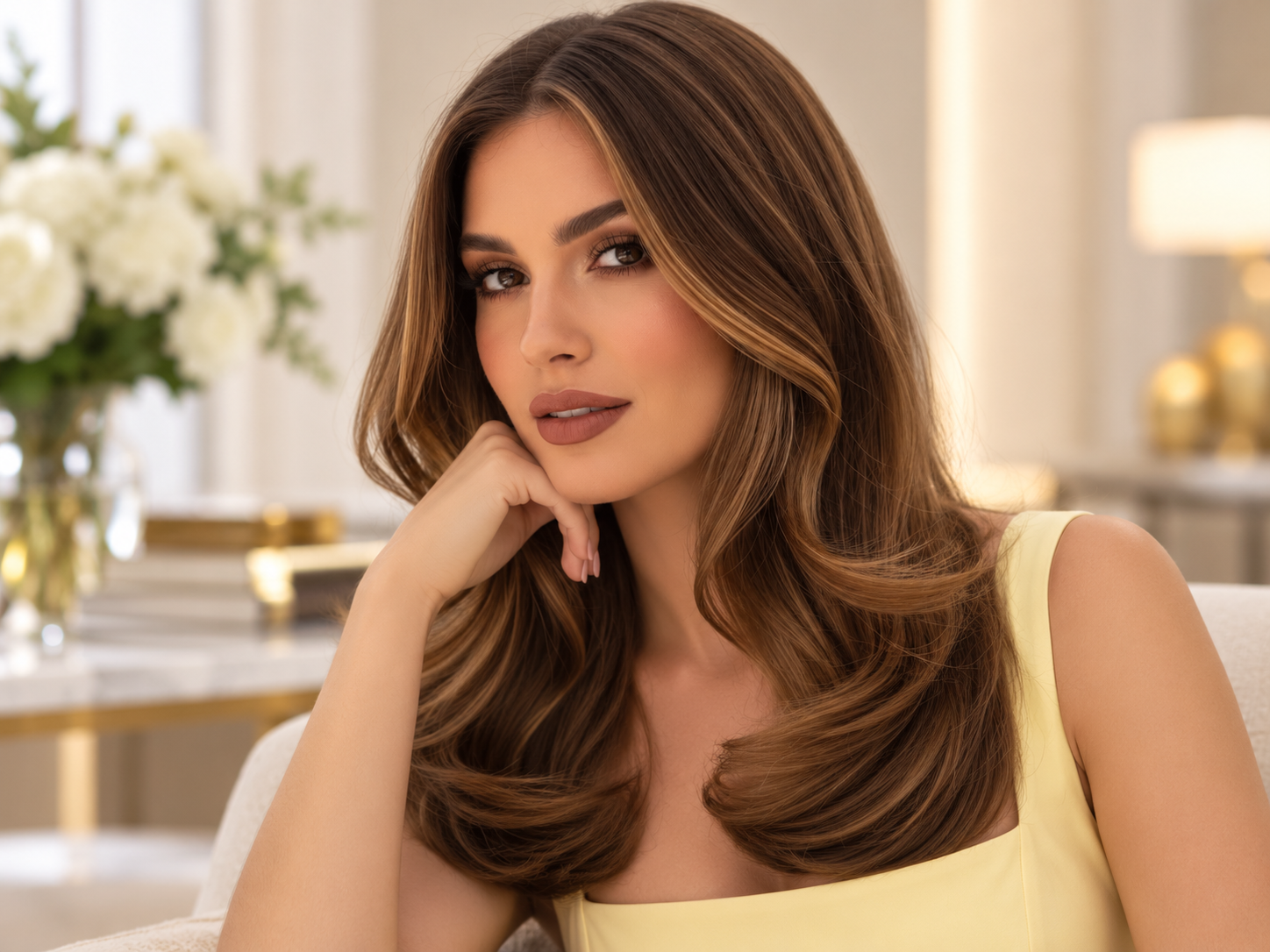
Choosing the right hair color is not only about selecting a beautiful shade. Your hair type, texture, thickness, dryness, previous treatments, and natural color can...
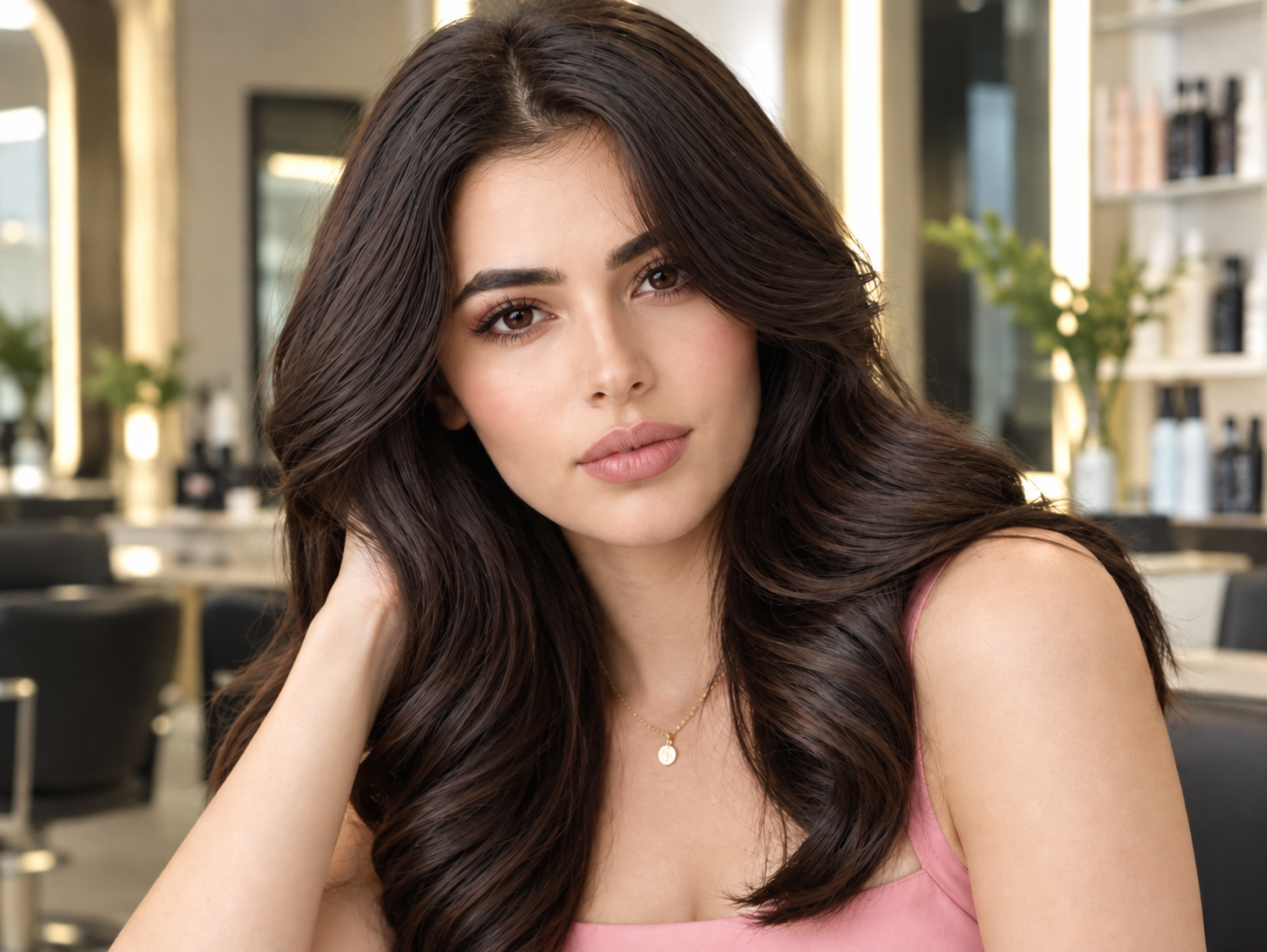
How to Choose Best Hair Color for Indian Hair Indian hair is incredibly diverse. Natural shades range from deep black to different levels of brown,...