
Hair Colour and Hair Texture: Why Results Can Look Different
Hair color can look different from one person to another because hair texture, thickness, porosity, natural color, and previous treatments affect how color develops. Fine,...


Category:Hair Color
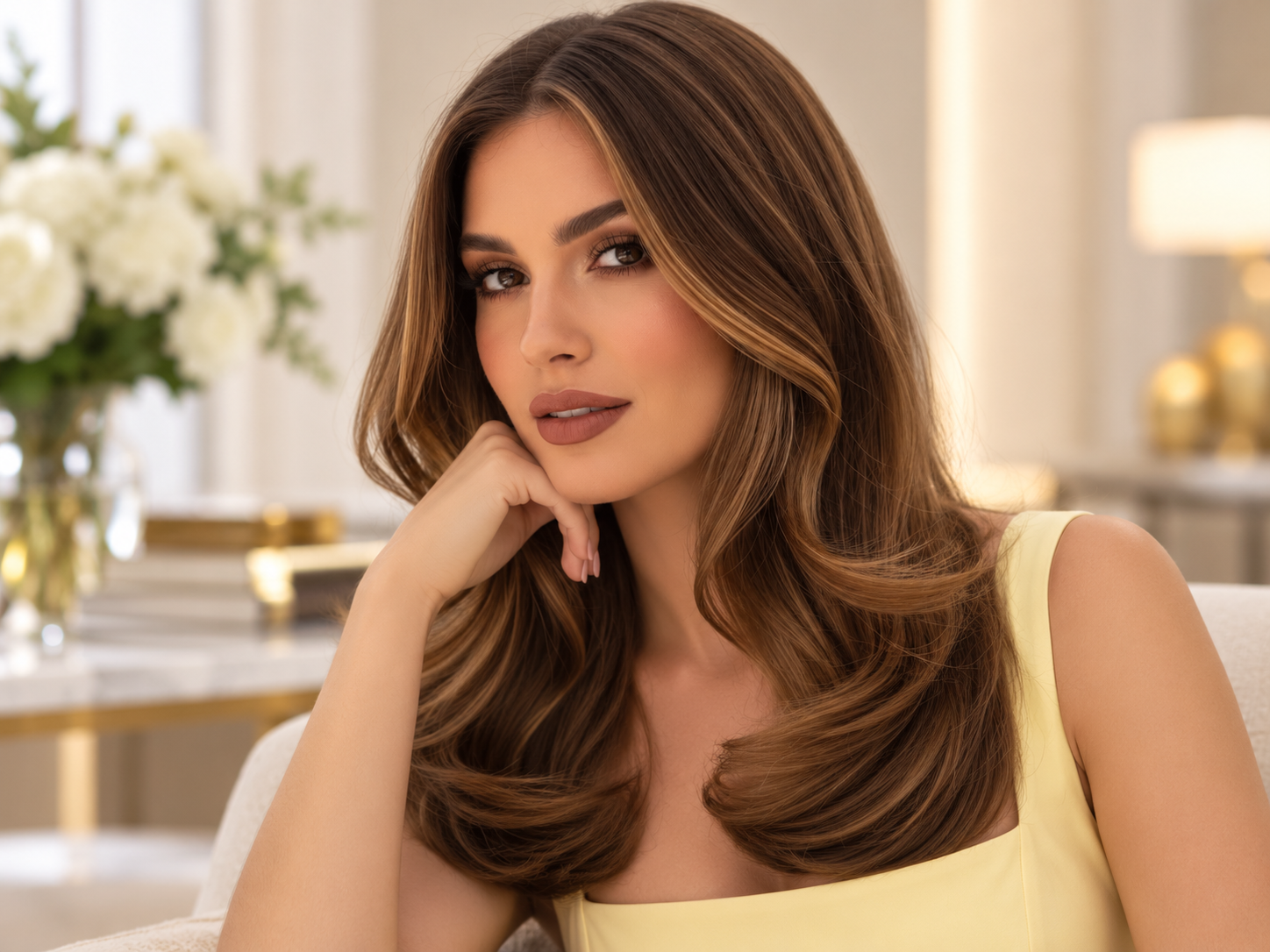
Choosing the right hair color is not only about selecting a beautiful shade. Your hair type, texture, thickness, dryness, previous treatments, and natural color can all affect how the final result looks. The same shade may appear slightly different on straight, curly, thick, fine, dry, or chemically treated hair.
A good hair coloring routine starts with understanding your hair and choosing a suitable formula and shade. Whether you want hair color for grey coverage, a natural-looking brown, a lighter shade, or a bold change, knowing your hair texture can help you achieve a more even and attractive result.
Hair texture affects how color spreads and how evenly it develops. Fine hair may absorb color quickly, while thick or coarse hair can sometimes need more careful application to achieve even coverage.
Porosity is another important factor. Dry or damaged hair may absorb color differently from healthy hair. Previously colored or chemically treated hair can also react differently compared with untreated hair.
Before selecting a shade, consider:
For different shade options, you can browse the available crème hair color shades and select a color according to your desired result.
Straight hair usually provides a smooth surface, making the color easier to see. However, very straight and fine hair can sometimes show uneven application more clearly.
For straight hair:
Natural brown, chocolate brown, dark brown, and black shades can create a polished appearance on straight hair.
Curly hair has a different surface structure because of its bends and twists. The color may appear slightly different throughout the curls, especially when the hair has varying levels of dryness or porosity.
For hair color for curly hair, focus on even saturation rather than simply applying more product.
Before coloring:
A nourishing formula can be particularly useful when coloring curls because maintaining softness and manageability is important.
Wavy hair falls between straight and curly textures. Because waves create movement and dimension, the final shade can appear slightly different under various lighting conditions.
Medium brown, chocolate brown, golden brown, mahogany, and burgundy can create attractive results depending on your natural base.
When applying color, make sure every section receives enough product. Uneven application can become more noticeable when the waves move naturally.
Fine hair has a smaller strand diameter and may appear more delicate. Color selection should therefore focus on the desired appearance as well as the condition of the hair.
For hair color for thin hair, softer brown shades can provide a natural-looking change without making the overall appearance feel too harsh.
Fine hair may also process differently, so always follow the product instructions rather than leaving the color on longer for a stronger result.
Thick hair contains more strands and can require careful sectioning to achieve complete coverage. Coarse hair may also have a different absorption pattern.
For hair color for thick hair:
For those looking for stronger grey coverage, Nisha Crème Hair Color offers shades such as Natural Black and is described as providing 100% grey coverage from roots to tips.
Dry hair needs extra attention before and after coloring. Coloring should be approached carefully when the hair already feels rough, brittle, or excessively dry.
Before coloring dry hair:
After coloring, use gentle cleansing and regular conditioning to help maintain softness.
Previously bleached, straightened, relaxed, or chemically treated hair can have a different porosity from untreated hair. This can affect how the color develops.
If your hair is chemically treated, assess its condition before coloring. Hair that is severely weakened may need a recovery period before another chemical service.
For a coloring option containing conditioning ingredients, the product information for Nisha Crème Hair Color in Chocolate Brown lists sunflower, avocado, and henna extracts and describes the formula as providing nourishment, softness, shine, and long-lasting color.
Hair texture and shade selection work together. The same color can create different visual effects depending on the hair’s natural movement.
Medium and darker shades can create a defined, polished appearance. Chocolate brown, dark brown, and natural brown are commonly chosen for a subtle change.
Rich brown and darker shades can provide a bold, uniform appearance. Proper sectioning is especially important for even coverage.
Warm browns, mahogany, burgundy, and chocolate shades can add visible depth to textured hair. Because curls reflect light differently across the hair, the shade may appear multidimensional.
If grey coverage is the main goal, choose a shade specifically designed for coverage and follow the application instructions carefully. Natural black, natural brown, dark brown, and other classic shades can create a more natural-looking result.
Consider your natural color, grey coverage needs, skin preference, and desired result. Do not choose a shade only from a picture because the final result can vary according to your starting hair color.
Always check the product instructions before mixing or applying the color. Different formulas can have different mixing ratios and processing times.
Hair should be prepared according to the product instructions. Keep gloves, a suitable bowl or application tools, and the required color and developer ready.
Separate the hair into sections. This makes it easier to distribute the color evenly, especially when you have thick or long hair.
Apply the mixture carefully to the required areas. Pay extra attention to grey roots and areas where coverage is needed.
Do not assume that leaving color on longer will produce a better result. Follow the stated processing time.
Rinse thoroughly and use the recommended conditioner. Proper post-color care can help maintain softness, shine, and the appearance of fresh color.
Color maintenance depends on both the product and your hair’s condition. Wash according to your hair needs and avoid excessive heat styling.
For curly and dry hair, regular conditioning can help maintain softness. Fine hair may need lightweight products that do not make it feel heavy. Thick hair can benefit from consistent conditioning through the lengths and ends.
Protecting hair from excessive heat, following a suitable wash routine, and avoiding unnecessary chemical treatments can also help maintain the appearance of colored hair.
Some common mistakes can affect the final result:
A strand test can also help you understand how a particular shade may develop on your hair before applying it more widely.
Curly hair can work with many shades, including chocolate brown, mahogany, burgundy, and natural brown. The important part is achieving even application and maintaining moisture.
Yes. Thick hair can be colored successfully, but proper sectioning and thorough application are important for even coverage.
Natural black, natural brown, dark brown, and other suitable shades can be used depending on the desired result. Choose a product that specifically states its grey-coverage capability.
Dry hair can be colored, but its condition should be considered first. If the hair is severely damaged or brittle, it is better to improve its condition before another chemical coloring process.
The final result depends on the natural hair color, porosity, texture, previous treatments, grey percentage, lighting, and application process. Therefore, the same shade can appear different on different hair types.
The right hair color should match more than your preferred shade. Hair type, texture, thickness, porosity, grey coverage, and previous chemical treatments can all influence the final result. Understanding these factors helps you select a shade and application method that works better for your individual hair.
Whether your hair is straight, curly, wavy, fine, thick, dry, or chemically treated, careful preparation and consistent aftercare can help you maintain a rich, smooth, and healthy-looking color.
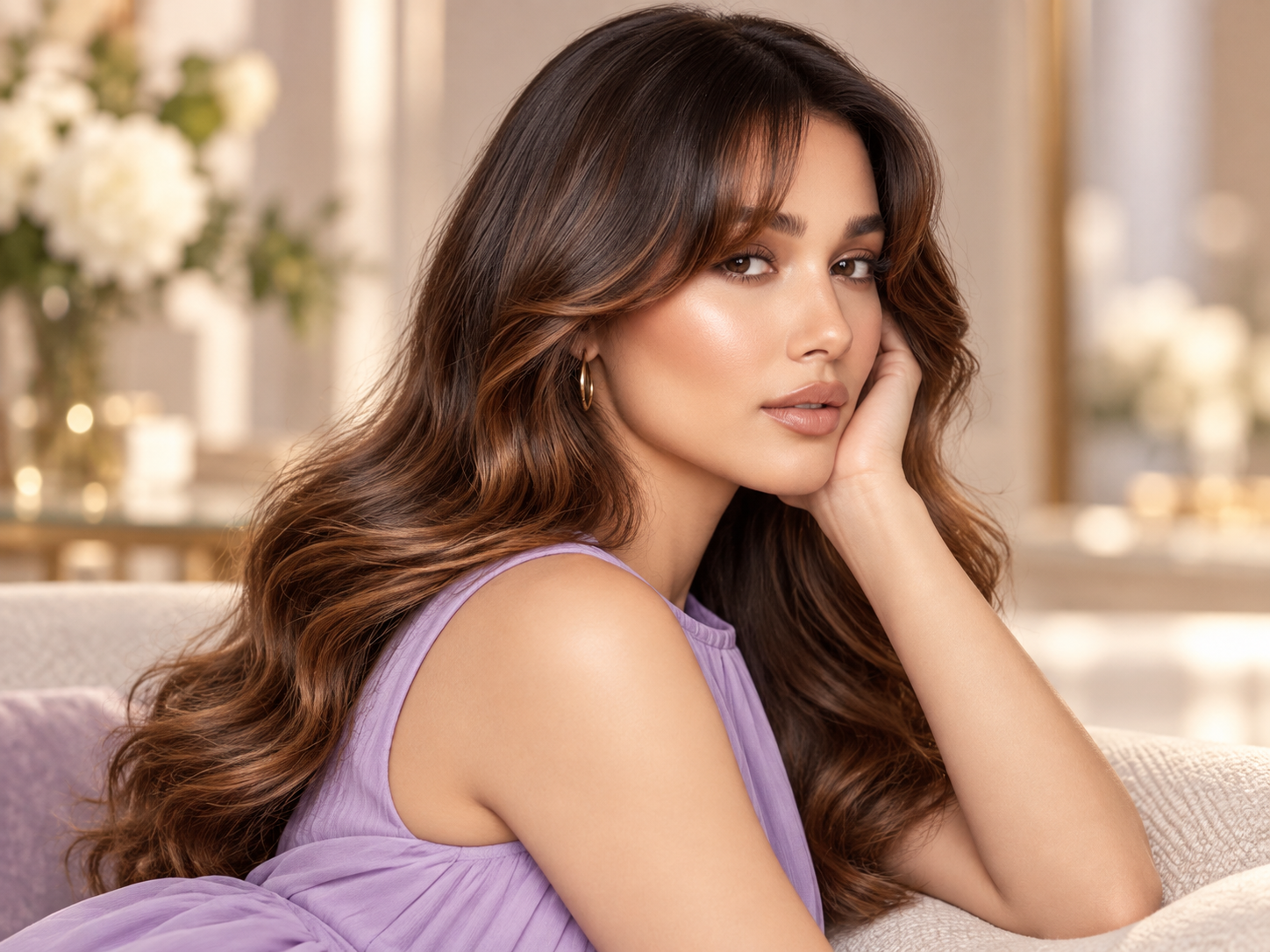
Hair color can look different from one person to another because hair texture, thickness, porosity, natural color, and previous treatments affect how color develops. Fine,...
Choosing the right hair color is not only about selecting a beautiful shade. Your hair type, texture, thickness, dryness, previous treatments, and natural color can...
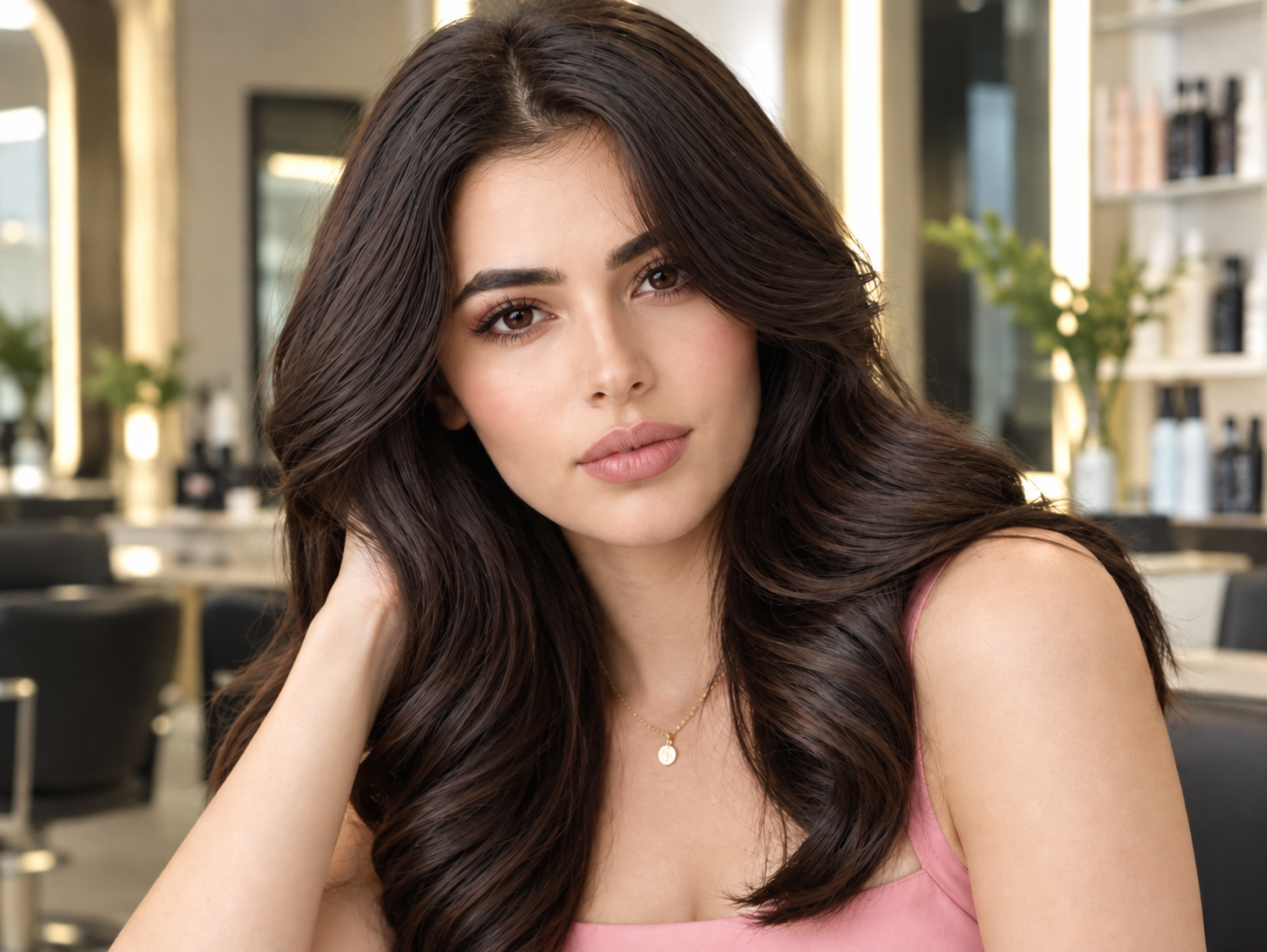
How to Choose Best Hair Color for Indian Hair Indian hair is incredibly diverse. Natural shades range from deep black to different levels of brown,...