
Top Hair Color in India
Quick Answer The top hair color in India depends on your natural hair color, grey coverage needs, desired shade, and overall hair goals. Popular options...


Category:Hair Color
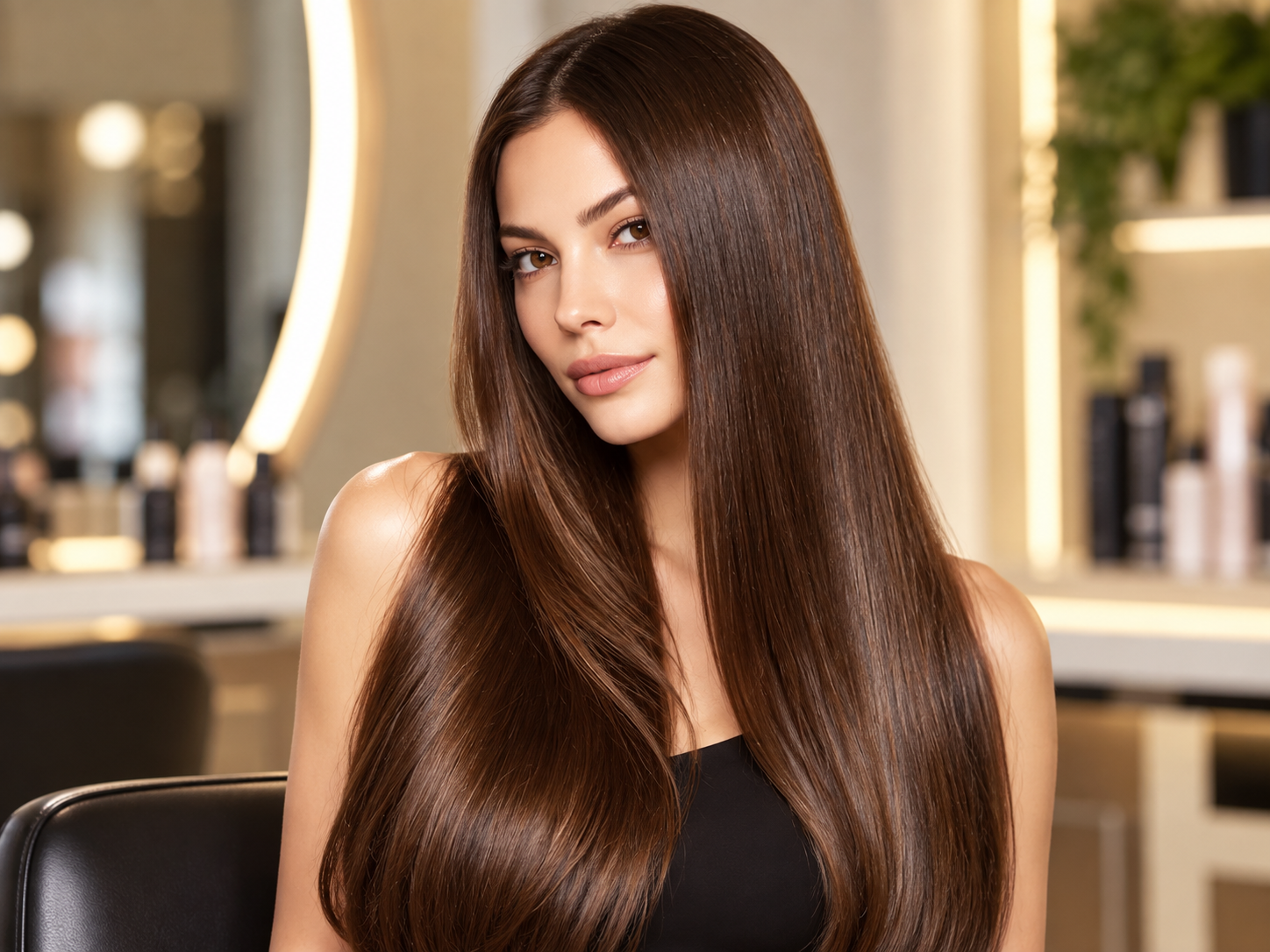
Quick Answer
The best hair color in India depends on your natural hair color, grey coverage needs, desired look, skin undertone, and preferred application method. Natural black, dark brown, chocolate brown, burgundy, and mahogany are popular choices, while cream, henna-based, shampoo-based, and gel formats offer different colouring experiences.
Indian hair can range from naturally black and dark brown to lighter brown shades. This means there is no single shade that works for everyone. The right choice depends on your starting hair colour, amount of grey hair, desired result, and maintenance routine.
For a natural-looking appearance, shades such as natural black, dark brown, chocolate brown, and natural brown can be considered. If you want a more noticeable change, burgundy, mahogany, auburn, or warmer brown shades can add more dimension to the look.
The formulation also matters. Hair colour is available in different formats, including crème, powder, shampoo-based, and gel options. Each format can suit different application preferences.
Choosing the best hair color in India becomes easier when you consider a few important factors before selecting a shade.
Your current hair colour affects how the final shade may appear. A shade applied to naturally black hair may look different from the same shade applied to light brown hair.
If you are colouring your hair for the first time, choosing a shade relatively close to your existing colour can be a practical starting point. For a subtle appearance, natural black, dark brown, or natural brown can work well. For a warmer transformation, chocolate brown, mahogany, or burgundy can be considered.
Always check the product’s shade chart and instructions before application.
Grey coverage is one of the most common reasons people colour their hair. If your main goal is to cover grey hair, look for a product specifically designed or positioned for grey coverage.
The amount of grey hair also matters. Someone with a few grey strands may have different requirements from someone with extensive grey coverage needs.
Crème, henna-based, and other hair-colouring formats are available for different colouring requirements. The product instructions should always be followed for the expected coverage and application process.
Think about the result you want before choosing a shade.
For a classic appearance, natural black can provide a deep, traditional look. Dark brown offers a softer alternative, while chocolate brown gives a rich and warm appearance.
If you prefer a more noticeable colour, burgundy and mahogany can add red and warm tones. Golden brown and caramel-inspired shades can also provide a brighter appearance.
Skin undertone can be another useful consideration. Warm undertones may pair well with golden, caramel, warm chocolate, and copper-inspired shades, while cool undertones may complement ash brown, espresso, and cooler burgundy shades. Neutral undertones generally allow more flexibility.
Here are some commonly considered shades and the type of look they can create:
| Hair Colour | Look | Suitable For |
| Natural Black | Deep and classic | Natural appearance and grey coverage |
| Dark Brown | Soft and rich | Subtle colour change |
| Chocolate Brown | Warm and dimensional | Everyday stylish appearance |
| Natural Brown | Balanced and natural | People wanting a softer brown |
| Burgundy | Deep red-purple tone | Fashionable appearance |
| Mahogany | Warm brown-red tone | Rich and warm look |
| Golden Brown | Warm and bright | Those wanting more warmth |
The ideal shade depends on your natural hair colour, grey coverage requirements, skin undertone, and personal preference.
Correct application is important for an even-looking result. Always read the specific product instructions because application methods can differ between formulations.
Choose a shade based on your natural hair colour, grey coverage needs, and desired result. Check the shade chart before starting.
Follow the product’s preparation instructions. For products that require mixing, use the recommended quantities and method.
Apply the colour carefully to the required areas. For grey coverage, pay attention to areas where grey hair is most visible.
Leave the product on for the time specified in its instructions. Do not assume that a longer processing time will produce a better result.
A patch test and strand test should also be considered according to the product instructions before full application. A strand test can help you understand how the selected shade may appear on your hair.
After colouring, a suitable hair-care routine can help maintain the appearance of the shade.
Use hair-care products appropriate for coloured hair and avoid excessive heat styling. Regular conditioning and nourishing treatments can help keep hair feeling soft and manageable.
Washing frequency can also influence how quickly colour appears to fade. Protecting your hair from excessive sun exposure and using suitable hair-care products can further support colour maintenance.
For more guidance, read our hair colour care and maintenance guide.
Choosing a shade without considering your current hair colour is one common mistake. The same colour can look different depending on the starting shade.
Other mistakes include:
Taking a few minutes to understand the product, shade, and application instructions can help you achieve a more predictable result.
Natural black, dark brown, natural brown, and chocolate brown are commonly chosen when a natural-looking appearance is desired. The right choice depends on your existing hair colour and personal preference.
Choose a product specifically designed or positioned for grey coverage and select a shade that works with your natural hair colour. The amount of grey hair should also be considered.
Indian skin tones vary considerably. Chocolate brown, dark brown, natural black, burgundy, mahogany, and golden brown can all be considered depending on the individual’s undertone and desired appearance.
Neither format is automatically better for everyone. Crème and powder formulations offer different application experiences, so your preferred method, colouring needs, and product instructions should guide your choice.
Follow the product’s aftercare recommendations, avoid excessive heat, use suitable hair-care products, and reduce factors that can contribute to faster colour fading.
If you are looking for different formats and shades, the website currently features crème, henna-based, shampoo-based, and gel hair-colouring options, including shades such as Natural Black, Original Black, Dark Brown, Natural Brown, and Chocolate Brown.
You can explore the crème hair colour range to compare available shades and products.
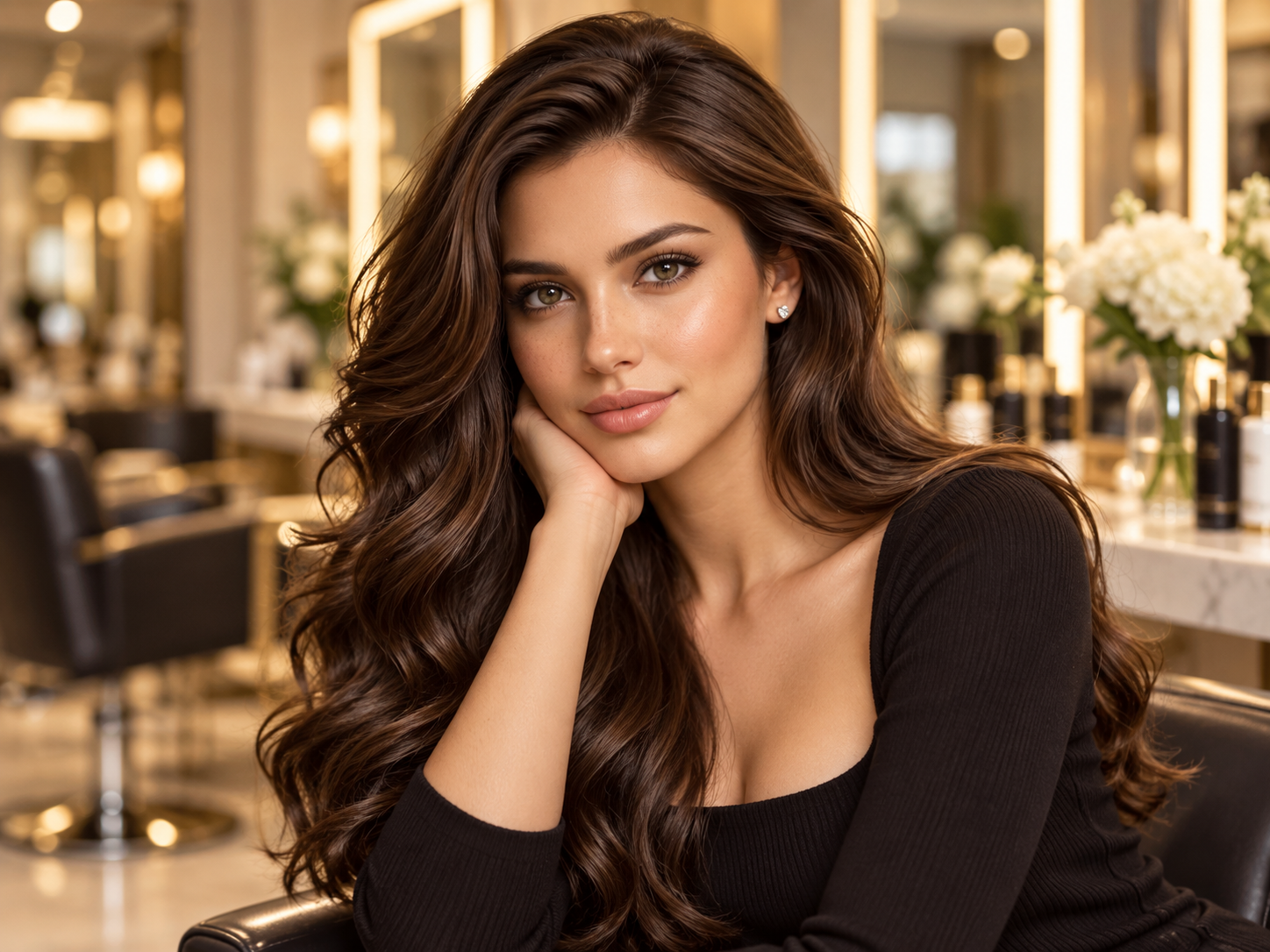
Quick Answer The top hair color in India depends on your natural hair color, grey coverage needs, desired shade, and overall hair goals. Popular options...
Quick Answer The best hair color in India depends on your natural hair color, grey coverage needs, desired look, skin undertone, and preferred application method....
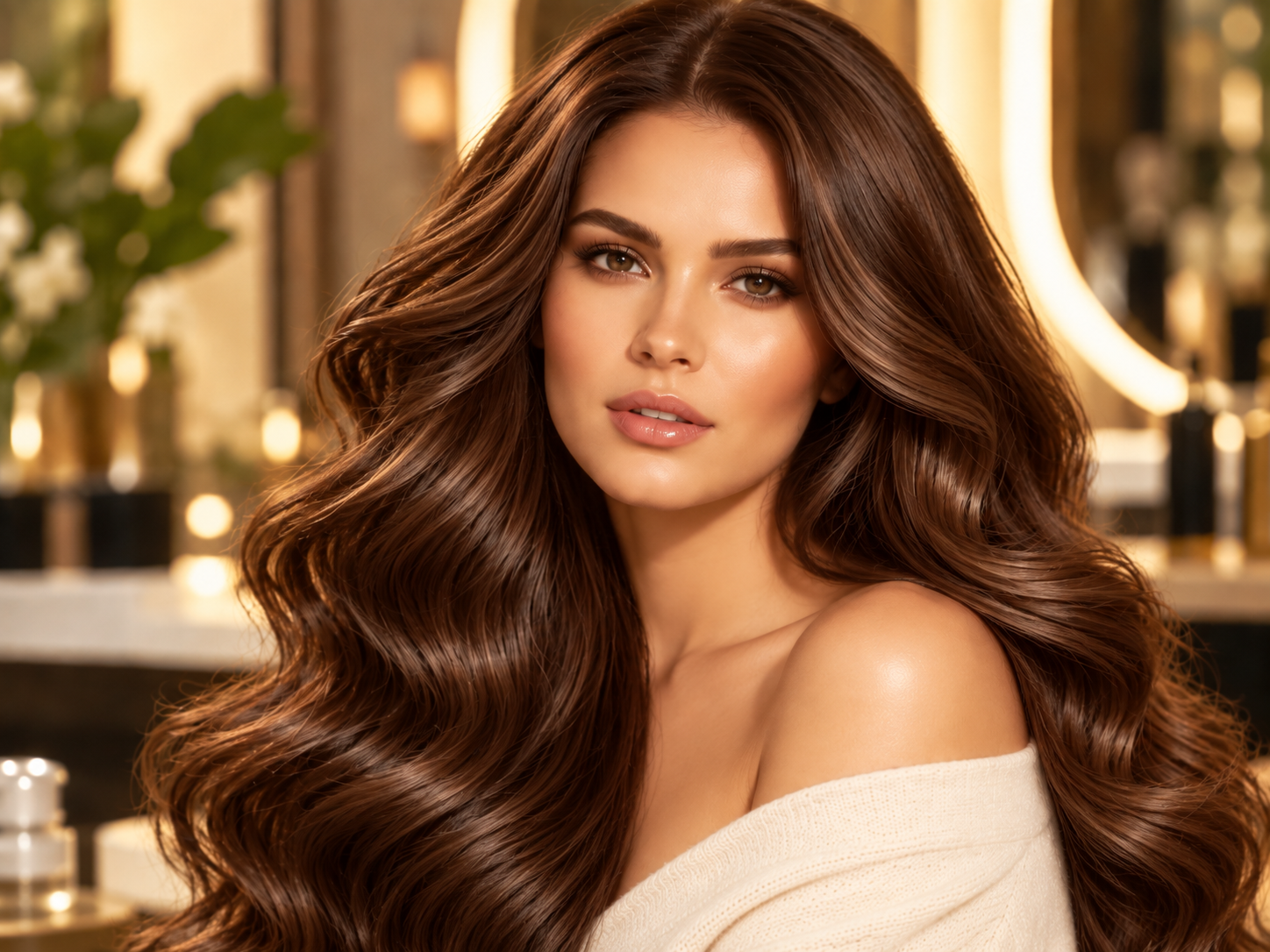
Coloured hair can look vibrant, glossy, and fresh when it is cared for correctly. However, frequent washing, heat styling, sunlight, and harsh hair products can...