
How to Choose Between Natural Black and Dark Brown Hair Colour
Choosing the right hair colour can completely change your appearance. Two of the most popular shades are natural black hair colour and dark brown hair...


Category:Hair Color
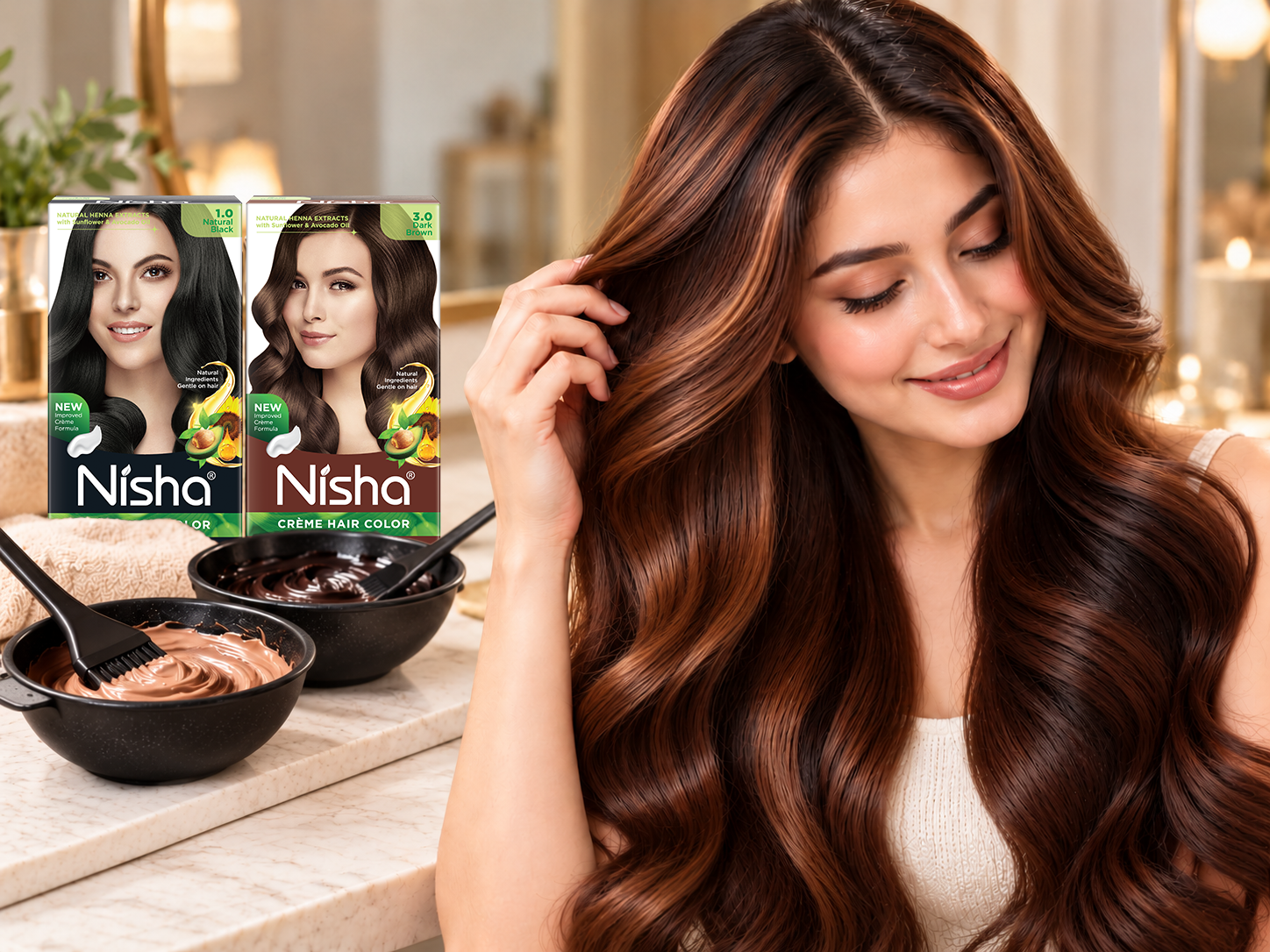
Have you ever wanted a hair colour that falls somewhere between two shades? Maybe natural black looks too dark, but dark brown feels too light. This is when you might wonder: Can you mix two hair colour shades together?
The answer is yes, but only with certain compatible hair colour products and when the manufacturer allows mixing.
Mixing hair colour shades can help create a customised look, adjust colour depth, or balance unwanted tones. However, combining the wrong products can lead to uneven colour, unexpected results, or hair damage.
In this guide, you will learn how mixing hair colour works, which combinations may be suitable, and what precautions to take before colouring your hair at home.
Yes, you can mix two different hair colour shades if they belong to a compatible colour system and the manufacturer provides instructions for mixing them.
Professional hair colourists sometimes combine shades to create a particular tone or depth. However, not every hair colour product is designed for this purpose.
For example, two compatible permanent cream hair colours may be mixed when the product instructions permit it. But mixing a shampoo-based hair colour with a cream hair colour is generally not recommended.
Before mixing, always check the product label, colour formula, and developer requirements.
There are several reasons people consider combining two hair colours.
Sometimes, one shade may appear too dark while another looks too light. Mixing compatible shades can help achieve a colour between the two.
Certain shades contain warm or cool undertones. Professional colourists may combine compatible formulas to balance these tones and create a more natural-looking finish.
Some people prefer a softer appearance instead of a very dark hair colour. Choosing the right shade combination may help achieve this result.
Different colour formulas offer different levels of grey coverage. In compatible professional colour systems, specific shade combinations may help achieve the desired result.
However, grey coverage depends on the product formula, hair condition, and manufacturer’s instructions.
Not every hair colour combination produces the desired result. The final shade depends on the original hair colour, previous colouring treatments, and the products used.
Here are some common combinations people consider.
| Hair Colour Combination | Possible Result |
| Natural Black + Dark Brown | A deep, dark shade that may appear softer than black |
| Dark Brown + Medium Brown | A brown shade between the two depths |
| Light Brown + Golden Brown | A warmer brown appearance |
| Medium Brown + Ash Brown | A potentially cooler brown tone |
Important: These are possible colour outcomes, not guaranteed formulas. Mix shades only when the manufacturer confirms compatibility.
If you prefer predictable results, choosing a ready-made shade is often easier than experimenting with combinations.
You can browse the hair colour options available online to compare different shades before deciding.
If your hair colour manufacturer allows shade mixing, follow these steps.
Select shades from the same product range and colour system.
Do not assume two products are compatible simply because they come from the same brand.
Check whether the manufacturer allows shade combinations.
Follow the recommended colour-to-developer ratio, developer strength, and processing time.
Use only the mixing proportions recommended by the manufacturer or a qualified colour professional.
An equal mixture of two shades does not always produce an exact middle colour.
Wear protective gloves and use the mixing tools recommended on the packaging.
Measure the required amounts carefully. Do not add extra developer or water unless the instructions specifically require it.
Complete the allergy alert test according to the manufacturer’s instructions, usually 48 hours before colouring.
Also perform a strand test to understand how the shade may appear on your hair.
Divide your hair into manageable sections and apply the mixture according to the product directions.
Ensure proper coverage without exceeding the recommended processing time.
Rinse the hair as directed on the packaging and use the recommended aftercare products.
Avoid unnecessary heat styling immediately after colouring to help maintain hair condition.
Generally, no. Shampoo-based hair colour and cream hair colour should not be mixed unless the manufacturer explicitly provides a compatible formula.
These products may have different chemical systems, mixing requirements, and application methods.
For convenient home colouring, Nisha Naturemate Shampoo-Based Hair Color is an option to consider when selecting a ready-made hair colour format.
Similarly, Crème Hair Color is designed for cream-based colour application, while Herba Gel Hair Color follows its own gel mixing instructions.
Using each product as directed is safer than combining different formats.
Mixing hair colour without understanding the formula can lead to disappointing results.
Avoid these common mistakes:
For reliable results, always follow the instructions supplied with your chosen product.
For most people colouring their hair at home, a ready-made shade is the simpler option.
Ready-made hair colours are formulated to deliver a specific colour result when used correctly. They also eliminate the guesswork involved in combining multiple shades.
If you want a natural-looking dark shade, selecting a suitable black or brown colour directly may be more practical.
You can compare available Nisha hair colour products to find a format and shade that suit your colouring routine.
If you want a highly customised colour, consult a professional colourist rather than experimenting with unfamiliar formulas.
Whether you choose one shade or a manufacturer-approved combination, proper hair care can help maintain the appearance of coloured hair.
You can also find suitable hair care products to support your regular hair care routine.
You may be able to mix black and brown shades if both products belong to a compatible colour system and the manufacturer permits mixing. The final shade depends on the formula and your existing hair colour.
It is not recommended. Different brands may use different colour formulations and developer requirements, which can produce unpredictable results.
Mixing approved, compatible shades according to instructions does not automatically cause extra damage. However, incorrect formulas, processing times, or developer ratios can increase the risk of hair damage.
Generally, no. These colour types use different technologies and should not be mixed unless the manufacturer specifically approves the combination.
Certain professional colour systems allow shade combinations for grey coverage. However, using a ready-made shade specifically formulated for grey coverage is usually easier for home users.
Mixing two hair colour shades can be useful when you want a customised colour, but compatibility is essential.
If you are wondering whether you can use two different hair colour shades together, remember that not all hair colour products are designed to be mixed.
For beginners, choosing a ready-made shade is often the safest and most convenient approach. If you want to combine shades, follow manufacturer-approved formulas or seek professional guidance.
The right hair colour is not just about finding an attractive shade. It is also about choosing a suitable product, applying it correctly, and maintaining healthy-looking hair.
Choosing the right hair colour can completely change your appearance. Two of the most popular shades are natural black hair colour and dark brown hair...
Have you ever wanted a hair colour that falls somewhere between two shades? Maybe natural black looks too dark, but dark brown feels too light....

Have you ever coloured your hair at home and noticed that the hairline looks lighter, uneven, or patchy? This is a common problem, especially when...