
Best Hair Color Brands in India
The best hair colour brand for you depends on your hair type, desired shade, grey coverage needs, formulation, and preferred application method. In India, consumers...


Category:Hair Care
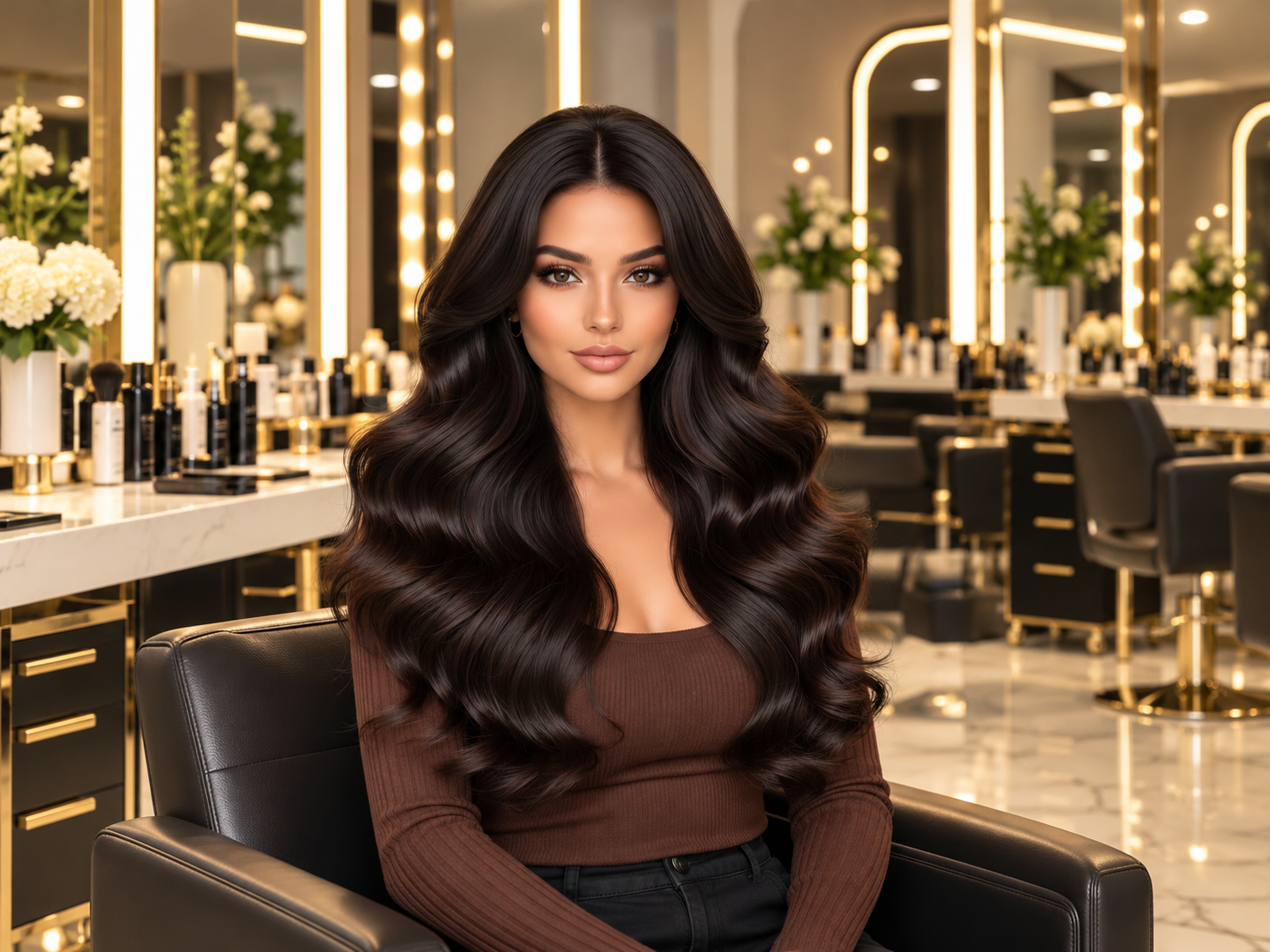
Getting your hair coloured is a simple way to refresh your appearance, cover grey hair and enjoy a beautiful new shade. However, maintaining that fresh colour, softness and shine requires the right hair care routine. Without proper care, coloured hair may become dry, rough, frizzy or dull, and the colour may fade faster than expected.
Hair care after colouring focuses on keeping your hair moisturised, reducing damage and protecting your colour from everyday factors such as frequent washing, heat styling and sun exposure. A consistent routine using a suitable shampoo, conditioner and nourishing hair products can help your hair look smoother, shinier and more manageable.
Whether you have black, brown, chocolate, burgundy or another hair colour, these simple steps can help you maintain beautiful results for longer.
Hair colouring can change the structure of the hair, particularly when permanent dyes or lightening products are used. This may leave the hair more vulnerable to dryness, roughness and breakage.
Here are some common concerns after colouring:
Following a suitable hair care routine can help improve manageability, maintain softness and keep coloured hair looking healthy.
Step 1: Wait Before Your First Hair Wash
Avoid washing your hair immediately after colouring. For many permanent hair colour services, waiting around 48–72 hours before the first shampoo can help preserve the fresh colour. Follow the instructions provided with your colour product or by your hairstylist, as the recommended timing may vary.
When you wash your hair, use lukewarm or cool water instead of very hot water. Hot water and frequent washing may contribute to dryness and faster colour fading.
The right shampoo plays an important role in maintaining coloured hair. A harsh cleansing formula may leave your hair feeling dry and rough, especially if it has already been chemically treated.
When choosing a shampoo for coloured hair:
A suitable hair care shampoo can be part of your regular cleansing routine. Check the product label to ensure it meets your hair’s specific needs.
Conditioner helps smooth the hair surface, reduce tangles and improve softness. It is especially useful after colouring because chemically treated hair may be more difficult to comb and manage.
How to apply conditioner correctly:
Use conditioner after every shampoo unless the product instructions recommend otherwise. Regular conditioning can help coloured hair feel softer, smoother and easier to style.
If your hair feels dry, brittle or rough after colouring, add a conditioning hair mask to your weekly routine. A hair mask can provide extra conditioning and help improve the feel and manageability of dry hair.
Follow these simple steps:
Use a hair mask once a week initially, adjusting the frequency according to your hair’s condition and the product instructions. Avoid applying too much product if your hair is fine or becomes oily quickly.
A hair serum is useful for managing frizz, smoothing rough-looking strands and adding shine. It can also make coloured hair easier to detangle and style.
Choose a serum that suits your hair texture. Lightweight formulas may work better for fine hair, while thicker or frizz-prone hair may benefit from a more conditioning formula.
Apply a small amount to damp or dry hair, concentrating on the mid-lengths and ends. Avoid applying excessive amounts to the scalp unless the product is specifically designed for scalp use.
For your routine, consider a suitable hair serum to help keep coloured hair looking smooth and polished. Remember that serum improves the appearance and feel of hair but does not reverse all chemical damage.
Frequent use of straighteners, curling irons and high-temperature blow dryers can contribute to dryness, breakage and loss of shine. Coloured hair may be particularly vulnerable if it has also been bleached or chemically treated.
To reduce heat damage:
Try natural hairstyles between heat-styling sessions to give your hair a break.
Sun exposure can make coloured hair look faded, dry and brittle. Swimming pool chlorine and other environmental factors may also affect the appearance of your hair.
Follow these precautions to protect your colour:
These habits are especially helpful when maintaining coloured hair during hot Indian summers.
Hair colouring does not automatically cause split ends, but chemical processing and heat styling can increase the risk of damage. Once hair ends split, conditioning products may improve their appearance temporarily, but they cannot permanently repair the split.
Get a trim when you notice damaged ends, persistent tangling or visible splitting. Regular trims can help your hairstyle look neater and reduce the appearance of frayed ends.
Maintaining colour vibrancy is one of the most important parts of hair care after colouring. Although every shade gradually changes with time, a few simple habits can help keep your colour looking fresh.
Wash only when needed
Avoid excessive washing, but do not neglect scalp hygiene. Choose a washing schedule that suits your scalp and lifestyle.
Maintain moisture
Use conditioner regularly and add a hair mask when your hair needs extra conditioning.
Follow product instructions
Use products suitable for your colour treatment and avoid colouring your hair more frequently than recommended.
Remember that no routine can prevent all colour fading. The type of dye, your original hair colour, washing habits and environmental exposure all influence how long your shade lasts.
Avoid these mistakes to keep your hair looking its best:
If your scalp develops persistent itching, redness, burning or swelling after using hair colour, stop using the product and seek medical advice. Facial swelling or breathing difficulties require emergency medical care.
Use a gentle shampoo, apply conditioner after every wash and use a hair mask when needed. Limit heat styling and apply a suitable serum to the lengths and ends to improve softness and shine.
Choose a gentle shampoo suitable for colour-treated hair. A sulphate-free formula may be helpful if your hair feels dry, but the best choice depends on your scalp, hair texture and colour treatment.
There is no single schedule for everyone. Wash according to your scalp’s oiliness, activity level and hair needs. Avoid unnecessary washing if it makes your colour fade faster or leaves your hair dry.
Use suitable hair care products, avoid excessive heat, protect your hair from prolonged sun exposure and follow the recommended washing routine. These steps can help maintain colour vibrancy for longer.
You can use a suitable hair oil if your hair needs additional conditioning. Apply a small amount to the lengths and ends, and follow the instructions for your specific colour treatment. Oil does not guarantee colour protection or repair chemical damage.
Maintaining beautiful coloured hair requires a consistent and gentle hair care routine. From choosing the right shampoo and conditioner to using a nourishing mask, applying serum and limiting heat styling, every step can help improve softness, manageability and shine.
The key to effective hair care after colouring is to protect your hair from unnecessary damage while maintaining its moisture and colour vibrancy. Follow these simple habits regularly to keep your favourite shade looking fresh and your hair feeling smooth, healthy and beautiful for longer.
The best hair colour brand for you depends on your hair type, desired shade, grey coverage needs, formulation, and preferred application method. In India, consumers...
The top hair color in India depends on your natural hair color, grey coverage needs, desired shade, and overall hair goals. Popular options include Natural...
The best hair color in India depends on your natural hair color, grey coverage needs, desired look, skin undertone, and preferred application method. Natural black,...