
Hair Color Shades: How to Choose the Right Shade
Choosing the right hair color shades can completely change your appearance. Whether you want to cover grey hair, refresh your natural color, or try a...


Category:Hair Color
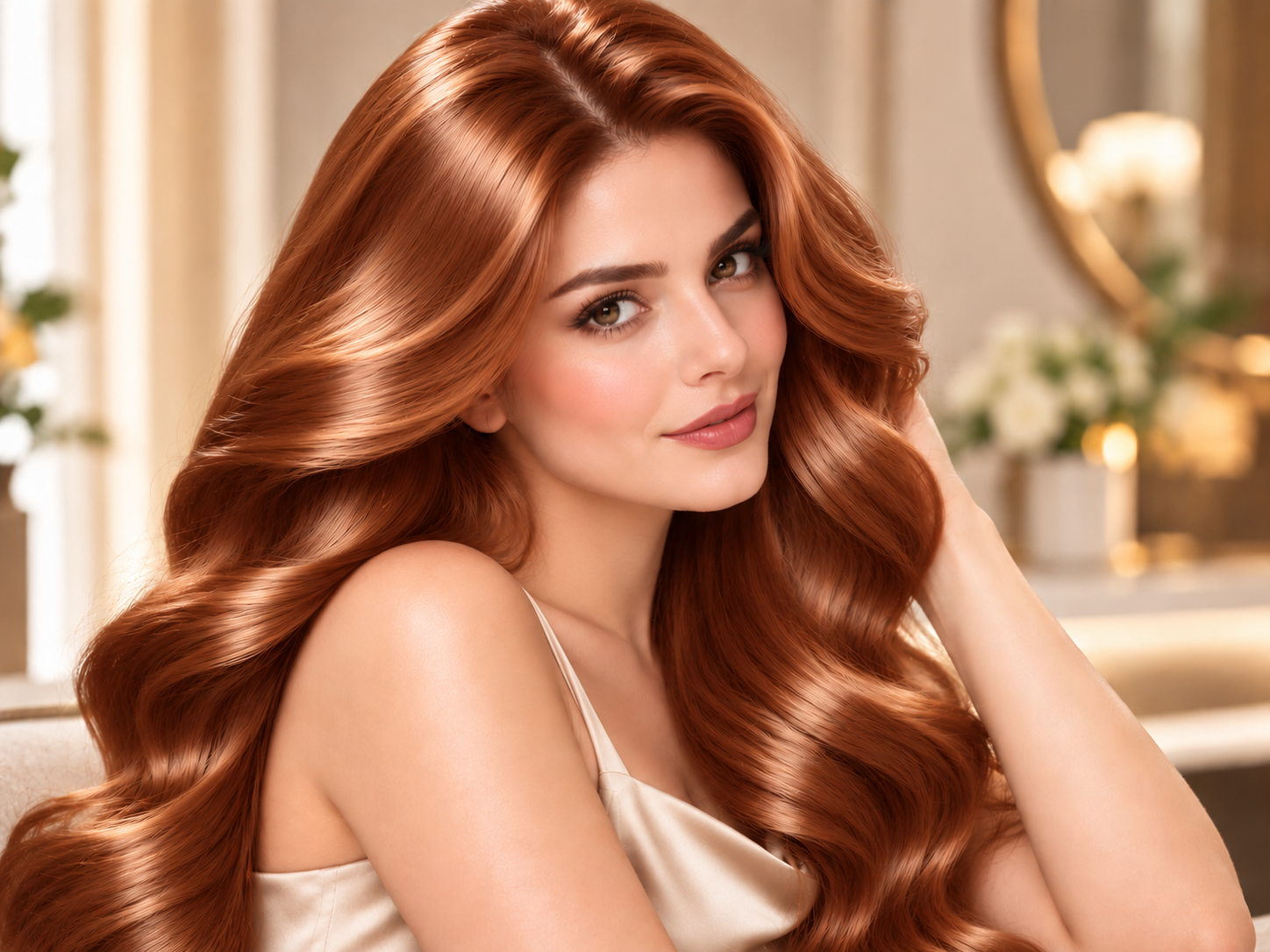
Choosing the right hair color shades can completely change your appearance. Whether you want to cover grey hair, refresh your natural color, or try a new look, selecting the perfect shade is important for achieving beautiful results.
With so many hair color shades available, finding the right one can feel confusing. From natural black and dark brown to chocolate brown, burgundy, and blonde, every shade creates a different appearance.
The best hair color should complement your skin tone, natural hair color, and personal style. In this guide, you will learn how to choose the right hair color shade step by step for a natural-looking and attractive finish.
The right hair color can enhance your natural features and create a balanced appearance. Choosing a shade that complements your complexion helps your hair look more natural and stylish.
A suitable hair color shade can help you:
Before selecting a shade, consider your natural hair color, skin undertone, and desired results.
Your natural hair color is the starting point when choosing a new shade.
If you have naturally black hair, dark brown or chocolate brown can create a subtle transformation. If your hair is naturally brown, you may consider lighter brown or golden brown shades.
Black Hair: Natural black, dark brown, chocolate brown, and burgundy.
Dark Brown Hair: Natural brown, chocolate brown, mahogany, and golden brown.
Light Brown Hair: Light brown, honey blonde, golden brown, and dark blonde.
Grey Hair: Natural black, original black, dark brown, and natural brown.
For a subtle change, choose a shade close to your natural hair color. Dramatically lighter shades may require professional lightening, especially on dark hair.
Your skin tone plays an important role in selecting the best hair color shades.
Fair skin can complement several hair color options, including:
These shades can create either a soft or contrasting appearance, depending on your undertone.
Medium skin tones often look attractive with rich, natural shades such as:
These colors can enhance the natural warmth and depth of your complexion.
Deeper skin tones can complement rich and vibrant shades, including:
These colors can create a sophisticated appearance while maintaining natural-looking depth.
Skin undertone is different from skin tone. Understanding your undertone helps you choose a more flattering hair color.
If your skin has golden, yellow, or peach undertones, shades such as golden brown, honey blonde, and warm chocolate brown may complement your complexion.
If your skin has pink, rosy, or bluish undertones, cooler brown shades, burgundy, and neutral black may be suitable choices.
Neutral undertones can work with both warm and cool hair color shades. Natural brown, dark brown, and chocolate brown are versatile options.
Tip: Check your skin in natural daylight to understand your undertone more accurately.
Different hair color shades offer different looks. Understanding their appearance makes choosing easier.
Natural black is an excellent choice for people who prefer a classic, deep hair color. It is especially suitable for maintaining naturally dark hair and covering grey strands.
Dark brown is one of the most versatile natural hair color shades. It creates a softer appearance than black while maintaining rich color depth.
Chocolate brown adds warmth and dimension to the hair. It is a popular option for people who want a noticeable yet natural-looking change.
Burgundy combines red and violet tones to create a fashionable appearance. It is suitable for people who prefer a richer, more expressive hair color.
Golden brown creates a warm and attractive finish. It is a suitable option for people looking for a brighter brown shade.
You can compare these options through the Nisha Crème Hair Color shade range, which includes natural and fashion-inspired colors.
If your main concern is grey hair coverage, selecting the correct shade is important.
Natural black, original black, dark brown, and natural brown are popular choices for grey hair.
For a natural appearance, select a color that closely matches your original hair shade.
The Nisha Crème Hair Color Natural Black is formulated for grey coverage and offers a rich black finish.
Remember that actual coverage depends on your hair condition, percentage of grey hair, application, and processing instructions.
Your daily routine also matters when selecting the best hair color.
If you prefer a low-maintenance look, choose a shade close to your natural hair color. This makes new root growth less noticeable.
If you enjoy experimenting with your appearance, burgundy, copper red, and blonde shades can offer a more noticeable transformation.
For people who prefer a natural brown finish, Nisha Crème Hair Color Natural Brown is another option to consider.
After selecting your preferred shade, proper application is essential.
Never exceed the recommended processing time to achieve a darker or stronger color.
Proper hair care can help maintain the appearance of your chosen shade.
You can also browse the available hair color products and shades when planning your next color application.
Natural black, dark brown, and natural brown are among the most natural-looking hair color shades, especially for people with naturally dark hair.
Identify your skin undertone and natural hair color. Warm undertones often complement golden shades, while cool undertones may suit cooler browns and burgundy.
Natural black, dark brown, chocolate brown, and natural brown are popular choices for Indian hair. The best shade depends on your original hair color and desired appearance.
Natural black, original black, dark brown, and natural brown are commonly selected for grey coverage. Choose a suitable permanent color and follow its instructions for the best results.
A subtle brown result may be possible on natural black hair with an appropriate permanent color. However, previously dyed black hair and significantly lighter brown shades may require professional lightening.
Choosing the right hair color shades becomes easier when you understand your natural hair color, skin tone, undertone, and lifestyle.
Whether you prefer natural black, chocolate brown, golden brown, or burgundy, the right shade can enhance your appearance and give your hair a beautiful finish.
Start with a shade that suits your natural features, follow the recommended coloring process, and maintain your hair with proper care. With the right approach, you can achieve attractive, natural-looking hair color that complements your personal style.
Choosing the right hair color shades can completely change your appearance. Whether you want to cover grey hair, refresh your natural color, or try a...
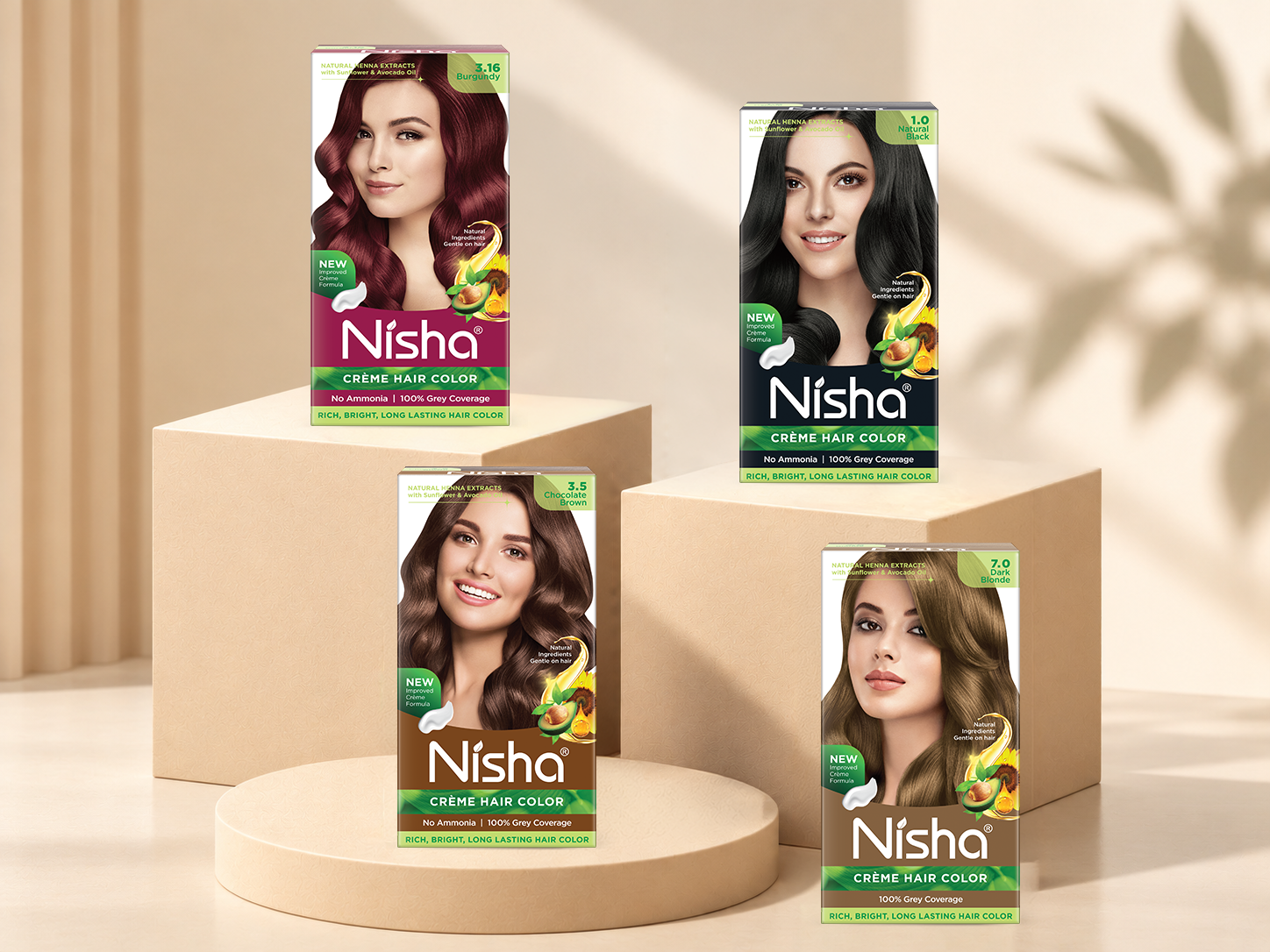
Choosing the right hair color can make your hair look fresh, healthy, and naturally beautiful. Whether you want to cover grey hair, enhance your original...
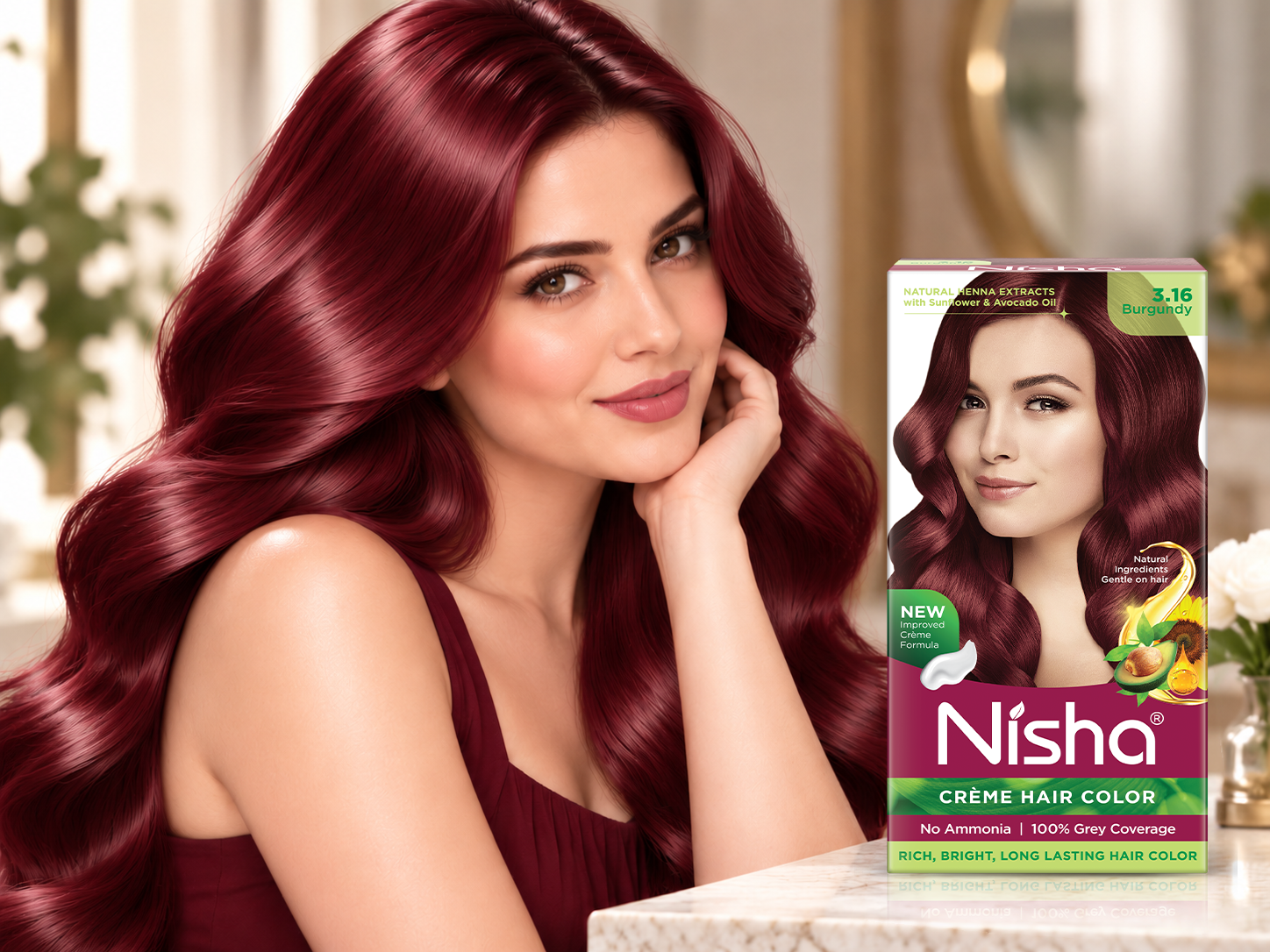
Choosing the best hair color is not just about finding a beautiful shade. It is also about keeping your hair color rich, vibrant, and natural-looking...