
Best Hair Colour Shades for Indian Skin Tone
Choosing the right hair colour for Indian skin tone can completely transform your look. From natural black and chocolate brown to stylish burgundy and golden...


Category:Hair Color
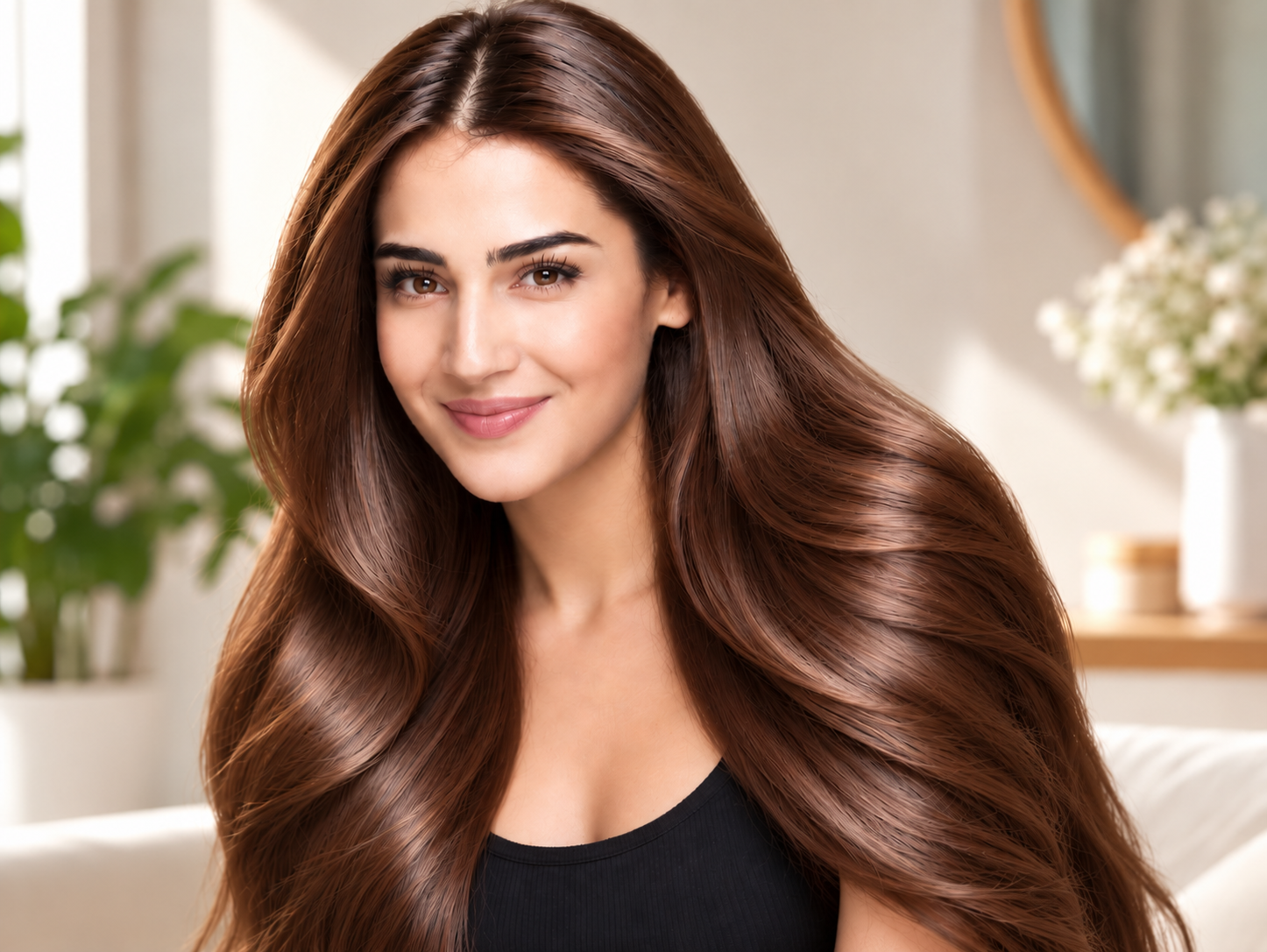
Choosing the right hair color is important when you want beautiful, natural-looking hair without unnecessary damage. With so many options available, people often wonder whether herbal hair color or chemical hair color is better.
Both types can help cover grey hair, improve your appearance, and give your hair a fresh look. However, they differ in ingredients, coloring methods, shade options, and how long the results last.
Understanding herbal hair color vs chemical hair color can help you choose the best option for your hair type, coloring needs, and lifestyle.
Herbal hair color is a hair coloring product made with plant-based ingredients such as henna, indigo, amla, and other botanical extracts. These ingredients can help add color while supporting the appearance and feel of your hair.
Traditional plant-based colors work mainly by depositing pigments onto the hair. However, some commercial herbal hair colors also contain synthetic coloring ingredients.
For those looking for a henna-based coloring option, Nisha Natural Henna Based Hair Color offers shades such as Natural Black, Dark Brown, Brown, and Burgundy Red.
Always check the complete ingredient list because herbal hair color does not automatically mean chemical-free.
Chemical hair color generally refers to products that use synthetic dyes and other coloring agents to change the natural shade of hair.
Permanent hair colors commonly use an oxidizing developer and coloring ingredients that work inside the hair shaft. This process can provide noticeable color changes and effective grey coverage.
For people who want different shade options, Nisha Crème Hair Color offers colors ranging from Natural Black and Chocolate Brown to blonde and burgundy shades.
Chemical hair color can deliver attractive results, but improper application or frequent coloring may cause dryness or damage.
Understanding the differences between these two types of hair color makes choosing the right product easier.
| Features | Herbal Hair Color | Chemical Hair Color |
| Main ingredients | Plant pigments and herbal extracts | Synthetic dyes and coloring agents |
| Coloring process | Often deposits color onto hair | May penetrate the hair shaft |
| Grey coverage | Depends on formulation | Often provides strong coverage |
| Shade variety | Usually more limited | Wide shade selection |
| Color duration | Varies by ingredients | Permanent options last longer |
| Hair lightening | Generally cannot lighten hair | Some formulas can lighten hair |
| Sensitivity risk | Allergies are still possible | Allergies and irritation are possible |
Both options have advantages. The best hair color depends on your desired shade, hair condition, and product formulation.
There is no single answer because different people have different hair coloring needs.
You prefer plant-based ingredients, want natural-looking shades, or wish to maintain a simple coloring routine.
Traditional henna-based colors can be useful for enhancing existing hair shades. However, results depend on your original hair color and the ingredients used.
You want a broader shade selection, permanent grey coverage, or a noticeable change in your natural hair color.
Modern crème hair colors are available in different formulations, including options containing conditioning ingredients that help improve the feel of colored hair.
Neither category is automatically safer. Product quality, ingredient selection, correct application, and individual sensitivity are important.
Grey hair coverage is one of the main reasons people use hair color.
Herbal hair color for grey hair can provide natural-looking results, especially when using suitable henna-based formulations. Some products combine plant extracts with additional coloring ingredients to achieve darker shades.
Permanent chemical hair colors are often preferred when consistent grey coverage and longer-lasting color are priorities.
People who want a convenient application method can also consider Nisha Naturemate Shampoo Based Hair Color, which is designed for quick at-home coloring and grey coverage.
Remember that shampoo-based describes the application method, not whether a product is purely herbal.
Selecting the best hair color becomes easier when you follow a few simple steps.
Check whether your hair is dry, oily, damaged, or chemically treated. Choose a formulation suitable for its condition.
Natural black and brown shades are popular for subtle results. If you want blonde, red, or other noticeable changes, permanent hair color may offer more options.
Read the product label carefully. Look for coloring agents, botanical extracts, conditioning ingredients, and substances you may be sensitive to.
If covering grey hair is your priority, select a product specifically formulated for grey coverage.
Perform the recommended allergy alert test before coloring, follow the manufacturer’s directions, and avoid leaving the product on longer than instructed.
Whether you choose herbal or chemical hair color, proper care can help maintain attractive results.
A consistent hair care routine can help maintain softness, shine, and the appearance of your chosen shade.
Not necessarily. Herbal hair color may contain plant-based ingredients, but natural substances can also cause allergic reactions. Safety depends on the complete formulation and individual sensitivity.
Permanent chemical hair color generally provides longer-lasting results. Herbal hair color duration depends on the plant pigments, formulation, hair condition, and washing routine.
Some commercial henna-based formulations are designed for complete grey coverage. However, results vary, and pure henna alone may give grey hair an orange or reddish tone.
Chemical hair color can cause dryness or damage, particularly when lightening hair or using products incorrectly. Following instructions and maintaining a proper hair care routine can help reduce these effects.
Yes, but check product compatibility before switching. Previously colored hair may respond differently, so a strand test is recommended, especially when using henna-based products.
When comparing herbal hair color vs chemical hair color, the right choice depends on your expectations.
Herbal hair color can be a suitable option for people who prefer plant-based ingredients and natural-looking shades. Chemical hair color offers greater shade flexibility and effective permanent coloring options.
Before choosing any hair color, consider your hair condition, desired shade, grey coverage needs, and the ingredients in the product.
The best hair color is one that delivers your preferred results while helping you maintain healthy-looking, beautiful hair.
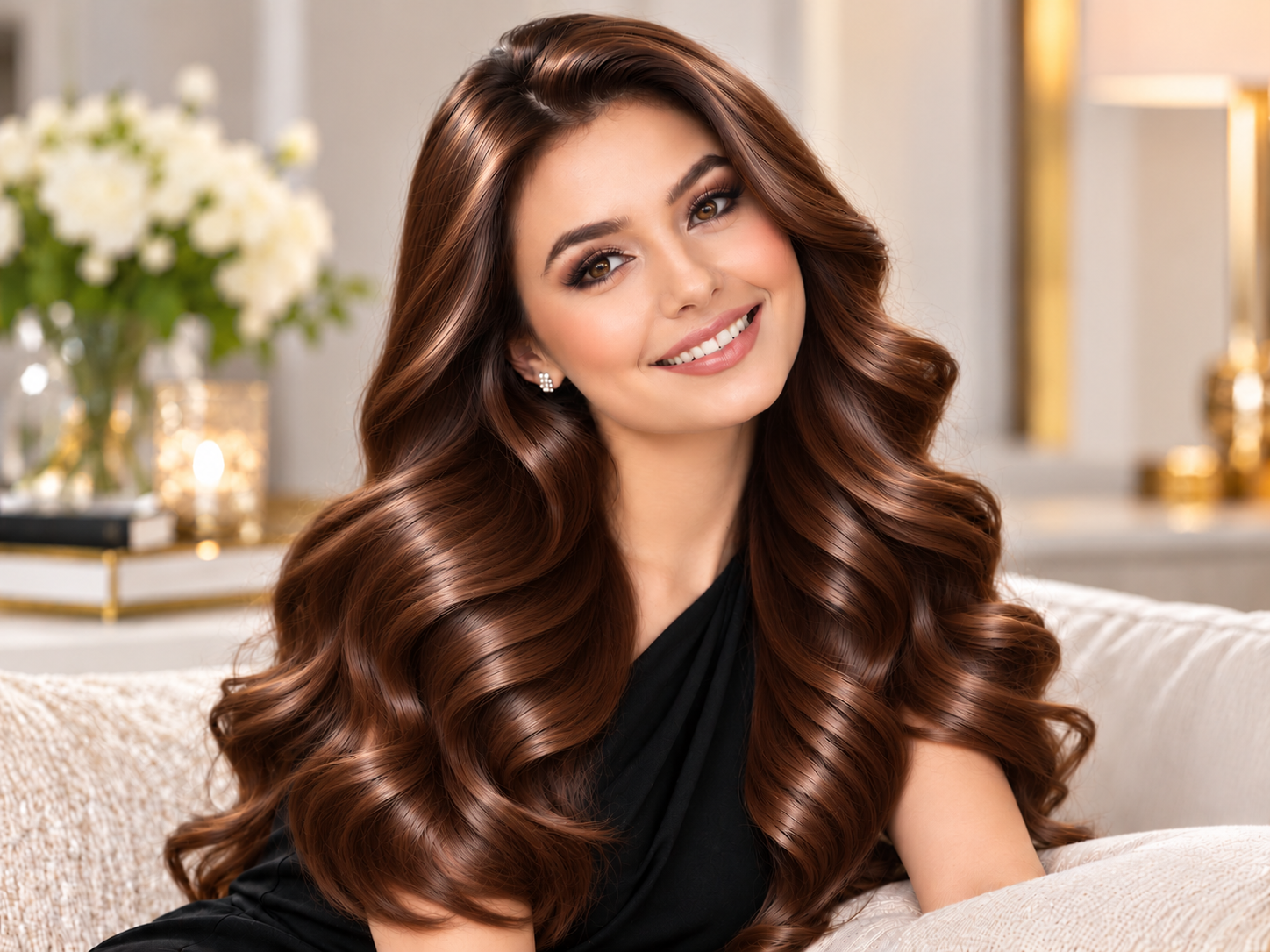
Choosing the right hair colour for Indian skin tone can completely transform your look. From natural black and chocolate brown to stylish burgundy and golden...
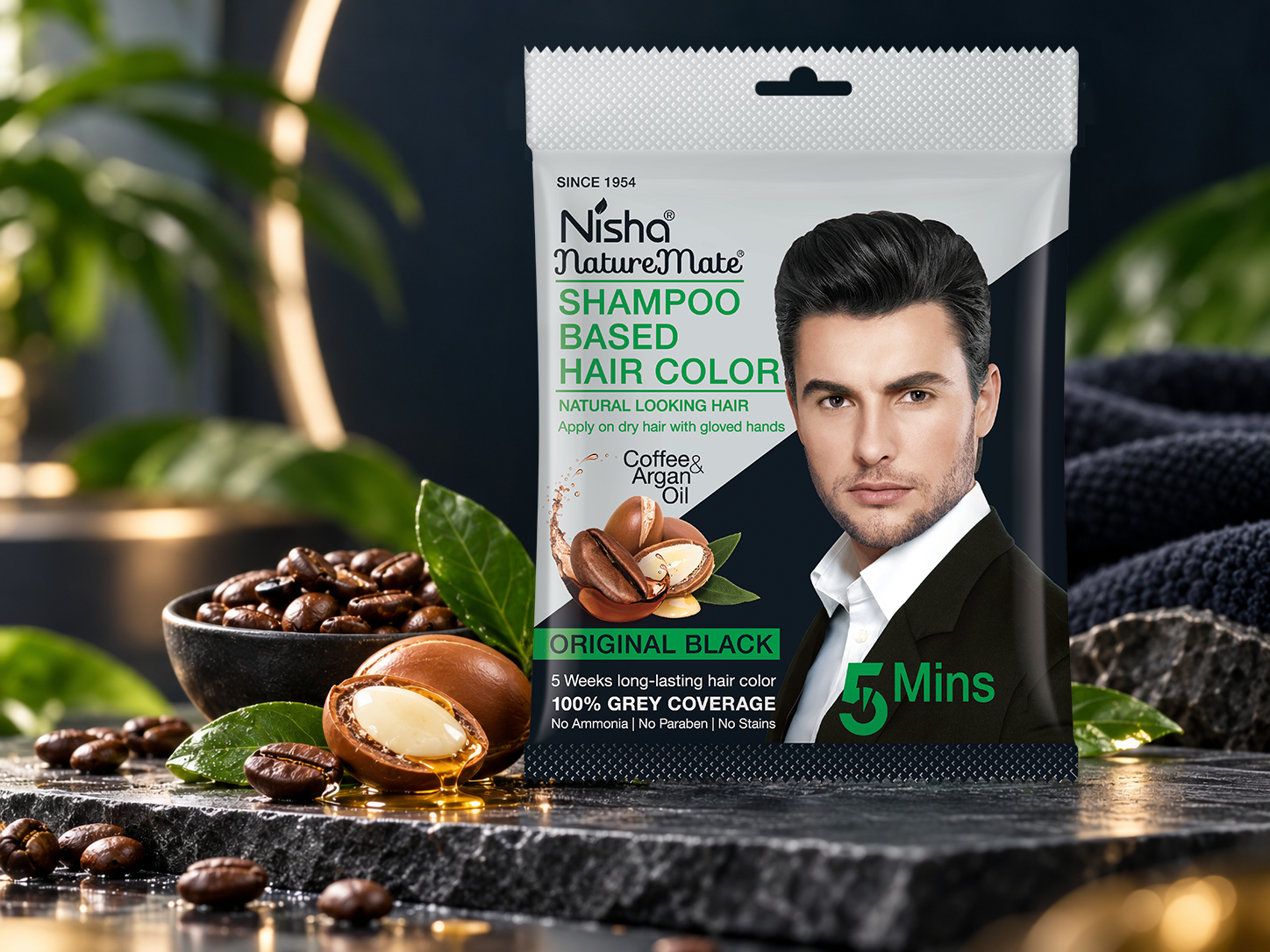
Coloring your hair at home has become easier with modern hair coloring products. One popular option is shampoo based hair color, which offers a convenient...
Choosing the right hair color is important when you want beautiful, natural-looking hair without unnecessary damage. With so many options available, people often wonder whether...