
Hair Coloring and Highlighting: Trends, and Styles Explained
Hair color is one of the easiest ways to refresh your appearance, add dimension, or create a completely new style. From rich brown shades to...


Category:Hair Color
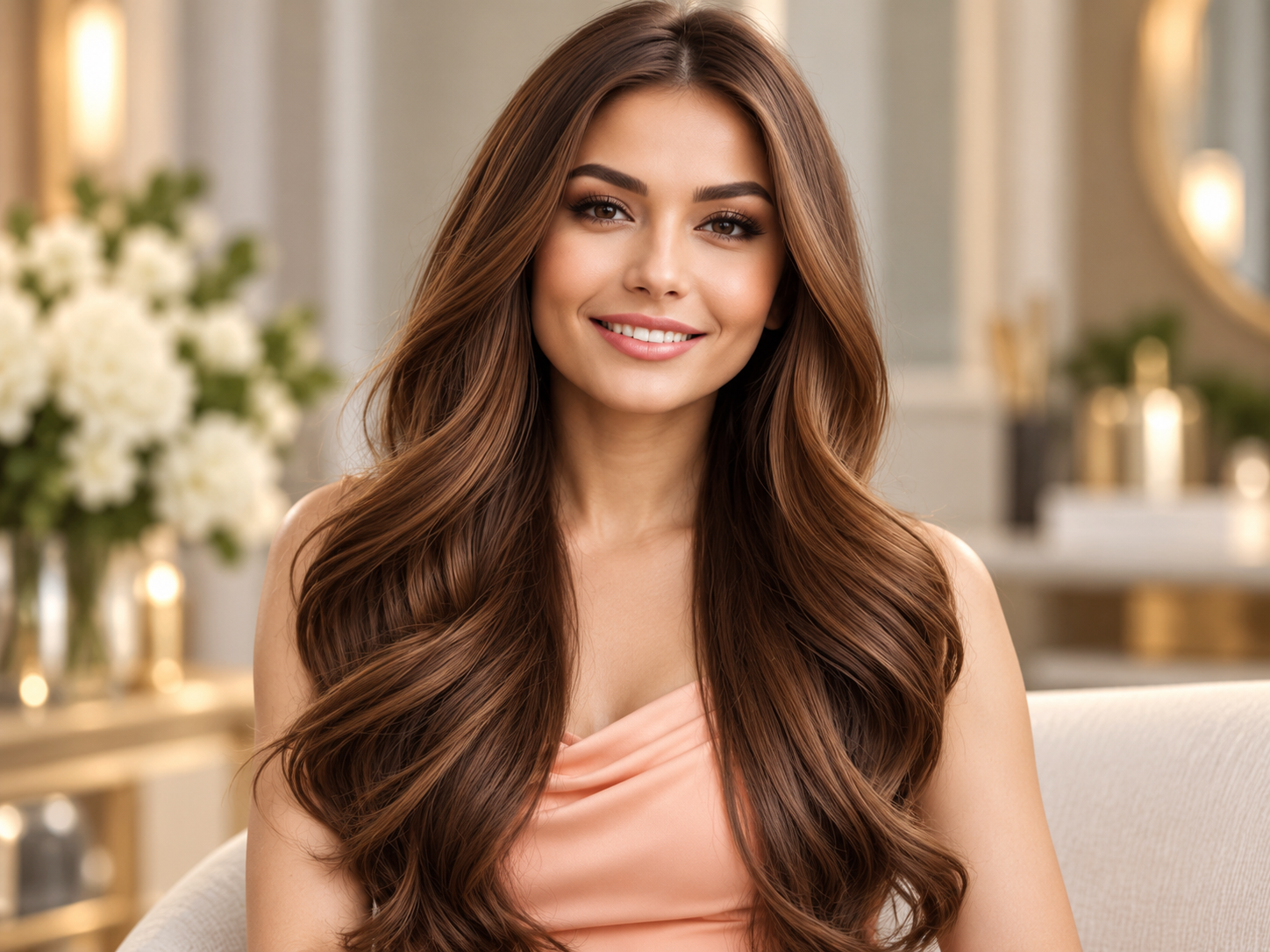
Hair color is one of the easiest ways to refresh your look without changing your haircut. In 2026, the biggest trends are moving towards rich, wearable shades, soft dimension, glossy finishes and colors that look natural rather than overly dramatic. Warm brunettes, bronde blends, copper tones, burgundy and softer blonde shades are getting attention this year.
Whether you want a subtle change, better grey coverage or a bold new look, choosing the right shade can make a noticeable difference. The key is to consider your natural hair, skin undertone, maintenance routine and the finish you want.
Current trends focus on depth, shine and blended tones. Instead of very sharp contrasts, many popular looks use multiple tones that create movement while keeping the overall result polished.
Here are some of the most popular shades to consider this year.
Chocolate brown is a classic shade that continues to work well for people who want rich-looking hair without choosing an extremely dark black shade.
It combines depth with warm brown tones and can look especially glossy in natural light. It is also a practical option for people who want a sophisticated everyday shade.
For an easy way to browse brown options, the Creme Hair Color range includes shades such as Chocolate Brown, Dark Brown, Natural Brown and Golden Brown.
Bronde combines brown and blonde to create a soft, dimensional appearance. It is a useful option for anyone who wants some brightness without moving completely into blonde.
In India, bronde has received particular attention because the combination of warm brown, caramel and blonde tones can create a softer, sun-kissed effect. Techniques such as balayage, ombre highlights and babylights can also be used to create the look.
Bronde can work well for people who want:
The exact shade should be selected according to your natural base and desired level of lightness.
Burgundy is a strong choice when you want visible color with a deep, sophisticated finish. It combines red and wine-inspired tones with a darker base, making it easier to wear than extremely bright red shades.
Burgundy continues to feature strongly beauty trends, including looks designed for Indian complexions.
A Burgundy Crème Hair Color option can be considered when you want a rich red-wine effect. The available shade is listed as 3.16 Burgundy.
For a glossy finish, keep the hair well-conditioned and avoid excessive heat styling. Regular care can help colored hair maintain its softness and shine.
Golden brown brings warmth and brightness to traditional brown hair. It can be a good choice when you want your hair to look lighter and warmer without choosing a very light blonde.
This shade can work particularly well with layered hairstyles because the golden tones can become more noticeable as the hair moves.
The available Golden Brown shade is listed as shade code 4.3 and is part of a wider range of brown, blonde and red shades.
Copper continues to be an important trend, but the current direction is often softer and warmer rather than extremely bright. Burnt copper, auburn copper and copper-brown combinations can provide warmth while remaining wearable.
Copper shades can add warmth and dimension to the hair. A deeper copper-brown can be easier to maintain visually than a very bright copper because the darker base provides more depth.
If you are trying copper for the first time, consider starting with a softer version rather than immediately choosing a highly vibrant shade.
Blonde trends are becoming warmer and more lived-in. Beige blonde, honey blonde and soft golden blonde are among the shades being highlighted instead of extremely icy finishes.
Honey blonde can be especially useful when you want brightness while retaining warmth.
For a lighter transformation, the Light Blonde Crème Hair Color range includes a Light Blonde shade, while the wider collection also lists Honey Blonde, Golden Blonde and Chocolate Blonde.
Choosing a trend is only the first step. The right shade should also suit your hair and lifestyle.
Dark natural hair may show deeper browns, burgundy and warm reds differently from lighter hair. Very light results may require additional lightening or professional color techniques.
Warm undertones often pair well with golden brown, honey, copper and warm auburn shades. Neutral undertones can provide more flexibility, while cool undertones may work well with balanced beige or cooler shades.
If you do not want frequent touch-ups, consider blended colors or shades close to your natural base. Stronger transformations may require more regular maintenance.
Before coloring, consider whether your hair is dry, brittle or heavily processed. Healthy-looking hair generally gives a more polished color result.
If coloring at home, follow the instructions supplied with the product. Nisha Crème Hair Color instructions include mixing the crème and developer, applying it to washed and dried hair, processing for the specified time and conditioning afterwards.
Good aftercare can help maintain the appearance of freshly colored hair.
Choose products designed for colored or treated hair and avoid washing more frequently than necessary.
Frequent straightening, curling and high-temperature blow-drying can affect the appearance and feel of colored hair. Use suitable heat protection when styling.
Conditioning helps colored hair feel smoother and look shinier. A regular hair mask can also be useful when the hair feels dry.
Different shades fade at different rates. Red and copper tones may need more frequent refreshing, while deeper brunette shades can have a softer transition as they fade.
Trends include rich brunettes, bronde blends, copper and auburn shades, burgundy and warmer blonde tones. The overall direction is toward soft dimension, shine and wearable color.
Chocolate brown, dark brown, burgundy and warm brown shades can create a natural-looking change on dark hair. The final appearance depends on the existing hair color and coloring process.
Bronde can be adapted for Indian hair by combining brown with honey, caramel or blonde tones. Professional techniques such as balayage or babylights can help create softer dimension.
For grey coverage, select a shade specifically designed for grey coverage and follow the recommended application process. Some crème formulas are designed to provide coverage from roots to tips.
Regular conditioning, suitable hair-care products, limited excessive heat styling and proper color maintenance can help colored hair maintain a smooth and glossy appearance.
The best hair color trend is one that matches your personal style, natural hair and maintenance routine. Chocolate brown, bronde, burgundy, golden brown, copper and warm blonde shades offer plenty of ways to refresh your appearance.
Instead of choosing a shade only because it is trending, consider how it will work with your existing hair and everyday routine. With the right shade and consistent aftercare, you can enjoy beautiful, dimensional and glossy-looking hair for longer.
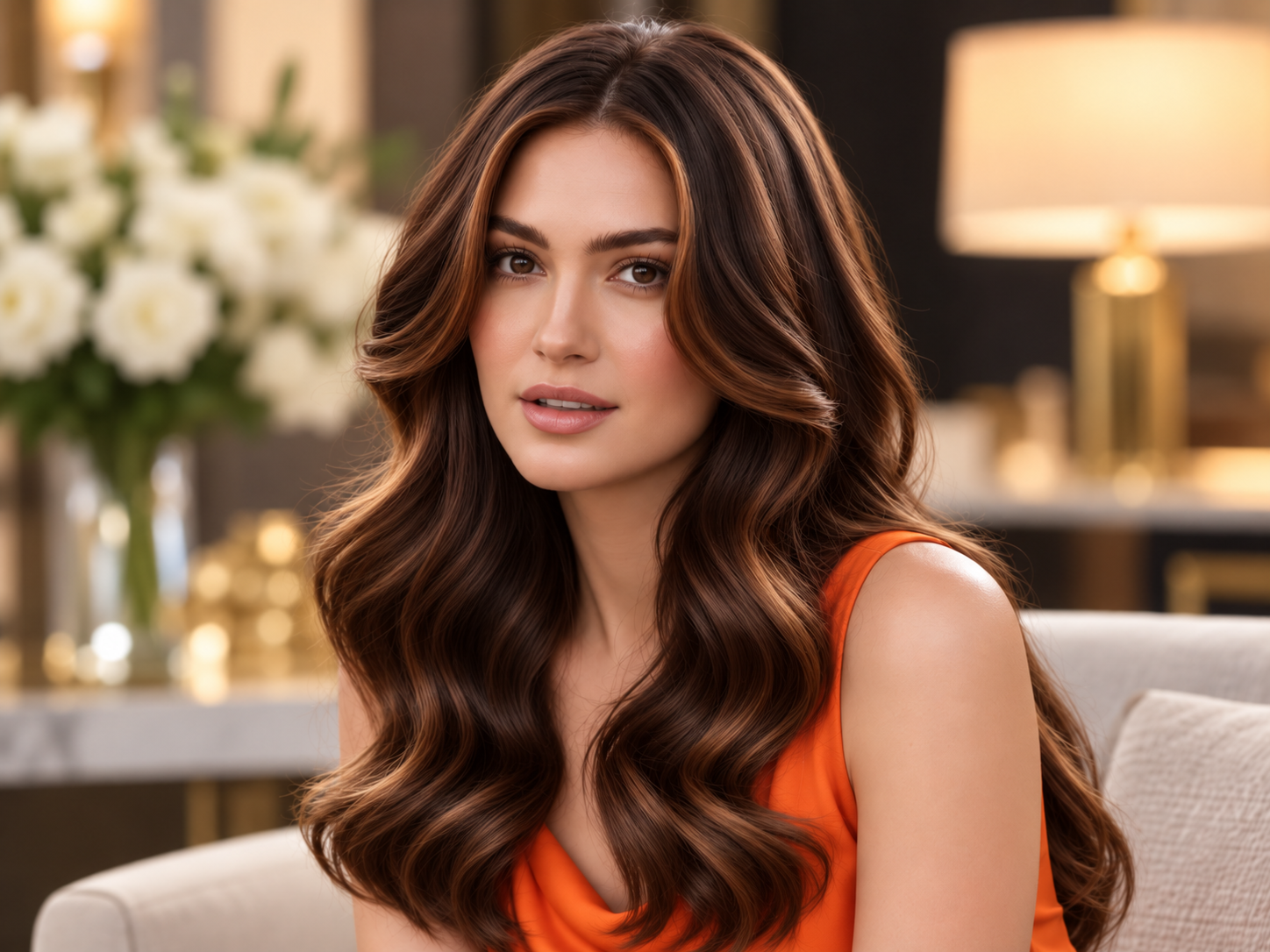
Hair color is one of the easiest ways to refresh your appearance, add dimension, or create a completely new style. From rich brown shades to...
Hair color is one of the easiest ways to refresh your look without changing your haircut. In 2026, the biggest trends are moving towards rich,...
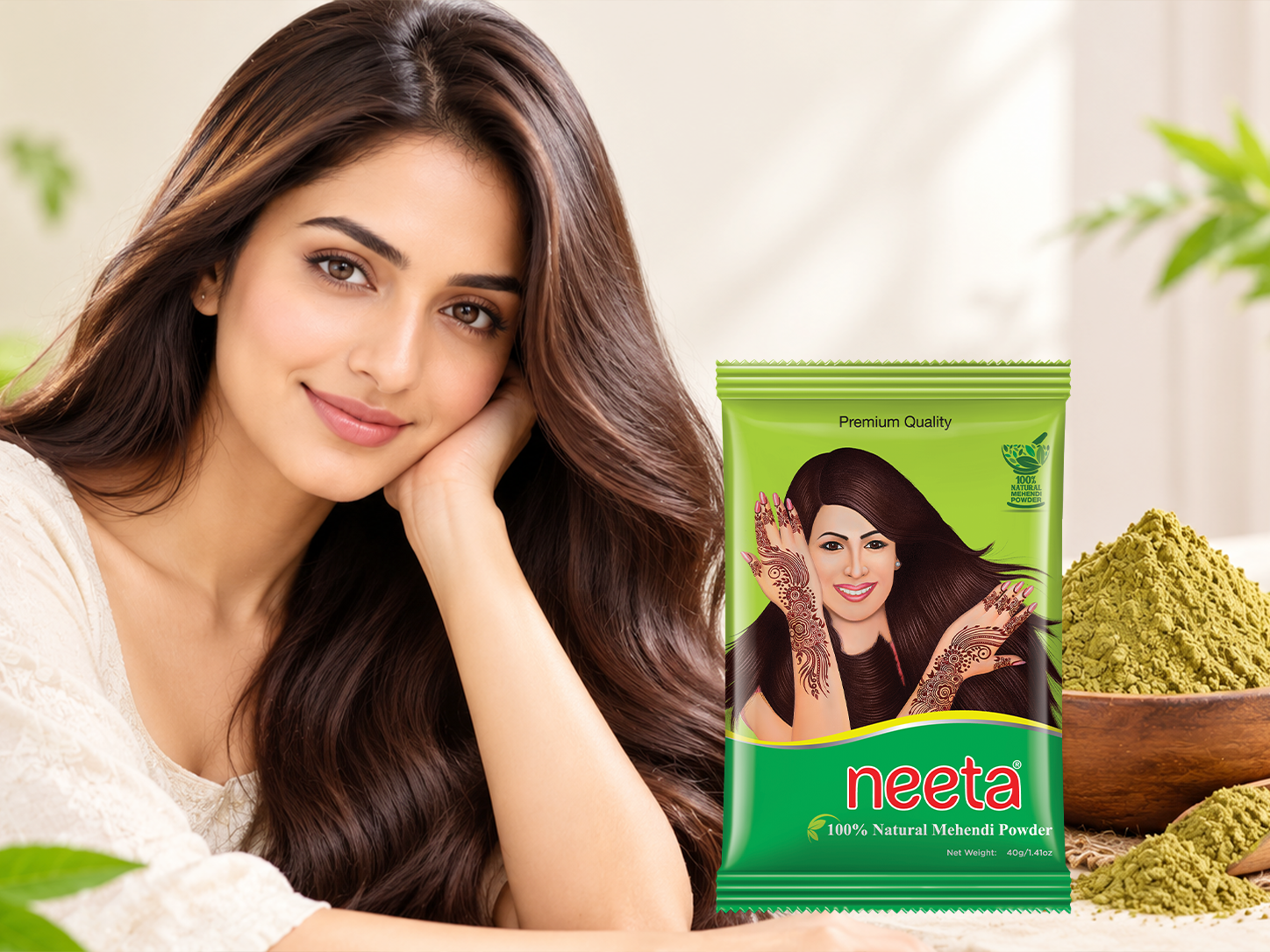
If you are wondering which organic mehendi is the best, look for a high-quality henna powder made from pure henna leaves, with transparent ingredients, fine...