
Hair Care Routine for Damaged and Weak Hair
Damaged and weak hair can look dry, rough, dull, and lifeless. You may also notice split ends, frizz, and frequent breakage while combing. Heat styling,...


Category:Hair Color
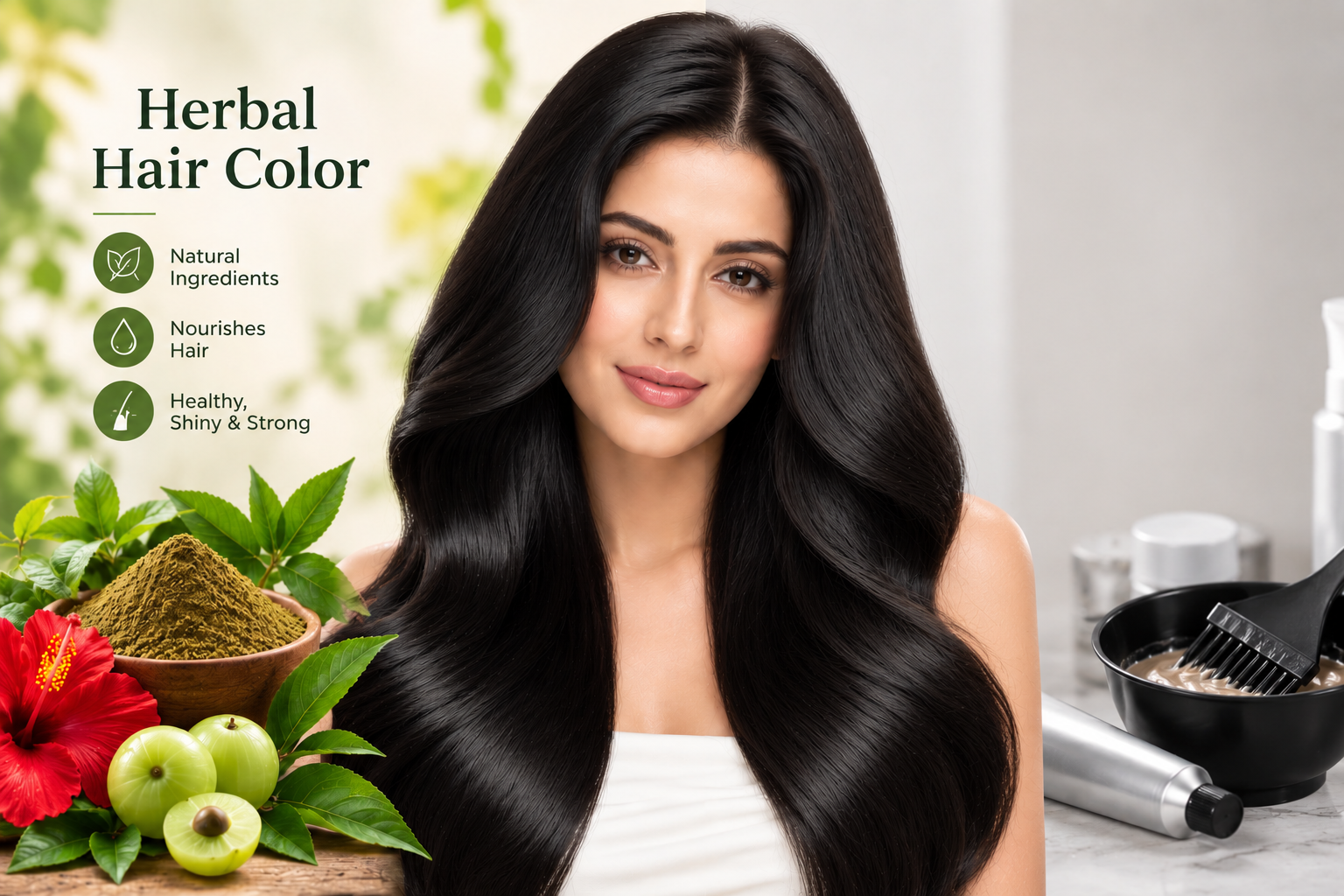
Herbal hair color generally refers to hair coloring products formulated with plant-derived or traditionally used herbal ingredients, while regular hair color usually refers to conventional formulations such as crème, gel, shampoo-based or other coloring systems. The biggest differences can include ingredients, shade selection, application method and the type of coloring experience they provide.
However, the word “herbal” does not automatically mean a product contains only herbs or is chemical-free. hair color formulations vary significantly, so it is always important to read the complete ingredient list and follow the manufacturer’s instructions.
If you’re deciding between herbal hair color and regular hair color, understanding how the two categories differ can help you choose according to your grey-coverage needs, desired shade and preferred application method.
What Is Herbal Hair Color?
Herbal hair color is a broad term generally used for hair color products that incorporate botanical or traditionally used herbal ingredients into their formulations.
Henna is one of the most familiar ingredients associated with herbal hair coloring. Depending on the product, herbal or henna-based formulations may also feature ingredients traditionally associated with hair care.
Modern herbal hair colors can be different from traditional pure henna. They may combine herbal ingredients with a formulated coloring system to offer specific shades and a more convenient coloring process.
Yuthika Natural’s hair color portfolio, for example, includes natural and henna based hair colors as well as Nisha Professional Herba/Herbal Hair Color Gel.
What Is Regular Hair Color?
Regular hair color is a broad description for conventional hair coloring products designed to change or refresh the appearance of the hair.
These can come in several formats, including:
Yuthika Natural’s current portfolio includes these different formats across its Nisha and Neeta ranges.
Regular hair color formulations can also provide a broad spectrum of natural and fashion shades, depending on the product.
Herbal Hair Color vs Regular Hair Color: What Is the Main Difference?
The main difference between herbal hair color vs regular hair color is usually the formulation and the role of botanical ingredients.
Herbal hair color places greater emphasis on ingredients associated with herbal or henna-based coloring traditions.
Regular hair color generally focuses on providing predictable color results through conventional hair color formulations and may offer a wider variety of shades and application formats.
Here is a simple comparison:
| Feature | Herbal Hair Color | Regular Hair Color |
| Main characteristic | Emphasis on herbal/botanical ingredients | Conventional hair color formulation |
| Common format | Henna/powder, herbal gel and other formulated products | Crème, gel, shampoo, powder and other formats |
| Shade choices | Often natural-looking black and brown shades; varies by product | Can include natural and fashion shades |
| Grey coverage | Available in products designed for grey coverage | Available in products designed for grey coverage |
| Application | Depends on formulation | Depends on crème, gel, shampoo or powder format |
| Suitable for | People interested in herbal/henna-based formulations | People prioritizing different shades and application formats |
Neither category is automatically better for every user.
How Does Herbal Hair Color Work?
How a herbal hair color works depends on its formulation.
Traditional henna contains a naturally occurring coloring compound that interacts with the hair and produces visible color.
Modern herbal or henna based hair color formulations may combine henna and other ingredients with a formulated coloring system designed to produce particular shades.
This is why modern henna based hair colors can provide options beyond the characteristic tone associated with traditional pure henna.
The final result can depend on:
Always follow the instructions provided with the individual product.
Is Herbal Hair Color the Same as Henna?
Not necessarily.
Henna can be an important ingredient in herbal hair color, but herbal hair color and pure henna are not interchangeable terms.
Pure henna comes from the leaves of the Lawsonia inermis plant and has traditionally been used to color hair and create mehendi designs.
A formulated herbal or henna based hair color may contain henna alongside other ingredients and may be designed to create specific shades such as black or brown.
Therefore, consumers should check the actual formulation instead of assuming that every herbal hair color is simply pure henna powder.
Is Herbal Hair Color Better Than Regular Hair Color?
There is no universal answer.
Herbal hair color may be preferable for someone specifically interested in a formulation featuring herbal or henna-based ingredients.
Regular hair color may be more suitable for someone prioritizing:
Instead of asking which category is universally better, ask:
Which formulation is better suited to my hair coloring needs?
That produces a more useful answer.
Can Herbal Hair Color Cover Grey Hair?
Some herbal and henna based hair color products are formulated for grey-coverage requirements.
The effectiveness of grey coverage depends on the individual formulation, starting hair color, percentage of grey hair, shade selection and application.
When grey coverage is your priority, don’t choose a product simply because it says “herbal.”
Check whether the specific product is intended for your grey-coverage needs.
Areas such as the temples, roots and hairline can contain concentrated grey strands, so thorough application is particularly important.
Can Regular Hair Color Cover Grey Hair?
Yes. Many conventional hair colors are designed specifically for grey coverage.
Crème hair color is commonly considered for this purpose because its consistency allows controlled application, including around roots, temples and other areas with visible greys.
Yuthika Natural currently lists permanent crème hair color ranges including:
Nisha Crème Hair Color
Nisha Quick Color 10 Minutes Hair Color Cream
Nisha Naturemate Cream Hair Color
Neeta Professional Pro Fashion Color Kit
Different products have different formulations and shade selections, so users should check the information provided for the individual product before choosing.
What Herbal Hair Color Options Are Available?
Herbal hair color options can come in more than one format.
henna based hair color
Yuthika Natural’s current hair color portfolio includes several natural and henna-based options, including:
Nisha Natural Henna Based Hair Color
Nisha Naturemate Natural Henna Based Hair Color
Nisha Quick Color Henna Based Hair Color
Neeta Henna Based Hair Color
Neeta Hair Henna Natural Henna Based Hair Color
These provide alternatives for consumers specifically interested in henna based hair coloring.
Herbal Hair Color Gel
Gel is another available format.
Yuthika Natural currently lists Nisha Professional Herba Hair Color Gel in Original Black and Dark Brown variants.
A gel-based formulation can appeal to users who prefer a smooth, spreadable application format rather than a traditional powder-based product.
What Regular Hair Color Options Are Available?
Regular hair color is available in several formats.
Crème Hair Color
Crème formulations provide controlled application and can offer a wide selection of natural and fashion shades.
shampoo based hair color
Yuthika Natural currently offers:
Nisha Quick Color Shampoo Based Hair Color
Nisha Naturemate Shampoo Based Hair Color
shampoo based hair color provides another application format for consumers looking for convenient home hair coloring.
Despite the name, shampoo based hair color is still a hair color product and should be used according to its specific safety and application instructions.
Gel Hair Color
The current Yuthika Natural range also includes Nisha Professional Fruit Care Hair Color Gel, with Natural Black and Dark Brown variants listed on the hair color category.
Gel formulations provide another alternative for users who prefer a smooth application format.
Herbal Hair Color vs Crème Hair Color
When comparing herbal hair color with crème hair color, the most important distinction is usually the formulation and user preference.
Herbal hair color may be worth considering if you:
Crème hair color may be worth considering if you:
Neither choice should be made solely on the basis of the words “herbal” or “regular.”
Does Herbal Hair Color Have Fewer Chemicals?
Not necessarily.
This is one of the most important misconceptions to avoid.
The presence of herbal ingredients does not automatically mean that a formulated hair color product contains no other ingredients.
Similarly, terms such as:
Herbal
Natural
Henna-based
Pure henna
do not necessarily mean the same thing.
If ingredient composition is important to you, read the complete ingredient declaration on the specific product.
Avoid assuming that a product is chemical-free simply because its name contains the word “herbal.”
Is Herbal Hair Color Safer Than Regular Hair Color?
It is not accurate to assume that an entire category is automatically safer than another.
Any hair color product can contain ingredients that may not be suitable for every individual.
hair color products can also cause allergic reactions in some people.
Users should therefore follow all manufacturer safety instructions and perform the required allergy alert or patch test before coloring their hair.
Do not skip the recommended test simply because a product contains herbal ingredients or henna.
Which Herbal Hair Color Shade Should You Choose?
Shade choice should be based on your original hair color and desired final appearance.
For a natural-looking result, many people consider shades in black and brown families.
Original Black
A classic option for people wanting a deep black appearance.
Natural Black
Suitable for consumers looking for a naturally dark appearance, depending on the product range.
Dark Brown
Dark Brown can provide a softer alternative to black while maintaining a relatively natural-looking result.
Natural Brown
Natural Brown may suit people who want a visibly brown but understated result.
Other hair color ranges can provide additional fashion shades for users who want a more noticeable transformation.
Which Hair Color Is Better for Natural-Looking Results?
Both herbal and regular hair color can create natural-looking results when the right shade is selected.
The word “herbal” does not determine how natural the final shade will look.
A Natural Black or Dark Brown conventional hair color may look more natural on one person than a different herbal shade, simply because it is closer to their original hair color.
For subtle results, consider choosing a shade relatively close to your natural hair.
How to Choose Between Herbal and Regular Hair Color
Consider these factors before making your decision.
Are you covering greys, restoring your natural-looking shade or making a fashion-color change?
If henna and herbal ingredients are important to you, explore formulations that specifically contain them.
Check whether your preferred category offers the shade you want.
Yuthika Natural’s overall hair color portfolio currently spans shades including Natural Black, Original Black, Dark Brown, Natural Brown, Chocolate Brown, Golden Brown, Burgundy, Mahogany, Copper Red, Flame Red and blonde shades.
Consider whether you prefer:
Application convenience can be just as important as ingredient preference.
If grey coverage is your main objective, choose a product specifically suitable for that requirement.
How to Use Hair Color More Carefully
Whether you choose herbal hair color or regular hair color, follow the manufacturer’s instructions exactly.
Before application:
Do not assume that keeping a hair color product on for longer will improve the result.
Frequently Asked Questions About Herbal Hair Color
What is herbal hair color?
Herbal hair color generally refers to a hair color formulation containing plant-derived or traditionally used herbal ingredients. Depending on the product, it may contain henna or other botanical ingredients alongside additional ingredients required for the coloring formulation.
Is herbal hair color the same as henna?
No. Pure henna and formulated herbal hair color are not necessarily the same. Henna can be an ingredient in herbal hair color, while formulated products may contain additional ingredients and offer specific shades.
Is herbal hair color good for grey hair?
A herbal or henna based hair color specifically formulated for grey coverage can be considered for grey hair. Check the individual product’s intended use rather than assuming all herbal colors provide identical grey coverage.
Is herbal hair color better than regular hair color?
Neither is universally better. Herbal hair color may appeal to consumers interested in herbal or henna-based formulations, while regular hair color may offer different application formats and a broader shade selection.
Does herbal hair color contain chemicals?
A product described as herbal may still contain ingredients other than herbs. “Herbal” should not automatically be interpreted as “chemical-free.” Always read the complete ingredient declaration.
Which is better: herbal hair color or crème hair color?
Herbal hair color may suit people who prioritize herbal or henna-based formulations. Crème hair color may suit those who prioritize controlled application and wider shade choice. The better option depends on your individual requirements.
Can herbal hair color give black hair?
Yes, formulated herbal and henna based hair colors can be available in black shades. Yuthika Natural’s current portfolio includes herbal/henna-based options in shades such as Original Black and Natural Black, depending on the product range.
Can herbal hair color be used at home?
Many herbal and henna based hair colors are designed for home application. Always follow the specific product’s preparation, allergy-testing, application and processing instructions.
Conclusion: Herbal Hair Color or Regular Hair Color?
The choice between herbal hair color and regular hair color comes down to your preferred formulation, desired shade, grey-coverage requirements and application method.
Herbal hair color may be particularly appealing if you are interested in henna or other herbal ingredients and prefer natural-looking black and brown shades.
Regular hair color offers a wider variety of formats including crème, shampoo-based and gel hair colors and can provide both natural-looking and fashion-oriented shades.
Yuthika Natural’s current portfolio reflects both approaches, with Nisha and Neeta henna based hair colors, Nisha Professional Herba/Herbal Hair Color Gel, permanent crème colors, shampoo-based colors and other gel formulations.
Instead of assuming that one category is universally better, choose a hair color based on its actual formulation, intended use, shade and application instructions.
Most importantly, whether you select herbal hair color or a conventional hair color formulation, read the ingredient list, perform the recommended allergy alert test and follow the manufacturer’s directions carefully.
Damaged and weak hair can look dry, rough, dull, and lifeless. You may also notice split ends, frizz, and frequent breakage while combing. Heat styling,...
Dry and rough hair can look dull, feel coarse, and become difficult to manage. Factors such as heat styling, frequent washing, harsh hair products, sun...
Indian hair is exposed to different challenges, including heat, humidity, pollution, hard water and changing weather. These factors can make hair dry, frizzy, dull or...