
Hair Care Routine for Damaged and Weak Hair
Damaged and weak hair can look dry, rough, dull, and lifeless. You may also notice split ends, frizz, and frequent breakage while combing. Heat styling,...


Category:Hair Care
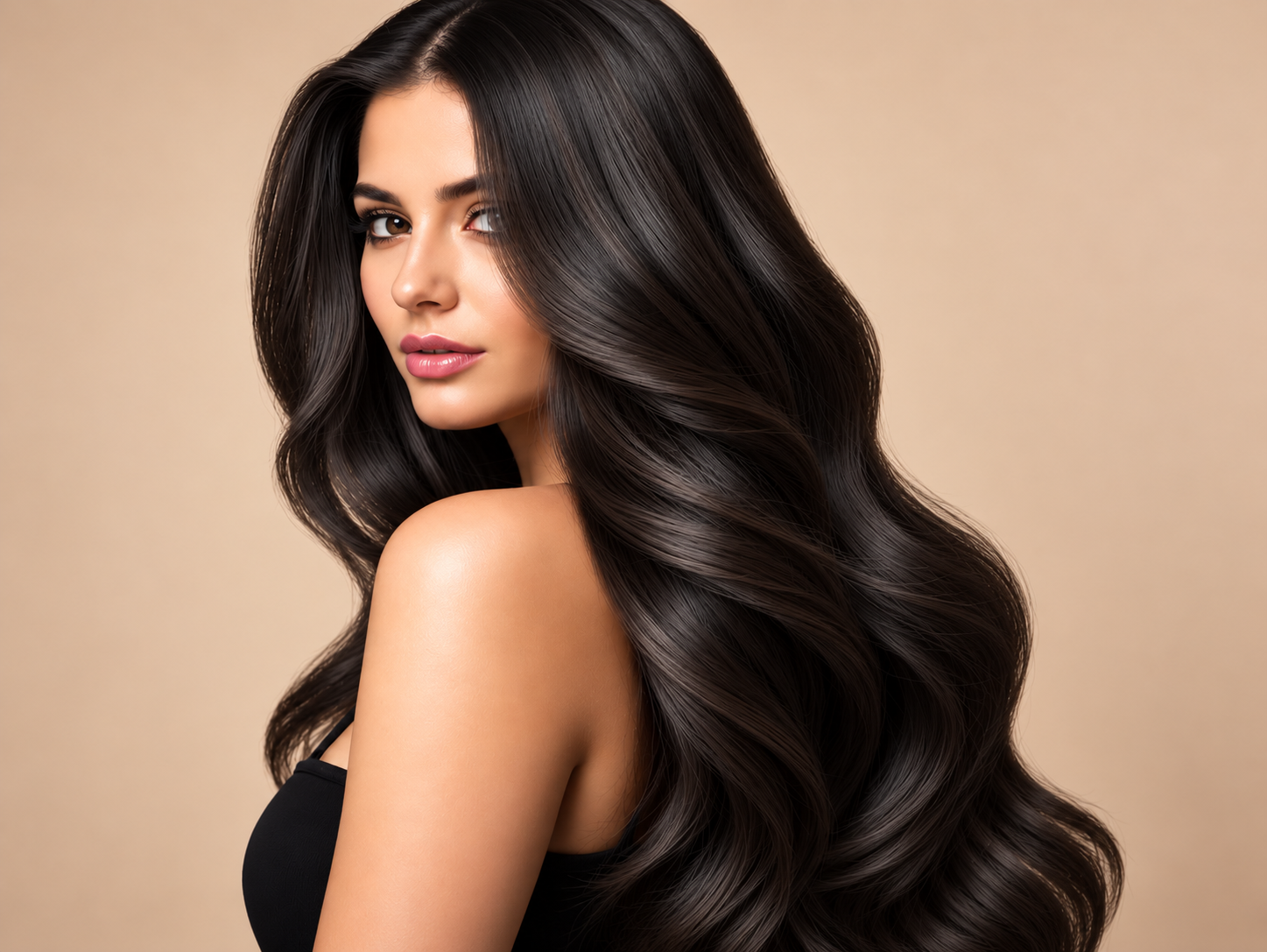
Dry and rough hair can look dull, feel coarse, and become difficult to manage. Factors such as heat styling, frequent washing, harsh hair products, sun exposure, and chemical treatments can contribute to dryness. If your hair often feels rough or tangled, following a consistent hair care routine can help improve its softness, smoothness, and appearance.
A good hair care routine for dry and rough hair focuses on gentle cleansing, regular conditioning, moisture retention, and protection from damage. Whether your hair is naturally dry, frizzy, or affected by hair colouring, the right daily habits can help it look healthier.
Understanding the causes of dry hair helps you choose the right products and treatments.
Common reasons include:
Identifying the main cause helps you build a routine that suits your hair.
Start your routine with a gentle shampoo that cleans your scalp without leaving your hair feeling excessively dry. Select a formula according to your scalp condition and hair type.
Wet your hair thoroughly, apply shampoo mainly to the scalp, and massage gently with your fingertips. Let the lather rinse through the lengths rather than rubbing the ends aggressively.
Wash your hair when your scalp needs it. If you have a dry scalp, avoid unnecessary washing, but do not let sweat and product buildup accumulate.
Conditioner is essential for dry and rough hair because it helps smooth the hair surface, reduce tangling, and improve manageability.
Apply conditioner mainly to the mid-lengths and ends. Leave it on according to the product instructions, then rinse thoroughly. Avoid applying heavy conditioner directly to the scalp if it tends to become oily.
For extra care, choose products from the hair care range that suit your hair’s needs.
A suitable hair serum can help reduce the appearance of frizz, add shine, and make rough hair easier to comb. It can be especially helpful for hair exposed to humidity or frequent styling.
After washing, gently squeeze out excess water with a soft towel. Apply a small amount of serum to damp hair, focusing on the mid-lengths and ends. Adjust the quantity according to your hair length and thickness.
Avoid applying too much product, as it can make fine hair look greasy. Remember that serum improves the hair’s appearance and manageability but does not repair all structural damage.
If your hair feels extremely rough, tangled, or dry, add a conditioning hair mask to your weekly routine. Hair masks can provide more intensive conditioning than regular rinse-out conditioners.
Apply the mask according to its instructions, paying particular attention to dry lengths and ends. Use it as often as recommended for the product and your hair type.
Avoid combining too many treatments at once. A simple routine followed consistently is often easier to maintain.
Frequent heat styling can worsen dryness and make damaged hair more prone to breakage. Allow your hair to air-dry when practical, and reduce the use of straighteners and curling irons.
When using a blow-dryer, choose a moderate temperature and keep it moving rather than concentrating heat on one section. Use a heat protectant before styling, following its instructions.
Also, avoid brushing wet hair roughly. Use a wide-tooth comb and gently work through tangles from the ends upward.
Sun exposure, wind, dust, and pollution can affect the appearance and feel of your hair. Cover your hair with a hat or scarf when spending extended periods outdoors.
Use a gentle cleansing routine after exposure to sweat or heavy pollution. If your hair becomes tangled easily, consider a loose braid to reduce friction during travel or sleep.
Small protective habits can make your regular hair care routine more effective.
Consistency matters more than using too many products. Build a routine that fits your hair type and lifestyle.
| Frequency | Hair care step |
| On wash days | Gentle shampoo and conditioner |
| After washing | Serum or leave-in conditioner, if suitable |
| Once a week | Conditioning hair mask, as directed |
| Every day | Gentle detangling and protection from excessive heat |
| When needed | Scalp cleansing and trimming damaged split ends |
Adjust the schedule according to your scalp, hair texture, and product instructions.
Hair colouring can make already-dry hair feel rougher, particularly when the hair has been bleached or chemically processed. If you enjoy changing your hair colour, conditioning and gentle handling become especially important.
Follow these tips to maintain a smoother appearance:
Before choosing a hair colour product, consider your natural hair shade, the amount of grey coverage you need, and whether your hair has undergone previous chemical treatments. A professional colourist can help you select an appropriate option when your hair is fragile or heavily processed.
Remember that no hair colour product can guarantee damage-free results. Always follow the directions, and do not apply colour to an irritated or damaged scalp.
Even good products may not deliver the expected results if your routine includes damaging habits.
Avoiding these mistakes can help your hair feel smoother and reduce unnecessary breakage.
Maintaining a proper hair care routine for dry and rough hair can help improve softness, shine, and manageability. Use a gentle shampoo, apply conditioner after every wash, and include a suitable hair serum or conditioning mask in your routine. Avoid excessive heat styling and handle wet hair gently to reduce frizz and breakage.
If you have coloured hair, focus on regular conditioning and suitable aftercare to maintain its appearance and shine. Choose hair care and hair colour products according to your hair type and needs. With consistent care and the right products, you can keep your hair looking smoother, healthier, and more manageable.
Use a gentle shampoo, apply conditioner after every wash, and use a suitable serum or leave-in conditioner. Reduce heat styling and avoid rough towel-drying to help improve smoothness.
Gentle shampoos, moisturising conditioners, conditioning masks, and suitable leave-in products can help. Choose products according to your scalp condition, hair texture, and level of damage.
There is no single schedule for everyone. Wash when your scalp needs cleansing, taking your activity level, scalp oiliness, and hair texture into account. Avoid excessive washing if it leaves your hair feeling dry.
Yes. Some colouring processes, especially bleaching, can damage the hair’s protective structure and increase dryness or breakage. Proper conditioning, careful application, and suitable aftercare can help manage the effects.
Dryness and roughness can often be improved with consistent conditioning and gentle handling. However, severely damaged hair cannot be completely restored to its original structure. Trimming split ends and preventing further damage can improve its appearance and manageability.
Damaged and weak hair can look dry, rough, dull, and lifeless. You may also notice split ends, frizz, and frequent breakage while combing. Heat styling,...
Dry and rough hair can look dull, feel coarse, and become difficult to manage. Factors such as heat styling, frequent washing, harsh hair products, sun...
Indian hair is exposed to different challenges, including heat, humidity, pollution, hard water and changing weather. These factors can make hair dry, frizzy, dull or...