
Hair Care Routine for Damaged and Weak Hair
Damaged and weak hair can look dry, rough, dull, and lifeless. You may also notice split ends, frizz, and frequent breakage while combing. Heat styling,...


Category:Hair Care
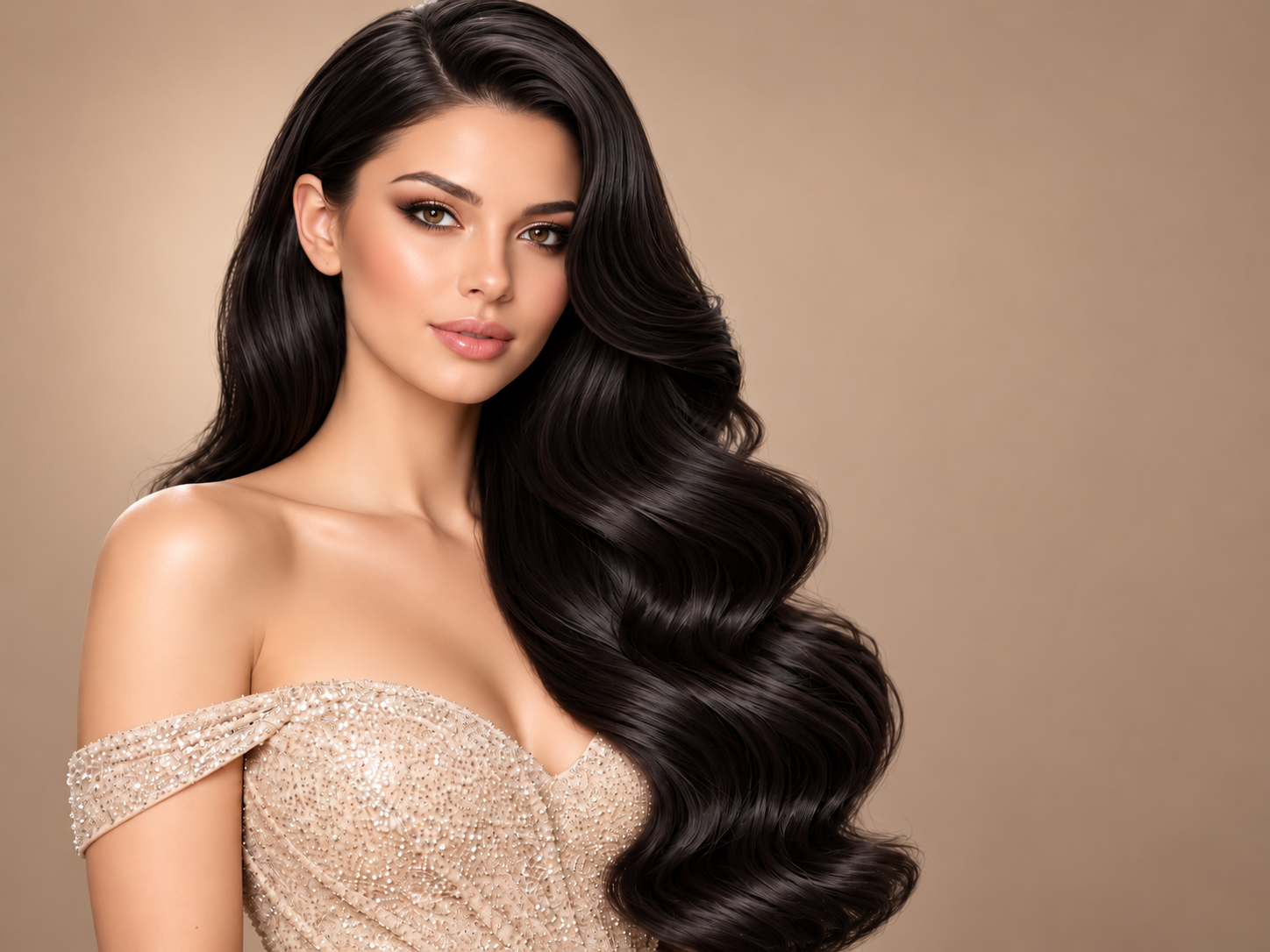
Damaged and weak hair can look dry, rough, dull, and lifeless. You may also notice split ends, frizz, and frequent breakage while combing. Heat styling, chemical treatments, frequent hair coloring, and improper hair care habits can contribute to these problems.
Following a proper hair care routine can help improve softness, manageability, and shine while reducing further damage. Whether your hair is naturally dry or damaged after coloring, small changes in your daily routine can make a difference.
In this guide, you will learn how to care for damaged and weak hair step by step, choose suitable hair care products, and maintain healthy-looking hair.
Understanding the causes of hair damage helps you choose the right hair care routine.
Common causes include:
Identifying these habits is the first step toward better hair care.
Start your hair care routine with a gentle shampoo that cleans the scalp without leaving your hair feeling excessively dry. Apply shampoo mainly to the scalp and massage gently with your fingertips.
Avoid scratching your scalp or rubbing the lengths of your hair aggressively. Let the shampoo rinse through the ends rather than scrubbing them repeatedly.
Choose a shampoo based on your scalp condition and hair needs. If your hair is colored, consider a shampoo designed for color-treated hair to help maintain its appearance.
Conditioner is an important part of hair care for weak hair. It helps smooth the hair surface, reduce tangling, and make strands easier to comb.
After shampooing, apply conditioner to the mid-lengths and ends. Leave it on according to the product instructions and rinse thoroughly.
For dry, rough, or chemically treated hair, a suitable conditioner can improve softness and manageability. Regular conditioning also helps reduce friction that may contribute to hair breakage.
Damaged hair may benefit from a nourishing hair mask once or twice a week, depending on the product instructions and your hair’s needs.
A hair mask can help improve the feel of dry hair, making it softer and easier to manage. Apply it to clean, damp hair, focusing on the lengths and ends.
For additional care options, browse the Hair Care collection and choose products that suit your hair type.
Remember that conditioning treatments improve the appearance and manageability of damaged strands, but they cannot permanently repair split ends.
Excessive heat can make already weak hair more prone to breakage. Try to let your hair air-dry whenever possible and limit the use of straighteners and curling irons.
When heat styling is necessary:
Reducing heat exposure is one of the simplest hair repair tips for maintaining smoother, healthier-looking hair.
Hair serum can help control frizz, improve smoothness, and add shine to dry or damaged hair. It can also make the lengths easier to detangle.
Apply a small amount to damp or dry hair, following the product directions. Concentrate on the mid-lengths and ends rather than applying excessive amounts to the scalp.
You can check the hair serum and hair care range for options suited to your daily routine.
Remember that serum mainly helps improve the appearance and manageability of hair. It does not treat every cause of hair fall or damage.
Wet hair stretches more easily and can break when handled roughly. After washing, gently squeeze out excess water with a soft towel instead of rubbing your hair vigorously.
Use a wide-tooth comb to detangle your hair, starting at the ends and moving gradually toward the roots. Avoid pulling through knots.
Choose loose hairstyles and soft hair ties to reduce tension. These simple habits can help prevent unnecessary breakage.
Hair coloring can change the appearance and feel of your hair, especially when bleaching or repeated chemical processing is involved. If you enjoy experimenting with different shades, proper aftercare is essential.
Follow these tips to maintain your colored hair:
If you are considering a new shade, browse the Hair Color collection to find coloring options and review the instructions for the specific product.
For weak or heavily damaged hair, avoid repeated bleaching or overlapping chemical treatments without professional guidance. Always perform the recommended patch test before using a hair color product.
Your hair care routine should include healthy daily habits. Hair is made primarily of protein, so a balanced diet with adequate protein, iron, zinc, and other essential nutrients supports normal hair growth.
Include a variety of foods such as eggs, pulses, beans, nuts, seeds, vegetables, and other nutrient-rich options in your meals.
You can also support your routine by:
Supplements are not necessary for everyone. If you suspect a nutritional deficiency, consult a healthcare professional before taking them.
Even a good hair care routine may be less effective if you continue habits that damage your hair.
Avoid these common mistakes:
Choose a simple routine that meets your hair’s needs instead of changing products too frequently.
A consistent hair care routine is essential for managing damaged and weak hair. Gentle shampooing, regular conditioning, nourishing hair masks, and reduced heat styling can help improve softness, shine, and manageability. Avoiding rough brushing and excessive chemical treatments can also help reduce hair breakage.
If you have colored or chemically treated hair, choose suitable hair care products and follow proper aftercare to maintain its appearance. With the right habits and regular care, you can support healthier-looking, smoother, and stronger hair over time.
Use a gentle shampoo, apply conditioner after washing, add a suitable hair mask when needed, and reduce heat styling. Handle wet hair carefully to minimize breakage.
Handle hair gently, avoid excessive chemical treatments, use conditioner regularly, and eat a balanced diet with sufficient protein and essential nutrients. Consult a professional if breakage or hair loss continues.
Yes. Chemical coloring, particularly bleaching and repeated processing, can weaken the hair shaft. Choose appropriate aftercare and avoid overlapping chemical treatments.
Once or twice a week may suit some hair types, but the ideal frequency depends on the product instructions and your hair’s condition. Avoid overusing products that leave your hair heavy or coated.
Hair care products can improve softness, smoothness, and manageability, but severely damaged hair cannot fully restore its original structure. Trimming split ends and protecting new growth can help maintain healthier-looking hair.
Damaged and weak hair can look dry, rough, dull, and lifeless. You may also notice split ends, frizz, and frequent breakage while combing. Heat styling,...
Dry and rough hair can look dull, feel coarse, and become difficult to manage. Factors such as heat styling, frequent washing, harsh hair products, sun...
Indian hair is exposed to different challenges, including heat, humidity, pollution, hard water and changing weather. These factors can make hair dry, frizzy, dull or...