
Hair Care Routine for Damaged and Weak Hair
Damaged and weak hair can look dry, rough, dull, and lifeless. You may also notice split ends, frizz, and frequent breakage while combing. Heat styling,...


Category:Hair Care
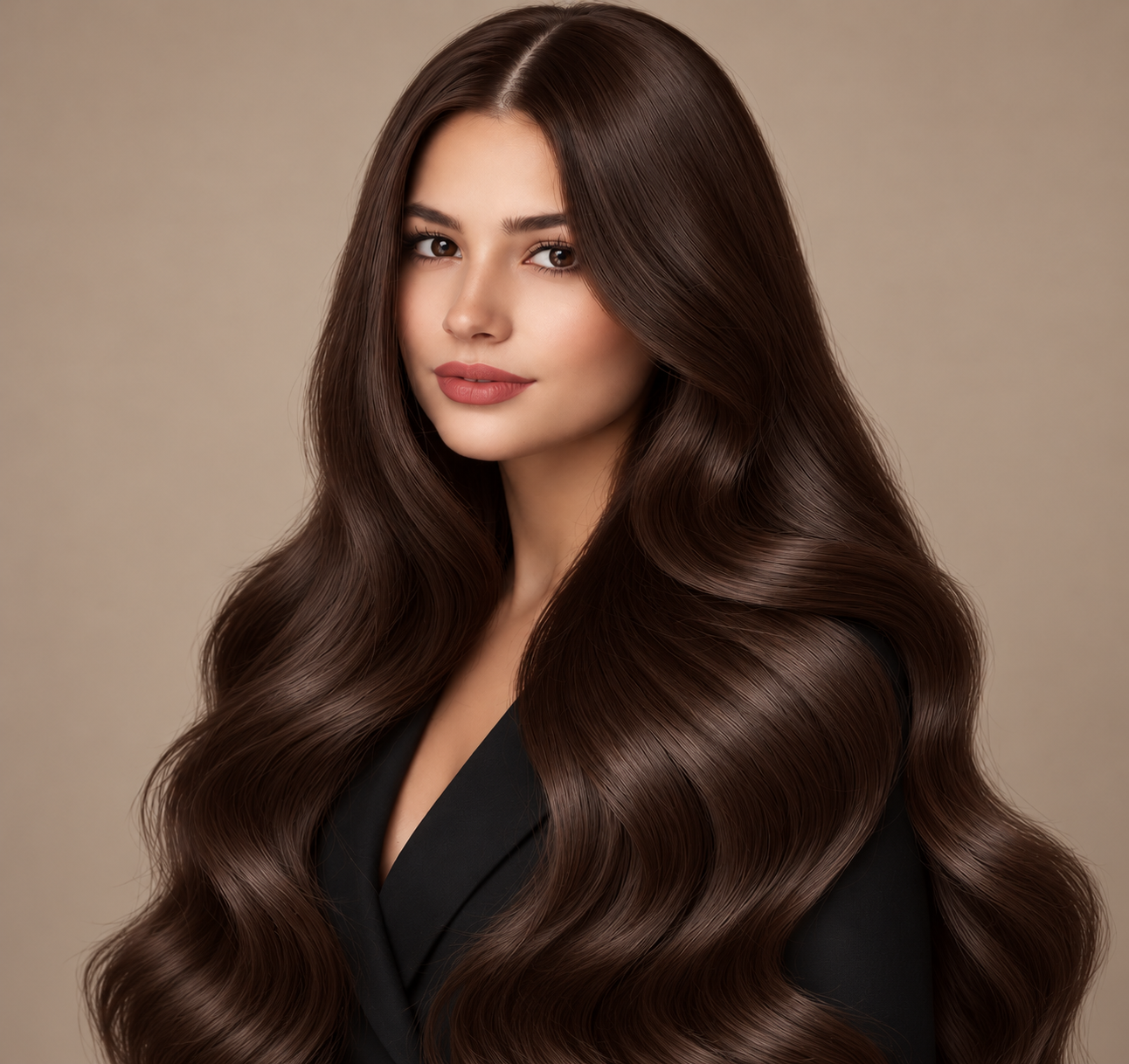
Indian hair is exposed to different challenges, including heat, humidity, pollution, hard water and changing weather. These factors can make hair dry, frizzy, dull or difficult to manage. Regular heat styling and frequent hair colouring may also affect its appearance and texture.
Following the right hair care routine can help maintain soft, shiny and manageable hair. Whether you have straight, wavy, curly, dry or coloured hair, choosing suitable products and following a few simple habits can make a difference.
In this guide, discover practical hair care tips for Indian hair, including cleansing, conditioning, oiling, hair colour maintenance and everyday protection.
Before choosing hair care products, understand your hair type and its specific needs.
Dry hair may feel rough, look dull and become prone to breakage. Use a gentle shampoo, a nourishing conditioner and a suitable hair mask to help improve softness.
If your scalp becomes oily quickly, wash it according to your needs. Focus shampoo on the scalp and avoid applying heavy oils directly to the roots if they make your hair greasy.
Curly hair often needs extra moisture and gentle handling. Use conditioner regularly, detangle with a wide-tooth comb and reduce excessive heat styling.
Hair that has been coloured may need extra care to maintain its shine and appearance. Choose products designed for coloured hair and minimise unnecessary heat exposure.
Understanding your hair type helps you build a routine that suits your needs instead of following every trending hair care tip.
A consistent routine is one of the most useful ways to maintain healthy-looking hair.
Wash your hair according to your scalp condition, activity level and product use. Apply shampoo mainly to the scalp and massage gently with your fingertips. Avoid scratching with your nails or rubbing the lengths aggressively.
Choose a shampoo suitable for your hair type. If your hair feels dry or has been chemically treated, consider a gentle cleansing formula.
Conditioner helps smooth the hair surface, improve manageability and reduce friction while detangling. Apply it mainly to the mid-lengths and ends, following the product instructions.
For additional nourishment, consider a suitable hair care product range that matches your hair’s needs.
Avoid rubbing wet hair with a rough towel. Instead, gently squeeze out excess water with a soft towel or cotton T-shirt. Let your hair air-dry when possible, and use a heat protectant before blow-drying or styling with hot tools.
Start detangling from the ends and gradually move towards the roots. Use a wide-tooth comb, especially when your hair is wet or prone to tangling. Avoid tight hairstyles that pull on the roots.
Hair oiling is a familiar part of many Indian hair care routines. It can help lubricate the hair, reduce friction and improve softness, depending on the oil and how it is used.
Follow these simple tips:
Oil is not a guaranteed treatment for hair fall or damaged hair. If you experience persistent or sudden hair loss, seek advice from a qualified healthcare professional.
Choosing the right hair color can refresh your appearance while complementing your natural hair colour and skin tone. Popular options include black, dark brown, chocolate brown, mahogany and other warm brown shades.
When selecting hair color for Indian hair, consider your natural base colour, the result you want and the condition of your hair.
Choose a suitable shade: Dark brown and chocolate shades can offer a subtle change, while lighter shades may require additional processing depending on your natural hair colour.
Read the product instructions: Follow the recommended application time and use the product only as directed.
Perform a patch test: Follow the manufacturer’s allergy-alert test instructions before every use, including when you have used the same product previously.
Avoid colouring an irritated scalp: Do not apply colour to a damaged or irritated scalp. If you have a history of reactions to hair dye, seek professional advice before using another product.
You can browse the available hair color products to compare product options and choose one that suits your requirements.
Hair colour may gradually fade because of washing, sun exposure, heat styling and other environmental factors. A suitable aftercare routine can help maintain the appearance of coloured hair.
If you regularly colour your hair, pay attention to changes in its texture. Excessive processing can increase dryness and breakage, so avoid overlapping colour applications unnecessarily.
For those considering a colour change, hair colour options and shades can be a starting point for comparing available products before making a selection.
India’s climate varies considerably across regions. Humidity can increase frizz, while dry weather and sun exposure may leave hair feeling rough.
Cover your hair when spending long periods outdoors. Rinse away sweat and product residue as needed, and avoid excessive heat styling.
Humidity can make hair frizzy and difficult to manage. Use conditioner, dry your scalp properly after washing and avoid tying wet hair tightly for long periods.
Dry air may increase roughness and static. Use conditioner regularly and apply a small amount of suitable leave-in product to the lengths if needed.
Cleanse your scalp regularly according to your needs. Avoid allowing sweat, dust and styling products to accumulate for long periods.
Hair care also involves everyday habits beyond shampoos and oils.
Hair growth, thickness and shedding are influenced by genetics, health, hormones and other factors. No single product or routine can guarantee faster growth or prevent all hair loss.
The best hair care tips for Indian hair begin with understanding your hair type and choosing products that meet its needs. Regular cleansing, conditioning, gentle detangling, sensible oiling and protection from heat and weather can help maintain smooth, shiny and manageable hair.
If you use hair color, choose a suitable shade and follow the recommended aftercare routine to maintain its appearance and shine. With the right hair care products and simple daily habits, you can keep your hair looking healthy, beautiful and well-nourished throughout the year.
Healthy-looking hair is not about using the most products. It is about following simple habits that work for your scalp, hair texture and lifestyle.
A basic routine includes cleansing the scalp with a suitable shampoo, conditioning the lengths, detangling gently and limiting excessive heat styling. Adjust the frequency of washing to your scalp and hair type.
Use conditioner regularly, minimise heat damage, protect your hair from strong sunlight and avoid rough towel-drying. A suitable leave-in product may also help improve smoothness and shine.
Black, dark brown, chocolate brown and mahogany are popular options. The best shade depends on your natural hair colour, desired result, skin tone preferences and hair condition.
Use products suitable for coloured hair, avoid excessively hot water, reduce frequent heat styling and protect your hair from strong sunlight. Follow the aftercare instructions provided with your colour product.
There is no single ideal frequency for everyone. Oil your hair when it suits your scalp and hair type, and wash it out as needed. Reduce oiling if it causes build-up, irritation or excessive greasiness.
Damaged and weak hair can look dry, rough, dull, and lifeless. You may also notice split ends, frizz, and frequent breakage while combing. Heat styling,...
Dry and rough hair can look dull, feel coarse, and become difficult to manage. Factors such as heat styling, frequent washing, harsh hair products, sun...
Indian hair is exposed to different challenges, including heat, humidity, pollution, hard water and changing weather. These factors can make hair dry, frizzy, dull or...