
Hair Care Routine for Damaged and Weak Hair
Damaged and weak hair can look dry, rough, dull, and lifeless. You may also notice split ends, frizz, and frequent breakage while combing. Heat styling,...


Category:Hair Care
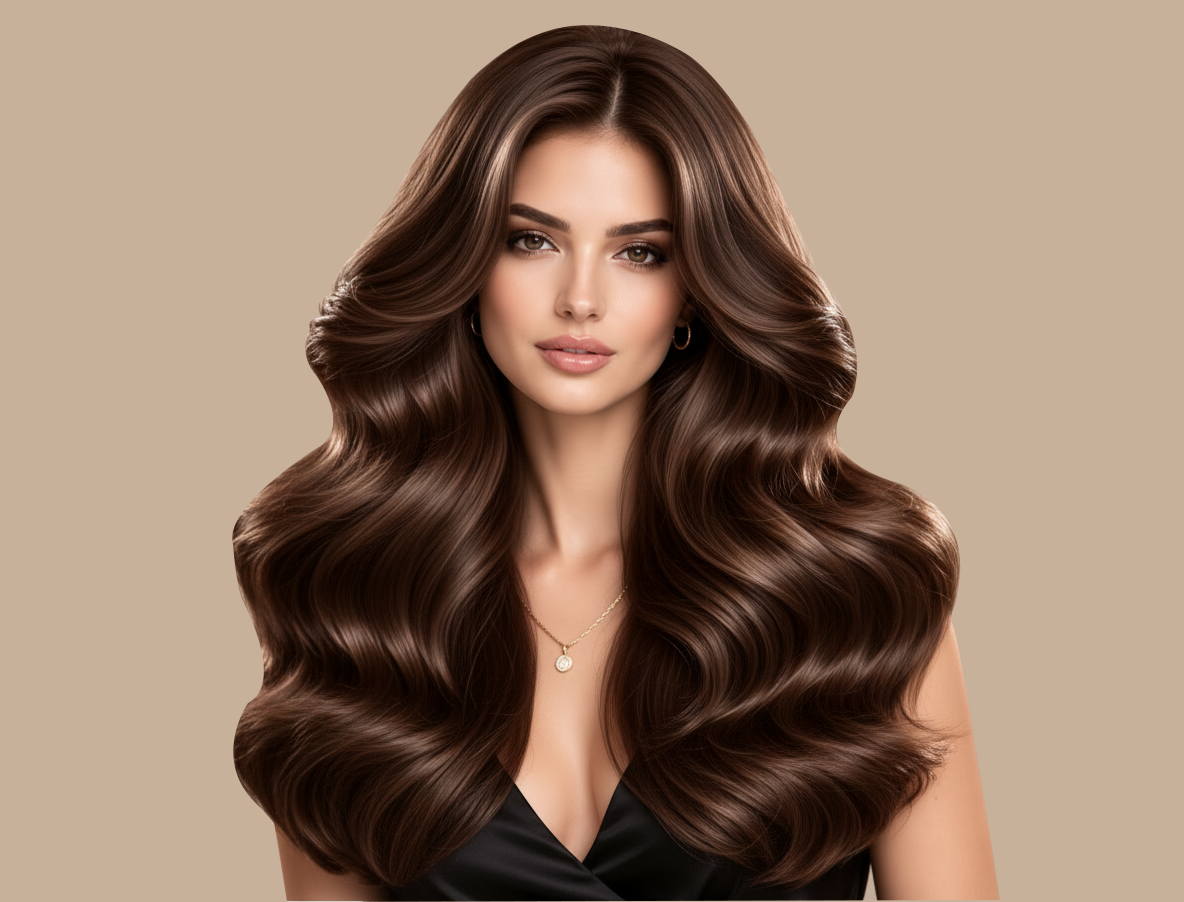
Hair colouring is a great way to refresh your look, cover grey hair or try a new shade. However, coloured hair needs extra care to maintain its shine, softness and vibrancy. Without a proper routine, your hair may become dry, rough, frizzy or lose its colour faster than expected.
Following the right hair care for coloured hair routine can help you maintain your chosen shade while keeping your hair manageable and healthy-looking. Whether you have brown, black, burgundy or another hair color, the right products and daily habits can make a difference.
In this guide, you will learn how to care for coloured hair step by step, which products to choose and how to protect your hair color from fading.
Hair colouring can affect the hair’s outer protective layer, particularly when permanent colour or lightening treatments are used. This may increase dryness, roughness and breakage, making proper aftercare important.
Here are some common concerns with coloured hair:
A consistent hair care routine helps manage these concerns and keeps your colour looking fresh for longer.
The shampoo you use plays an important role in maintaining coloured hair. Frequent washing with a harsh shampoo may contribute to dryness and faster colour fading.
Choose a gentle shampoo formulated for coloured or chemically treated hair. If your hair is dry or damaged, consider a nourishing formula that cleanses without leaving your strands feeling stripped.
You can also browse the hair care range to find products that suit your hair care needs.
Tip: Wash your hair according to your scalp’s needs rather than following a fixed daily schedule. Use lukewarm water instead of very hot water.
Conditioner helps smooth the hair surface, improve manageability and reduce friction while combing. It is particularly useful when colouring leaves your hair feeling dry or tangled.
Apply conditioner mainly to the mid-lengths and ends. Leave it on for the recommended time before rinsing thoroughly.
Choose a conditioner that suits your hair type. Fine hair may need a lightweight formula, while thick, dry or frizzy hair may benefit from a richer conditioning product.
A hair mask can provide additional conditioning when your hair feels rough, dull or difficult to manage after colouring.
Use a suitable nourishing mask once a week or according to the product directions. Focus on the lengths and ends, where dryness and damage are often more noticeable.
A good conditioning routine can help your hair feel softer, smoother and easier to style. Remember that masks improve the feel and appearance of hair but cannot permanently repair every type of chemical damage.
Frequent use of straighteners, curling irons and high-temperature blow dryers can worsen dryness and contribute to colour fading.
Follow these simple precautions:
Reducing unnecessary heat helps protect your hair’s appearance and minimise avoidable damage.
Strong sunlight and environmental exposure can contribute to colour changes and dryness. If you spend long periods outdoors, protect your hair with a hat or scarf.
You can also use a hair product designed to provide UV protection, following its label directions. These precautions are particularly useful for maintaining red, copper, brown and other vibrant shades.
Coloured hair that is dry or damaged may be more prone to breakage. Avoid pulling a comb through knots or brushing aggressively when your hair is wet.
Use a wide-tooth comb and start detangling from the ends, gradually working upward. Gently squeeze excess water out with a soft towel instead of rubbing your hair vigorously.
Small changes in your daily habits can help reduce tangles and unnecessary hair breakage.
Choosing suitable hair care products is essential for maintaining soft, shiny and manageable coloured hair. Look for products that match your scalp condition, hair texture and level of damage.
Choose a shampoo that cleans your scalp without making your hair excessively dry. If your hair is coloured frequently, a colour-protecting shampoo may help maintain its appearance.
A conditioner helps reduce friction, smooth rough strands and make detangling easier. Apply it after shampooing for better manageability.
A nourishing hair mask provides extra conditioning, while a suitable serum can help control frizz and improve the appearance of shine. Explore the available hair care products to find options that suit your routine.
Even with good products, certain habits can affect your hair’s condition and colour longevity.
Avoiding these mistakes can help maintain your shade and keep your hair looking smoother and healthier.
There is no single washing schedule that works for everyone. Your scalp type, lifestyle, hair texture and colouring process all influence how often you should wash your hair.
If you have a dry scalp, you may need less frequent washing. If your scalp becomes oily quickly or you exercise regularly, you may need to wash more often.
Use a gentle shampoo, condition your lengths and avoid unnecessary washing. After colouring, follow the waiting period recommended by your colourist or the product manufacturer before your first shampoo.
Follow these practical tips to maintain your hair colour for longer:
If you colour your hair regularly, explore suitable hair care solutions to build a consistent routine around cleansing, conditioning and styling.
A gentle, colour-safe shampoo is a good choice. Look for a formula suited to your hair type that cleanses without leaving your strands excessively dry.
Wash your hair according to your scalp’s needs, use suitable colour-safe products, limit excessive heat styling and protect your hair from prolonged sun exposure.
You can generally use a suitable hair oil if your scalp and hair tolerate it. However, follow the instructions for your particular colour treatment, especially immediately after colouring, and avoid applying oil if the product instructions advise against it.
Once a week is a reasonable starting point for many people with dry or coloured hair. Adjust the frequency according to your hair’s condition and the product instructions.
Not necessarily to the same degree. The effects depend on the colouring method, chemicals used, processing time and your hair’s existing condition. Lightening and repeated chemical processing can cause more damage than some less intensive colouring methods.
Hair care for coloured hair is about more than preserving your favourite shade. It also means maintaining softness, reducing avoidable damage and keeping your hair manageable. A gentle shampoo, regular conditioning, occasional hair masks and protection from excessive heat can help you achieve these goals.
Build a routine that suits your hair type, follow the correct hair colour aftercare instructions and avoid frequent chemical processing when your hair feels damaged. With consistent care and suitable products, you can enjoy vibrant-looking colour and healthy-looking, shiny hair for longer.
Damaged and weak hair can look dry, rough, dull, and lifeless. You may also notice split ends, frizz, and frequent breakage while combing. Heat styling,...
Dry and rough hair can look dull, feel coarse, and become difficult to manage. Factors such as heat styling, frequent washing, harsh hair products, sun...
Indian hair is exposed to different challenges, including heat, humidity, pollution, hard water and changing weather. These factors can make hair dry, frizzy, dull or...