
Hair Care Routine for Damaged and Weak Hair
Damaged and weak hair can look dry, rough, dull, and lifeless. You may also notice split ends, frizz, and frequent breakage while combing. Heat styling,...


Category:Hair Care
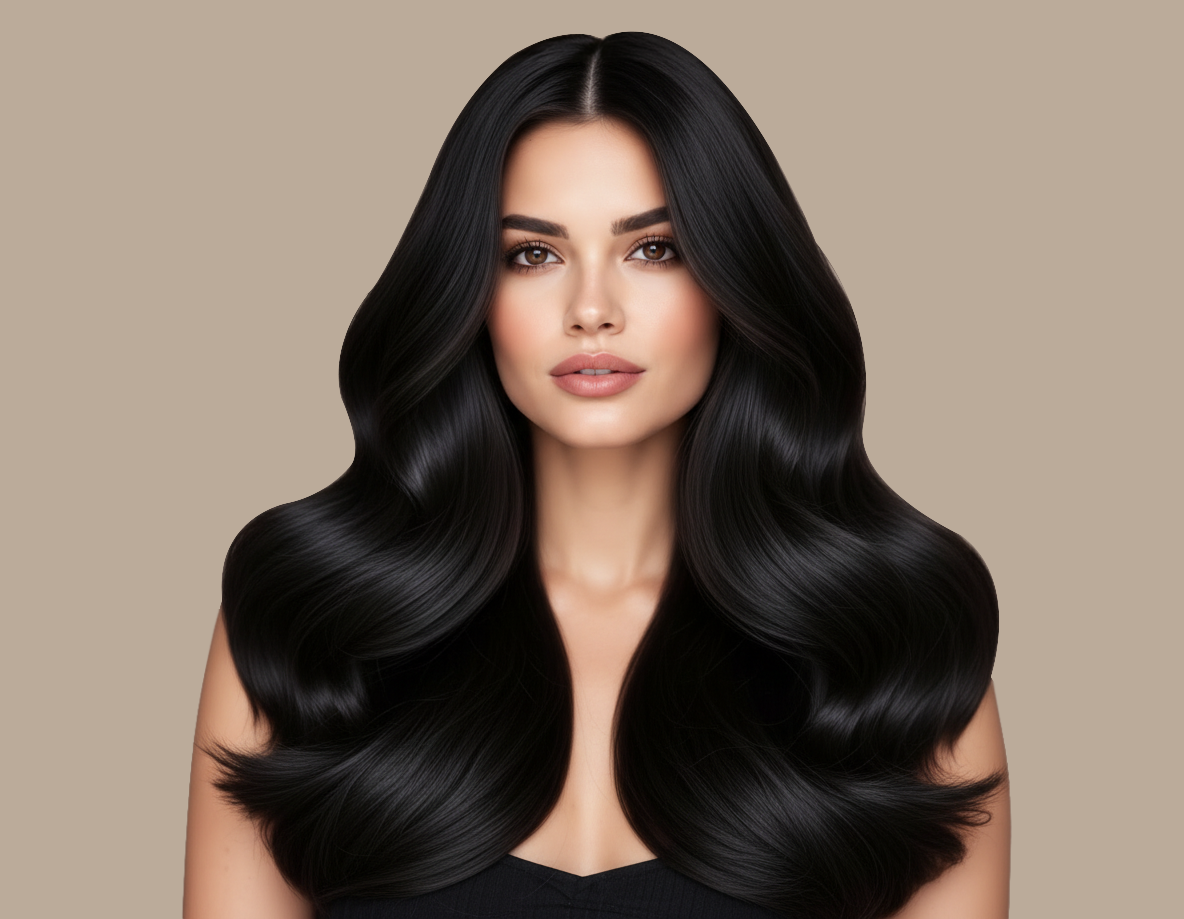
Healthy, shiny and strong hair needs proper care throughout the year. In India, changing weather conditions can affect hair texture, scalp health and moisture levels. Monsoon humidity can make hair frizzy and greasy, summer heat can cause dryness, and winter weather can leave hair rough and difficult to manage.
Following the right hair care tips for healthy hair can help you manage these seasonal challenges. A simple routine with the right shampoo, conditioner, nourishing products and healthy habits can keep your hair looking smooth and manageable. If you colour your hair, seasonal protection is also important to maintain its shine and appearance.
Here is a step-by-step guide to seasonal hair care during monsoon, summer and winter.
Weather changes can affect the scalp and hair in different ways. Humidity may increase frizz and make the scalp feel oily, while exposure to sunlight can contribute to dryness and colour fading. Cold weather and low humidity can also leave the hair and scalp feeling dry.
A suitable hair care routine helps maintain moisture, reduce tangling and protect hair from everyday damage. Choosing products according to your scalp type, hair texture and seasonal needs is more useful than following the same routine throughout the year.
The monsoon season brings high humidity, frequent rain and increased sweating. These conditions can make hair limp, frizzy and difficult to style. A clean scalp and proper drying routine are essential during the rainy season.
Sweat, excess oil and dirt can accumulate on the scalp during humid weather. Wash your hair whenever needed using a suitable shampoo. Concentrate on cleansing the scalp instead of repeatedly rubbing the lengths.
You can choose a suitable product from the hair care range according to your hair’s needs.
If you get caught in the rain, rinse your hair with clean water when possible. Gently remove excess water with a soft towel and dry your scalp properly. Avoid tying your hair tightly while it is wet because wet strands are more vulnerable to breakage.
Humidity can make hair swell and lose its smooth appearance. Apply a suitable conditioner after shampooing to improve softness and manageability. A lightweight serum on the lengths and ends may also help control frizz.
If you have coloured hair, use a suitable colour-care routine to maintain its appearance. Avoid unnecessary heat styling and use a conditioner to help keep the hair smooth. Remember that shampoo choice and washing frequency can influence how quickly some hair colours fade.
Summer brings strong sunlight, sweating, dust and frequent outdoor activities. These factors can leave hair dry, dull and difficult to manage. Extra protection and moisture can help maintain healthy-looking hair.
Cover your hair with a hat or scarf when spending long periods outdoors. Excessive ultraviolet exposure can affect hair fibres and contribute to dryness and colour fading.
If you have coloured hair, protecting it from prolonged direct sunlight can help preserve its appearance for longer.
Sweating can make your scalp feel oily and uncomfortable. Wash your hair according to your activity level and scalp condition. Use a gentle shampoo and rinse thoroughly to remove sweat and product residue.
Avoid using very hot water, as it can leave the hair feeling drier.
Condition your hair after washing, especially if your strands are dry, curly or chemically treated. For additional conditioning, use a hair mask according to the product instructions.
A suitable hair care product collection can help you choose products based on your hair’s cleansing and conditioning needs.
Summer temperatures can already make hair feel dry. Frequent straightening, curling and high-heat blow-drying may add to the damage. Choose air-drying when practical or use a low-heat setting when styling is necessary.
Cold winds and low humidity can reduce hair’s softness and make the scalp feel dry. Hair may also develop more static, tangles and breakage if it lacks moisture.
Choose a shampoo suited to your scalp and follow it with a conditioner that helps soften your hair. If your hair is naturally dry, focus conditioning on the mid-lengths and ends.
Avoid washing more frequently than your scalp requires, but do not skip cleansing when your scalp becomes oily or dirty.
Hot showers may feel comfortable in winter, but very hot water can worsen dryness. Use lukewarm water to wash your hair and rinse out shampoo and conditioner properly.
If your hair feels rough, applying a small amount of suitable hair oil to the lengths before washing may help improve softness and manageability. Avoid using excessive amounts if your scalp is oily or prone to buildup.
Cover your hair with a soft scarf or suitable hat when outdoors. Avoid tight hairstyles that pull on the roots, and detangle gently with a wide-toothed comb to reduce unnecessary breakage.
Hair colour can look less vibrant when hair becomes dry, rough or exposed to frequent washing and styling. Whether you prefer brown, chocolate, mahogany or other shades, maintaining a consistent aftercare routine is important.
Follow these simple hair colour care tips:
If you are planning a colour refresh, compare available hair colour products and select a shade and formula suitable for your hair needs.
Remember that hair colour products do not all work in the same way. Always read the packaging instructions and avoid colouring hair when your scalp is irritated or damaged.
You do not need a complicated routine to maintain healthy-looking hair. Follow these steps and adjust them according to the weather and your hair type.
Step 1: Cleanse your scalp. Use a suitable shampoo to remove sweat, oil and dirt.
Step 2: Condition your hair. Apply conditioner to the lengths and ends to improve softness and manageability.
Step 3: Use additional care when needed. Apply a suitable serum, hair oil or conditioning mask according to your hair’s condition.
Step 4: Protect your hair. Reduce excessive heat styling and protect your hair from prolonged sun exposure, rainwater and cold winds.
Step 5: Maintain healthy habits. Eat a balanced diet with sufficient protein, drink enough water and handle wet hair gently.
Step 6: Review your routine seasonally. Choose lighter products if your scalp becomes oily in humid weather and more conditioning care if your hair feels dry during winter.
Even a good routine may not help if you regularly expose your hair to damaging habits. Avoid these common mistakes:
If you experience persistent scalp irritation or excessive hair loss, consult a dermatologist rather than relying only on cosmetic products.
Cleanse your scalp as needed, condition regularly, limit excessive heat styling, protect your hair from sunlight and handle wet strands gently. Adjust your routine to your scalp type and the weather.
Wash your hair when needed, rinse it with clean water after rain exposure, dry your scalp thoroughly and avoid tying wet hair tightly. Use conditioner to help manage humidity-related frizz.
Cover your hair during prolonged sun exposure, use a suitable conditioner, reduce heat styling and maintain adequate hydration. A conditioning mask may help if your hair is particularly dry.
Use a suitable shampoo, condition after washing, avoid very hot water and protect your hair from cold winds. Apply a small amount of hair oil to dry lengths if needed.
Use suitable colour-care products, condition regularly, limit excessive heat styling and protect your hair from prolonged sunlight. Follow the instructions for your specific colour product and avoid unnecessary frequent colouring.
Healthy hair begins with consistent care and the right seasonal routine. Monsoon calls for scalp cleanliness and frizz control, summer requires protection from sunlight and dryness, and winter needs extra attention to moisture and softness.
By choosing suitable hair care products, maintaining healthy habits and following the right hair care tips for healthy hair, you can keep your hair smooth, manageable and shiny throughout the year. If you colour your hair, consistent aftercare can also help maintain its appearance and keep your overall hair care routine on track.
Damaged and weak hair can look dry, rough, dull, and lifeless. You may also notice split ends, frizz, and frequent breakage while combing. Heat styling,...
Dry and rough hair can look dull, feel coarse, and become difficult to manage. Factors such as heat styling, frequent washing, harsh hair products, sun...
Indian hair is exposed to different challenges, including heat, humidity, pollution, hard water and changing weather. These factors can make hair dry, frizzy, dull or...