
Hair Care Routine for Damaged and Weak Hair
Damaged and weak hair can look dry, rough, dull, and lifeless. You may also notice split ends, frizz, and frequent breakage while combing. Heat styling,...


Category:Hair Care
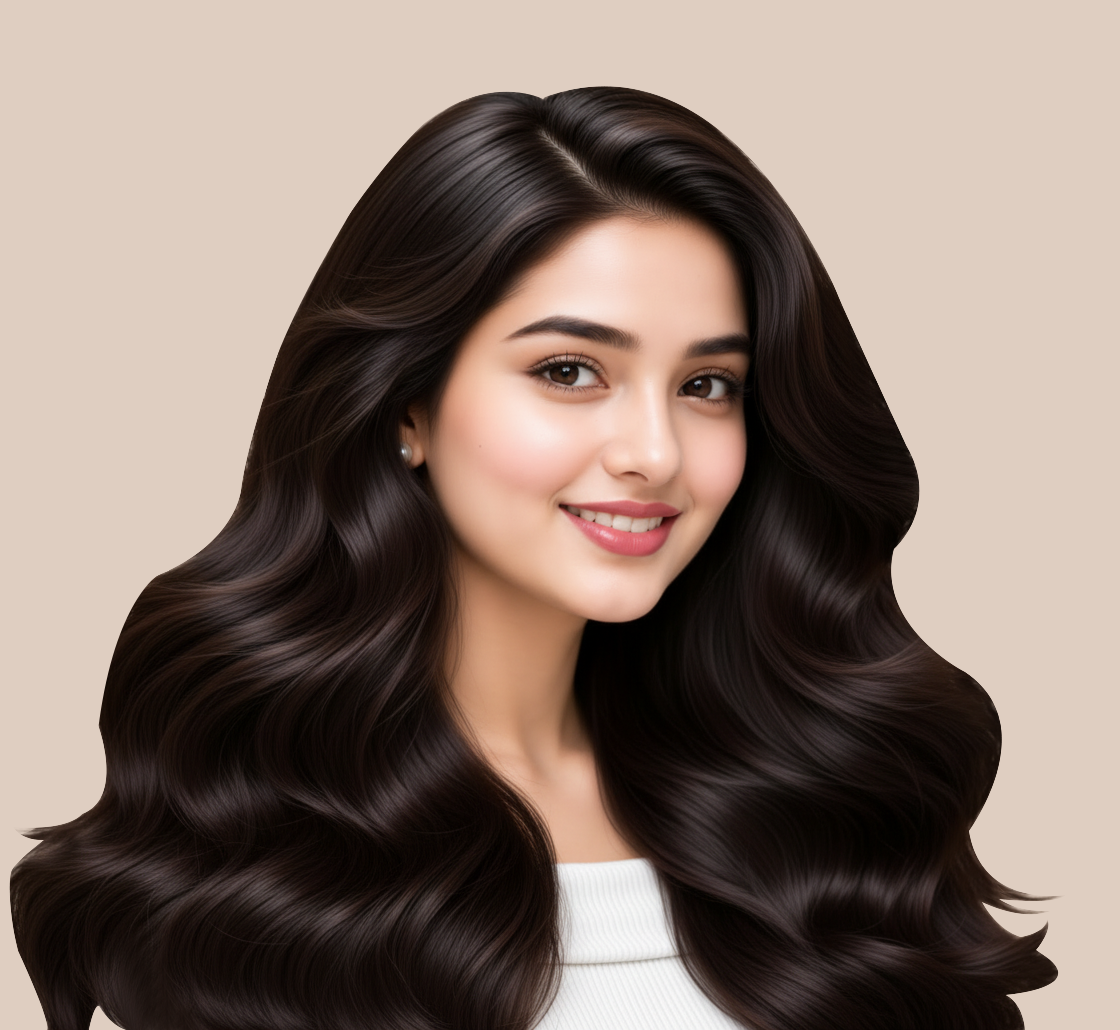
Choosing the right hair care products can make a big difference to the health, softness, shine and overall appearance of your hair. However, the best shampoo, conditioner, serum or hair color is not the same for everyone. Your hair type, scalp condition, hair concerns and styling habits should guide your choices.
Whether you have dry, oily, frizzy, damaged, curly, thin or coloured hair, understanding what your hair needs can help you build a simple and effective routine. If you also use hair color, choosing suitable products becomes even more important for maintaining softness, shine and colour vibrancy.
Using products that do not match your hair type can sometimes leave your hair feeling too dry, greasy, heavy or difficult to manage. For example, dry hair generally needs more moisture, while an oily scalp may need a lighter cleansing routine.
Before buying a product, consider:
The right hair care products should support your specific needs instead of simply following popular trends.
The first step is to understand your hair type. Look at how your hair behaves naturally after washing and drying.
Dry hair may feel rough, dull or difficult to manage. It often benefits from moisturising shampoo, conditioner, hair masks and nourishing serums.
Choose products that focus on hydration, nourishment, softness and shine. Avoid washing excessively if it makes your hair feel drier.
If your scalp becomes oily quickly, choose lightweight cleansing products that help remove excess oil and buildup without making the lengths excessively dry.
A balanced routine is important. Avoid applying heavy oils or rich products directly to an oily scalp unless they suit your individual needs.
Frizzy hair needs better moisture and smoothness. Look for conditioning products and lightweight serums that help improve manageability.
Avoid excessive heat styling because frequent high heat can contribute to dryness and breakage.
Curly and wavy hair can become dry easily, particularly through the lengths and ends. Choose products that provide moisture and help maintain softness without making the hair feel heavy.
Conditioner and a suitable serum can be useful parts of a curly or wavy hair routine.
Fine hair can become weighed down by heavy products. Choose lightweight shampoo, conditioner and serum formulations.
Use smaller amounts of styling products and concentrate richer products mainly on the lengths and ends when needed.
After identifying your hair type, consider your main hair concern.
For dry and damaged hair, look for nourishing and conditioning products. For frizzy hair, choose smoothing and moisturising products. If your hair looks dull, products focused on softness and shine can complement your routine.
If your main concern is grey coverage or changing your appearance, select a hair color according to your natural hair, desired shade and percentage of grey hair.
Nisha Crème Hair Color is available in multiple shades and is formulated with sunflower, avocado and henna extracts. The product information states that it provides 100% grey coverage and helps deliver soft, shiny and vibrant-looking hair.
You can see the available hair color shades before selecting a colour that suits your preferred look.
Hair color should not be selected only by looking at the shade name. Consider your natural hair colour, existing colour, grey coverage requirements and the result you want.
If grey coverage is your priority, look for a hair color specifically designed for grey coverage. A product that provides complete coverage can help create a more even-looking result.
Nisha Natural Henna-Based Hair Color is described as providing 100% grey coverage and contains ingredients such as Amla, Shikakai, Aloe Vera and Hibiscus.
You can consider henna-based hair color if you prefer a henna-based colouring option.
If convenience is important, a shampoo-based hair color can be another option. Nisha Quick Color Shampoo Based Hair Color is designed for grey coverage and quick application, with the product instructions specifying a five-minute application time.
This type of product can be useful when you want a simpler approach to regular root touch-ups.
If you want to refresh your appearance, consider shades such as brown, chocolate, burgundy, mahogany or other colours according to your natural hair and desired result.
Always follow the product instructions and perform the recommended patch test before using hair color.
Shampoo cleanses the scalp and hair, while conditioner helps improve softness and manageability.
For dry hair, choose a more moisturising routine. For oily hair, consider a lighter formula. For coloured hair, avoid unnecessarily frequent washing and focus on gentle cleansing and regular conditioning.
If you colour your hair, remember that hair color maintenance does not stop after application. Conditioning, controlled heat styling and protection from prolonged sun exposure can help maintain the appearance of coloured hair.
A shampoo and conditioner may be enough for a simple routine, but some hair types need additional care.
A hair mask can be useful when the lengths feel particularly dry or rough. A lightweight serum can help improve the appearance of frizz and make the hair easier to manage.
Do not overload your routine with too many products. Start with the basics and add products according to your actual hair needs.
Before purchasing a product, read the label carefully. Look for ingredients and benefits that match your hair concerns.
If you want nourishment, look for conditioning ingredients. If you want colour, consider the shade range, coverage and application method. If your hair is already coloured, select products that fit your colour-maintenance routine.
The goal is not to buy the most expensive product. It is to choose a product that is appropriate for your hair type and hair concern.
Avoid these common mistakes:
A simple routine that matches your hair is usually easier to maintain than a complicated routine with too many products.
Start by identifying your hair and scalp type, then choose products according to your main concern, such as dryness, frizz, oiliness, damage or colour maintenance.
The right hair color depends on your desired shade and amount of grey hair. If complete grey coverage is your priority, choose a product specifically designed for grey coverage.
You should first consider the condition of your hair. Choose a suitable colouring product, follow the instructions carefully and maintain your hair with conditioning and nourishing care.
You do not need to change products frequently if they are working well for your hair. Consider changing them when your hair needs change or when a product no longer gives the desired results.
Coloured hair can benefit from a consistent routine focused on gentle cleansing, conditioning and protection. Avoid unnecessary washing and excessive heat to help maintain the appearance of your colour.
Choosing the right hair care products starts with understanding your own hair. Instead of selecting products simply because they are popular, consider your hair type, scalp condition, texture, damage level and styling habits.
The same approach applies when choosing hair color. Consider your natural shade, grey coverage needs and desired result before selecting a colour. With the right products and a consistent routine, you can maintain softer, shinier, healthier-looking and more manageable hair.
A simple, personalised hair care routine is often the best way to achieve long-term results.
Damaged and weak hair can look dry, rough, dull, and lifeless. You may also notice split ends, frizz, and frequent breakage while combing. Heat styling,...
Dry and rough hair can look dull, feel coarse, and become difficult to manage. Factors such as heat styling, frequent washing, harsh hair products, sun...
Indian hair is exposed to different challenges, including heat, humidity, pollution, hard water and changing weather. These factors can make hair dry, frizzy, dull or...