
Hair Care Routine for Damaged and Weak Hair
Damaged and weak hair can look dry, rough, dull, and lifeless. You may also notice split ends, frizz, and frequent breakage while combing. Heat styling,...


Category:Hair Care
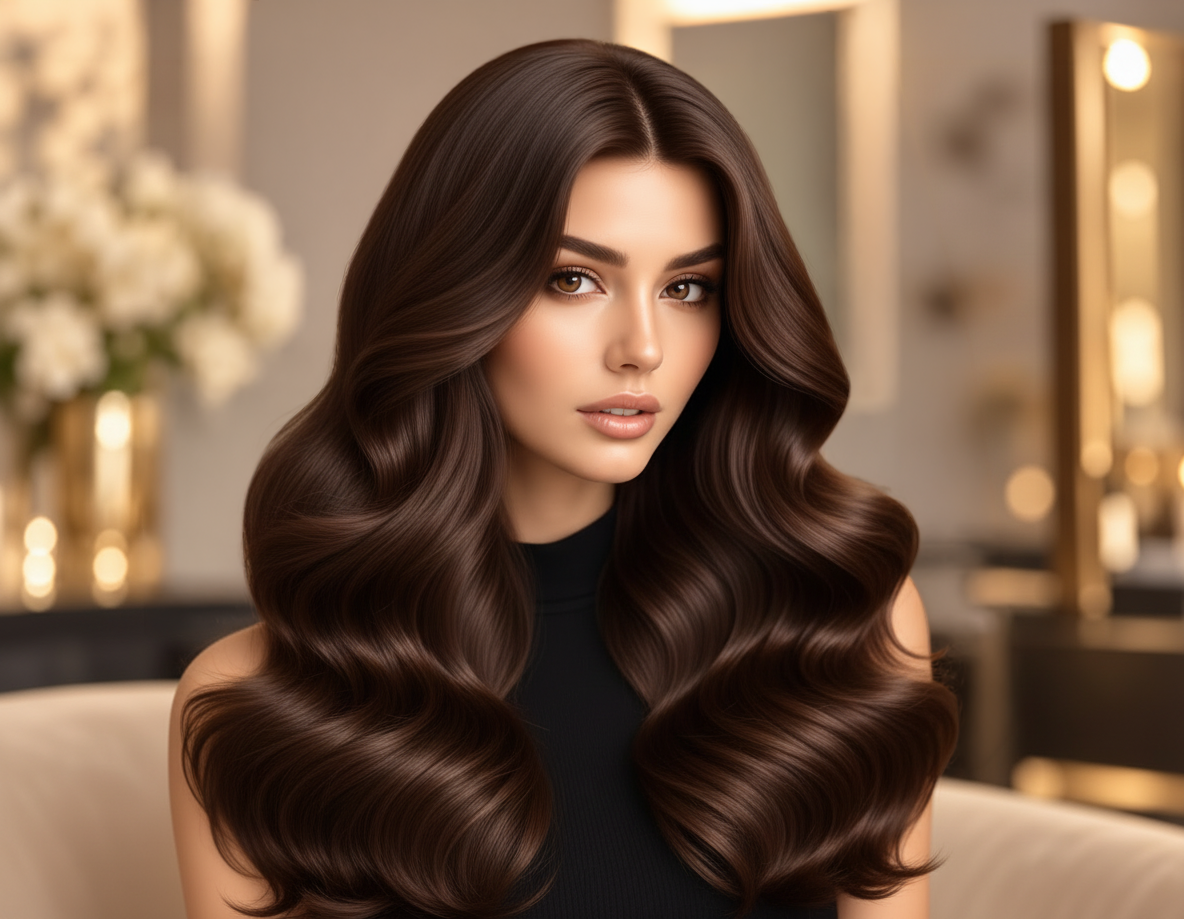
Healthy, shiny and manageable hair needs regular care throughout the day. A simple morning and night hair care routine can help keep your hair clean, nourished, smooth and protected from everyday damage. Whether your hair is dry, oily, frizzy, coloured or naturally healthy, following the right routine can make a noticeable difference.
A good hair care routine does not need to be complicated. The key is choosing suitable products, avoiding common mistakes and giving your hair consistent care. If you also use hair color, maintaining proper hair care becomes even more important to help preserve softness, shine and colour appearance.
Hair is exposed to dust, pollution, sunlight, heat, styling and humidity every day. Without proper care, it can become dry, rough, frizzy and difficult to manage.
A regular routine helps:
For everyday cleansing, choose a shampoo according to your hair and scalp needs. A gentle hair care routine should include cleansing, conditioning and suitable nourishment.
Your morning routine should protect your hair and prepare it for the day ahead.
Before styling your hair, gently remove tangles using a wide-tooth comb or a suitable hairbrush. Start from the ends and gradually move towards the roots.
Avoid pulling or brushing tangled hair aggressively because excessive force can cause unnecessary breakage.
You do not need to shampoo your hair every morning. Wash it according to your scalp type, lifestyle and level of oiliness.
For oily scalps, regular cleansing can help remove excess oil and buildup. Dry or damaged hair may need less frequent washing to prevent excessive dryness.
A suitable shampoo can help keep the scalp clean while supporting softer, more manageable hair.
After shampooing, apply conditioner mainly from the mid-lengths to the ends. Avoid applying too much conditioner directly to the scalp unless the product specifically recommends it.
Leave it on for the recommended time and rinse thoroughly. Conditioning helps improve softness and makes detangling easier.
If your hair tends to become frizzy, rough or difficult to manage, a lightweight serum can be useful after washing.
Apply a small amount to damp or dry hair, concentrating on the lengths and ends. A suitable hair serum can help improve smoothness, shine and manageability without making the hair feel heavy.
If you use a blow dryer, straightener or curling tool, avoid applying excessive heat directly to your hair. Use suitable heat protection and keep the temperature moderate.
Whenever possible, allow your hair to dry naturally before styling.
Night-time is a good opportunity to give your hair extra care after exposure to pollution, sunlight and styling during the day.
Before going to bed, remove tight clips, rubber bands and hairstyles that pull strongly on the roots.
If you tie your hair, choose a loose hairstyle using a soft hair tie. This can help reduce unnecessary tension while sleeping.
Use a wide-tooth comb to gently remove knots before bedtime. Do not force the comb through tangled sections.
Start at the ends and work upwards slowly.
If your hair feels dry, apply a small amount of a suitable nourishing product or serum to the lengths and ends.
Avoid using too much product because heavy buildup can make the hair look greasy and flat.
If you regularly use hair color, your night routine should focus on maintaining softness and shine.
Avoid excessive washing, harsh styling and unnecessary heat. Choose products designed for coloured or treated hair when required.
For those looking for hair color options, the range of crème, henna-based, shampoo-based and other colour formulations available online provides different choices for grey coverage and personal colour preferences.
Sleeping with very tight hairstyles can put unnecessary stress on the hair. A loose braid or relaxed hairstyle can be more comfortable and reduce tangling.
| Morning Hair Care | Night Hair Care |
| Gently comb hair | Remove tight accessories |
| Shampoo when needed | Detangle gently |
| Condition lengths | Nourish dry ends |
| Apply serum | Protect coloured hair |
| Protect from heat | Use a loose hairstyle |
Following both routines consistently is more useful than using many products occasionally.
Dry hair may need more moisture, while oily hair usually benefits from lightweight products. Curly and frizzy hair may require additional conditioning and nourishment.
Understanding your hair type helps you build a routine that is easier to follow.
Frequent use of straighteners, curling irons and high-heat dryers can make hair dry and brittle. Reduce heat styling whenever possible.
Washing your hair too frequently may remove natural oils and leave some hair types feeling dry. Find a washing schedule that works for your scalp and lifestyle.
Long exposure to sunlight, dust and pollution can affect the appearance and feel of your hair. Covering your hair when outdoors for extended periods can provide additional protection.
Hair care is not only about external products. A balanced diet containing adequate protein, vitamins, minerals and healthy fats supports overall hair health.
People who regularly colour their hair should pay extra attention to after-colour care. Choose a suitable shampoo and conditioner, avoid unnecessary heat and do not wash the hair excessively.
If you need grey coverage, selecting the right hair color according to your natural hair colour and desired result is important. Options such as Nisha Crème Hair Color and henna-based colours can provide different approaches to colouring and grey coverage.
Always follow the product instructions and perform the recommended allergy or patch test before using a hair-colouring product.
Wet hair can be more vulnerable to breakage. Handle it gently and use a suitable comb.
More product does not always mean better results. Start with a small amount and add more only when necessary.
For most routines, conditioner is better suited to the lengths and ends unless the product instructions state otherwise.
Frequent high-temperature styling can leave hair dry and damaged.
Healthy-looking hair starts with proper scalp care. Keep the scalp clean and choose products according to its needs.
A simple morning and night routine can be followed regularly. Shampooing frequency should depend on your scalp type, hair condition and lifestyle.
A lightweight serum can be used regularly when suitable for your hair. Apply a small amount mainly to the lengths and ends to avoid heaviness.
Use suitable products for coloured hair, avoid excessive washing and reduce unnecessary heat styling. Regular conditioning can also help maintain softness and manageability.
Yes. Coloured hair can benefit from gentle cleansing, conditioning, reduced heat exposure and regular nourishment to maintain a healthy-looking appearance.
A basic routine includes gentle cleansing, conditioning, careful detangling, suitable nourishment, limited heat styling and regular scalp care. Consistency is more important than using too many products.
A healthy-looking hair routine does not need to be complicated. Start with gentle cleansing, proper conditioning, regular nourishment and careful styling in the morning. At night, detangle your hair, avoid tight hairstyles and give dry or coloured hair extra attention.
Whether your main concern is dryness, frizz, damage or maintaining hair color, a consistent hair care routine can help your hair look smoother, softer and healthier. Choose products according to your hair type and follow simple habits every day for better long-term results.
Damaged and weak hair can look dry, rough, dull, and lifeless. You may also notice split ends, frizz, and frequent breakage while combing. Heat styling,...
Dry and rough hair can look dull, feel coarse, and become difficult to manage. Factors such as heat styling, frequent washing, harsh hair products, sun...
Indian hair is exposed to different challenges, including heat, humidity, pollution, hard water and changing weather. These factors can make hair dry, frizzy, dull or...