
Hair Care Routine for Damaged and Weak Hair
Damaged and weak hair can look dry, rough, dull, and lifeless. You may also notice split ends, frizz, and frequent breakage while combing. Heat styling,...


Category:Skin Care
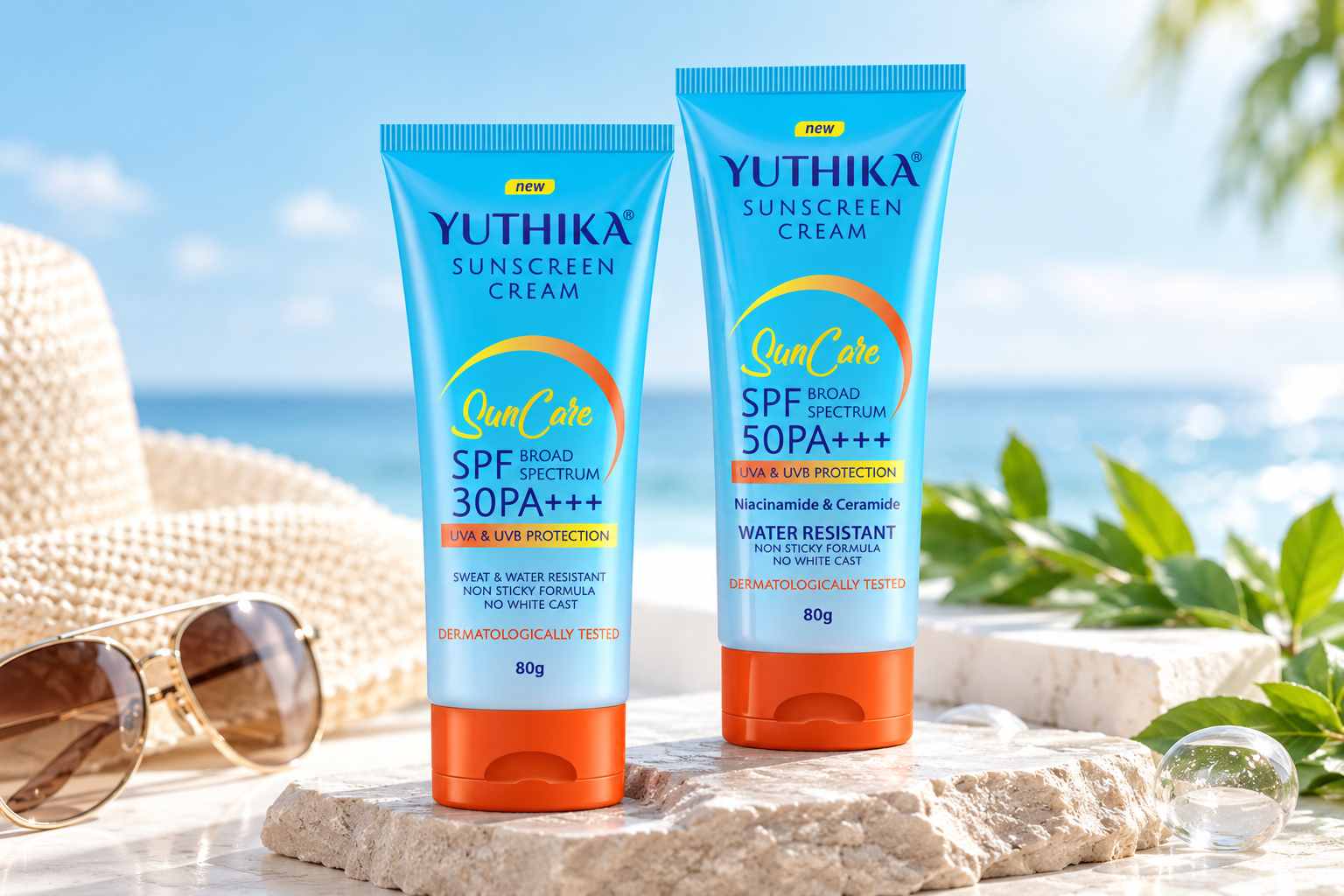
SPF 30 vs SPF 50—which sunscreen should you choose? Both can provide effective sun protection when applied correctly. SPF 30 filters about 97% of UVB rays, while SPF 50 provides somewhat greater UVB protection. For everyday use, SPF 30 or higher is generally recommended, while SPF 50 can be a useful choice when you want a higher level of sunburn protection, particularly during significant outdoor sun exposure.
However, SPF number is only part of choosing a sunscreen. You should also consider broad-spectrum UVA/UVB protection, application amount, reapplication, water resistance when needed, and how consistently you will use the product.
What Is the Difference Between SPF 30 and SPF 50?
The main difference between SPF 30 vs SPF 50 is the level of protection against sunburn, which is primarily associated with UVB radiation.
SPF stands for Sun Protection Factor.
According to the American Academy of Dermatology, SPF 30 filters approximately 97% of the sun’s UVB rays. Higher SPF values provide somewhat more UVB protection, but no sunscreen can filter 100% of UVB radiation.
This means SPF 50 offers higher protection than SPF 30, but it does not mean SPF 50 provides almost twice the protection.
The difference is incremental, not proportional to the SPF numbers.
SPF 30 vs SPF 50: Quick Comparison
| Feature | SPF 30 | SPF 50 |
| UVB protection | High | Higher |
| Approx. UVB filtered | About 97% | Slightly more than SPF 30 |
| Daily use | Suitable | Suitable |
| Outdoor use | Suitable when used correctly | Useful when higher protection is preferred |
| Broad-spectrum protection | Check product label | Check product label |
| Reapplication required | Yes | Yes |
| Lasts twice as long? | No | No |
| Best choice depends on | Exposure, skin, activity and product | Exposure, skin, activity and product |
The most important point is that higher SPF does not eliminate the need for proper application or reapplication.
Is SPF 50 Better Than SPF 30?
SPF 50 provides a higher level of UVB-related sunburn protection than SPF 30.
But “higher SPF” does not automatically mean “better for everyone in every situation.”
A sunscreen is useful only when you apply it correctly and consistently.
For example, someone who applies an SPF 30 broad-spectrum sunscreen generously and reapplies it appropriately may have a better sun-protection routine than someone who applies too little SPF 50 and assumes it will last all day.
So when comparing SPF 30 and SPF 50, consider both the SPF rating and how the sunscreen will actually be used.
Does SPF 50 Provide Twice the Protection of SPF 30?
No.
This is one of the most common sunscreen misconceptions.
SPF numbers should not be interpreted as a simple percentage scale.
SPF 50 does not provide nearly twice the protection of SPF 30 simply because 50 is much larger than 30.
The American Academy of Dermatology states that SPF 30 filters approximately 97% of UVB rays, while higher SPF values filter somewhat more.
Therefore, the difference between SPF 30 and SPF 50 is real, but it is much smaller than the numbers 30 and 50 might suggest.
What Does SPF Actually Mean?
SPF stands for Sun Protection Factor.
It indicates the relative level of sunburn protection provided by a sunscreen when tested according to the relevant method.
SPF primarily relates to protection against UVB radiation, which plays a major role in sunburn.
It does not simply tell you how many hours you can safely stay in the sun.
For example, SPF 30 does not mean that you can remain outdoors 30 times longer without worrying about sun exposure.
Sun intensity changes according to factors such as:
Application amount, sweating, swimming and rubbing the skin can also influence real-world sunscreen performance.
What Is the Difference Between UVA and UVB?
Sunlight contains different forms of ultraviolet radiation, including UVA and UVB.
UVA
UVA penetrates more deeply into the skin and contributes to premature skin aging and other forms of UV-related skin damage.
UVB
UVB is strongly associated with sunburn and also contributes to skin damage.
This is why broad-spectrum protection matters.
A broad-spectrum sunscreen is designed to protect against both UVA and UVB radiation.
When choosing between SPF 30 and SPF 50, don’t look only at the SPF number. Check whether the sunscreen also provides broad-spectrum UVA and UVB protection.
What Does PA+++ or PA++++ Mean?
You may see a PA rating alongside the SPF number on sunscreen products.
The PA system indicates the product’s level of UVA protection, with additional “+” signs representing higher levels within that rating system.
For example, Yuthika SunCare Sunscreen Cream SPF 30 is listed as SPF 30 with PA+++, while Yuthika SunCare Sunscreen Cream SPF 50 is listed as SPF 50 with PA++++.
This makes the comparison more useful than looking at SPF alone because it provides additional information about UVA protection.
Is SPF 30 Enough for Daily Use?
SPF 30 can be an appropriate everyday sunscreen level when used correctly.
The American Academy of Dermatology recommends choosing sunscreen with SPF 30 or higher, along with broad-spectrum protection and water resistance when relevant.
SPF 30 can therefore be considered for:
However, the appropriate sunscreen also depends on the intensity and duration of sun exposure.
When Should You Consider SPF 50?
SPF 50 can be considered when you want a higher level of sunburn protection.
It may be particularly relevant for:
You still need to apply SPF 50 correctly and reapply it when required.
Higher SPF does not make sunscreen an all-day, one-application product.
SPF 30 vs SPF 50 for Indian Weather: Which Is Better?
India has substantial variation in UV exposure according to season, location, altitude, time of day and weather conditions.
Therefore, there is no single SPF that is automatically best for every person in India.
For normal everyday use, a broad-spectrum SPF 30 or higher can be considered.
For prolonged or intense outdoor exposure, SPF 50 can provide a higher level of sunburn protection.
The more important considerations are:
Don’t choose sunscreen based only on the climate being “hot.” UV exposure and temperature are not the same thing.
SPF 30 vs SPF 50 for Face: Which Should You Choose?
Both SPF 30 and SPF 50 can be used on the face when the product is intended for facial use.
For everyday routines, SPF 30 or higher can provide an appropriate starting point.
SPF 50 may be preferred if you:
Comfort matters too.
A sunscreen you are willing to apply generously and consistently is more useful than one you dislike wearing and therefore underapply or skip.
SPF 30 vs SPF 50 for Body: Is There a Difference?
The same SPF principles apply to exposed skin on the body.
Areas commonly forgotten include:
If you are spending prolonged periods outdoors with substantial skin exposed, SPF 50 may be useful when you want a higher level of protection.
Sunscreen should also be combined with shade, protective clothing, hats and sunglasses when appropriate.
Does SPF 50 Last Longer Than SPF 30?
No.
SPF 50 does not automatically last longer than SPF 30.
A higher SPF rating indicates greater sunburn protection under standardized testing conditions; it does not mean you can wait proportionally longer before reapplying.
The FDA advises reapplying sunscreen at least every two hours when outdoors and more often after swimming or sweating.
Always follow the directions on the individual sunscreen.
Do You Need Sunscreen on Cloudy Days?
Yes. UV radiation can still reach your skin when the weather is cloudy.
Sunscreen should therefore not be considered something that is needed only on bright, hot summer days.
A consistent daytime sun-protection routine can be more useful than deciding whether to wear sunscreen based only on how sunny the weather looks.
Should You Wear Sunscreen Indoors?
Indoor sunscreen needs depend on your environment and exposure.
For example, someone sitting near windows with substantial daylight exposure may have different needs from someone spending the day away from windows.
Yuthika describes its SPF 30 sunscreen cream as suitable for daily use indoors and outdoors.
For practical everyday skincare, consider your actual exposure rather than relying on a single rule for every indoor situation.
How Much Sunscreen Should You Apply?
Applying enough sunscreen is essential for obtaining the protection indicated on the label.
The FDA advises using enough sunscreen to cover exposed skin thoroughly. For an average adult covering the exposed face and body, it notes that roughly one ounce may be needed for full-body coverage.
Underapplying sunscreen reduces the protection you actually receive.
This means correct application can be just as important as deciding between SPF 30 and SPF 50.
When Should You Apply Sunscreen?
The FDA recommends applying sunscreen approximately 15 minutes before sun exposure.
This allows the sunscreen to be in place before you go outdoors.
Apply it to all exposed areas rather than only the face.
Frequently missed areas include:
How Often Should You Reapply SPF 30 or SPF 50?
As a general guideline, sunscreen should be reapplied at least every two hours when outdoors and more often when swimming or sweating.
The same principle applies to both SPF 30 and SPF 50.
Do not assume that choosing SPF 50 eliminates the need to reapply.
If a sunscreen makes a water-resistance claim, check the label for the specific duration and reapplication directions.
Yuthika SunCare SPF 30 vs SPF 50: What’s the Difference?
Yuthika Natural currently offers SunCare Sunscreen Cream in both SPF 30 and SPF 50 options.
Yuthika SunCare Sunscreen Cream SPF 30
Yuthika SunCare SPF 30 provides SPF 30 with PA+++ protection.
According to Yuthika Natural, the formulation offers broad-spectrum UVA and UVB protection and has a lightweight, non-greasy texture designed to absorb quickly.
It is enriched with:
The product is also positioned as providing moisturization alongside sun protection and is suitable for daily use.
Yuthika SunCare Sunscreen Cream SPF 50
Yuthika SunCare SPF 50 provides SPF 50 with PA++++ protection.
It is also formulated with plum and grapefruit oils and uses a non-greasy, quick-absorbing cream format.
Yuthika positions the SPF 50 option for higher protection, including more significant outdoor sun exposure.
Yuthika SPF 30 vs Yuthika SPF 50: Quick Comparison
| Feature | Yuthika SPF 30 | Yuthika SPF 50 |
| SPF | SPF 30 | SPF 50 |
| PA Rating | PA+++ | PA++++ |
| UVA/UVB protection | Yes | Yes |
| Texture | Lightweight, non-greasy | Non-greasy, quick absorbing |
| Plum oil | Yes | Yes |
| Grapefruit oil | Yes | Yes |
| Daily-use option | Yes | Yes |
| Higher protection option | — | Yes |
| Pack sizes listed | Multiple sizes | Multiple sizes |
Both products combine sunscreen protection with a moisturizing cream format.
How Do You Choose Between Yuthika SPF 30 and SPF 50?
A simple approach is to consider your expected sun exposure.
Consider Yuthika SPF 30 If:
Consider Yuthika SPF 50 If:
In either case, sunscreen effectiveness still depends heavily on proper application and reapplication.
Is SPF 50 Better for Sensitive Skin?
SPF number alone does not determine whether a sunscreen is appropriate for sensitive skin.
SPF tells you about sunburn protection, not whether a particular formulation will agree with your skin.
People with sensitive skin should consider the complete formulation and their individual sensitivities.
If you have a known skin condition, allergy or history of reactions to sunscreen, personalized advice from a dermatologist may be appropriate.
Does Higher SPF Prevent Tanning Completely?
No sunscreen can guarantee that tanning will never occur.
Higher SPF provides greater protection against UVB-related sunburn, but sunscreen performance depends on application and exposure.
For broader sun protection:
Sunscreen should be considered one part of a complete sun-protection routine.
Can You Use SPF 30 Every Day?
Yes. SPF 30 is within the level recommended by dermatologists for routine sun protection when combined with broad-spectrum protection and appropriate use.
Daily consistency is important.
If SPF 30 feels comfortable on your skin and you apply it properly, it can be a practical everyday option.
Can You Use SPF 50 Every Day?
Yes. SPF 50 can also be used daily.
There is no requirement to reserve SPF 50 only for beaches or vacations.
Some people prefer SPF 50 for their everyday routine because they want the higher protection level.
The choice between SPF 30 and SPF 50 can therefore be based partly on your exposure, skin preferences and daily routine.
What Are the Most Common Sunscreen Mistakes?
Using Too Little
The protection stated on the label assumes appropriate application.
Applying Only Once
SPF 50 doesn’t mean you can skip reapplication.
Applying Sunscreen Only on Sunny Days
UV exposure can still occur when it is cloudy.
Forgetting Exposed Areas
Ears, neck, hands, feet and the hairline are commonly missed.
Thinking SPF 50 Is Twice as Protective as SPF 30
SPF values don’t work as a simple percentage comparison.
Looking Only at SPF
Broad-spectrum UVA/UVB protection matters too.
Relying Only on Sunscreen
Shade, clothing, hats and sunglasses can provide additional sun protection.
SPF 30 vs SPF 50: Quick Decision Guide
Choose SPF 30 if: you want a strong everyday level of sun protection and a broad-spectrum SPF 30 product suits your routine.
Choose SPF 50 if: you want higher UVB protection or expect greater outdoor sun exposure.
For everyday use: SPF 30 or higher is generally recommended.
For longer outdoor exposure: consider SPF 50 alongside other protective measures.
If you burn easily: a higher SPF may provide a useful additional margin of protection.
If you’re swimming or sweating: look for appropriate water resistance and follow the product’s reapplication instructions.
Whatever SPF you choose: apply enough and reapply when required.
Frequently Asked Questions About SPF 30 vs SPF 50
What is the main difference between SPF 30 and SPF 50?
SPF 50 provides a higher level of UVB-related sunburn protection than SPF 30. SPF 30 filters about 97% of UVB rays, while higher SPF levels filter somewhat more. Both need to be applied correctly and reapplied.
Is SPF 30 enough for everyday use?
SPF 30 can be suitable for everyday sun protection. The American Academy of Dermatology recommends choosing SPF 30 or higher, broad-spectrum protection and water resistance when appropriate.
Is SPF 50 better than SPF 30?
SPF 50 provides greater UVB protection than SPF 30, but it is not twice as protective. Your exposure, application amount and reapplication habits also matter.
Does SPF 50 last longer than SPF 30?
No. A higher SPF does not mean the sunscreen lasts proportionally longer. Both need appropriate reapplication.
Is SPF 50 necessary every day?
Not necessarily for everyone, but SPF 50 can be used daily. SPF 30 or higher is generally recommended, while SPF 50 provides a higher level of sunburn protection.
Is SPF 30 good for Indian skin?
SPF choice should not be based solely on nationality or skin tone. SPF 30 or higher, broad-spectrum protection, correct application and reapplication are more useful considerations.
Is SPF 50 good for Indian skin?
Yes, SPF 50 can be used across skin tones. It may be particularly useful when higher protection is preferred or significant outdoor exposure is expected.
Which is better for the face: SPF 30 or SPF 50?
Both can be appropriate for facial use when the product is intended for the face. SPF 30 or higher is generally recommended, while SPF 50 provides higher UVB protection.
What does PA+++ mean?
PA ratings indicate UVA protection. More “+” symbols generally indicate a higher level within the PA rating system. Yuthika SunCare SPF 30 is listed as PA+++, while its SPF 50 version is listed as PA++++.
Can I use SPF 50 instead of SPF 30?
Yes. If you prefer higher protection, SPF 50 can be used instead of SPF 30. You still need to apply it correctly and reapply as directed.
Should I reapply SPF 50?
Yes. Higher SPF does not eliminate the need for reapplication. When outdoors, general guidance recommends reapplying sunscreen at least every two hours and more frequently after swimming or sweating.
Which Yuthika sunscreen should I choose: SPF 30 or SPF 50?
Yuthika SPF 30 with PA+++ can be considered as an everyday sunscreen option, while Yuthika SPF 50 with PA++++ provides a higher level of protection and may be preferred for greater outdoor exposure. Both are described as non-greasy sunscreen creams enriched with plum and grapefruit oils.
Conclusion: Should You Choose SPF 30 or SPF 50?
When comparing SPF 30 vs SPF 50, both can be effective sunscreen choices when applied correctly.
SPF 30 provides a strong level of UVB protection and meets the SPF level generally recommended by dermatologists for everyday sun protection.
SPF 50 provides higher UVB protection and can be useful when you expect more significant sun exposure or simply prefer a higher level of protection.
Yuthika SunCare provides both options: SPF 30 with PA+++ and SPF 50 with PA++++. Both are described as providing broad-spectrum UVA/UVB protection in lightweight, non-greasy cream formulations enriched with plum and grapefruit oils.
The most important takeaway is that SPF number alone does not determine how well you are protected.
Choose a suitable broad-spectrum sunscreen, apply enough to exposed skin and reapply appropriately. For additional protection, combine sunscreen with shade, protective clothing, a hat and sunglasses when needed.
So, SPF 30 or SPF 50? Choose SPF 30 or higher for routine sun protection, and consider SPF 50 when you want the additional protection offered by a higher SPF especially during greater outdoor exposure.
Damaged and weak hair can look dry, rough, dull, and lifeless. You may also notice split ends, frizz, and frequent breakage while combing. Heat styling,...
Dry and rough hair can look dull, feel coarse, and become difficult to manage. Factors such as heat styling, frequent washing, harsh hair products, sun...

Indian hair is exposed to different challenges, including heat, humidity, pollution, hard water and changing weather. These factors can make hair dry, frizzy, dull or...